Overview
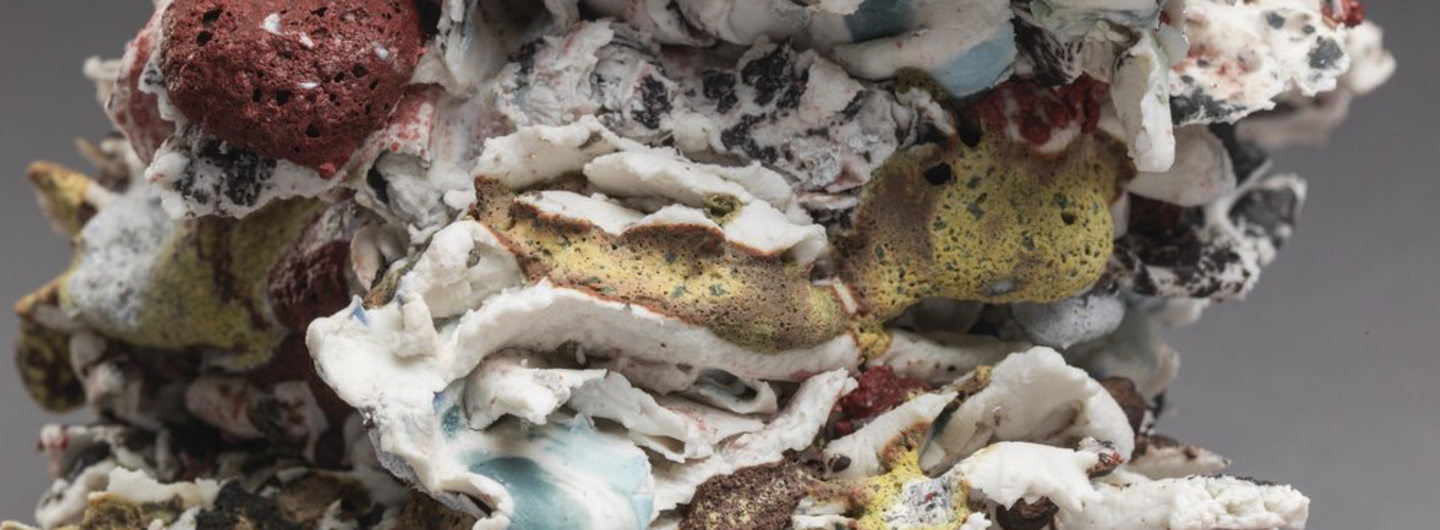
The transformative power of materials
Key details
MA
- 180 credits
- 1 year / 45 week programme
- Full-time study
School or Centre
Current location
- Battersea
Next open event
- 1 Oct 2026
- Online Open Day
Next application deadline
- Applications closed, please check back soon
Advance your creativity and critical thinking by fusing art, design and making
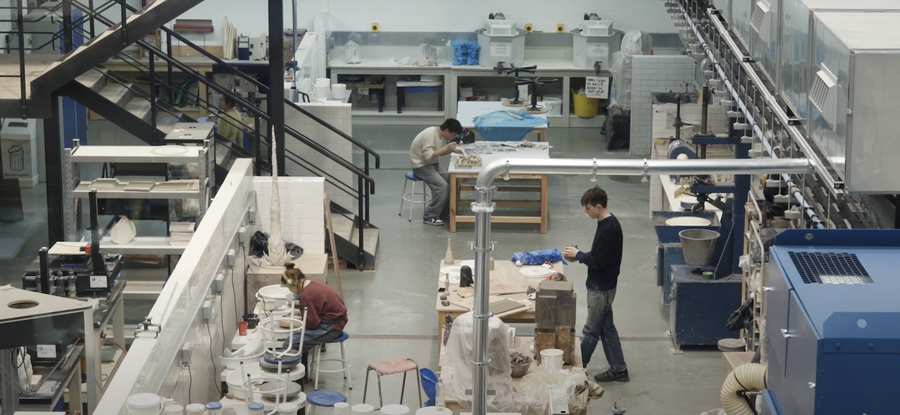
- Develop your creative ceramic and glass practice within the material- and research-led processes of applied art.
- Learn from a teaching team integrating cutting-edge research and pedagogical innovation.
- Advance your creativity and critical thinking with a wide range of insights from arts and design practitioners, theorists and historians.
Focusing on materialities and working through the transformative power of materials, we can gain a unique understanding of the world. Our daily lives are increasingly shaped by images. Yet every image is situated within complex material realities. We encourage students to explore these complexities through traditional craft techniques and cutting-edge technological innovations.
Since its inception, this RCA Ceramics & Glass programme has driven a global perspective on material-based pedagogy and a fusion of art, design and skilled making. Your learning will be self-directed and self-reflective, critical in nature and thoroughly contextualised in disciplinary and interdisciplinary knowledge.
Space to grow creatively
During your RCA ceramics and glass studies, we offer a creative interface where your individual interests meet broader world views. Planning and producing innovative work are central to the programme to help you develop your own unique voice and distinct methodology.
Our community of artists and designers enriches the world in imaginative and meaningful ways. You’ll benefit from the RCA’s reputation and network in the ceramics sector. Our alumni follow a range of career paths, including fine art, applied arts, craft, and design.
Explore further and register your interest
Catch the replays from our latest online Open Day.
Watch portfolio advice from the programme team.
Applications for the September 2026 intake are now closed. To stay updated on application dates and updates for 2027 entry, please complete the Register your Interest form.
Student and alumni stories
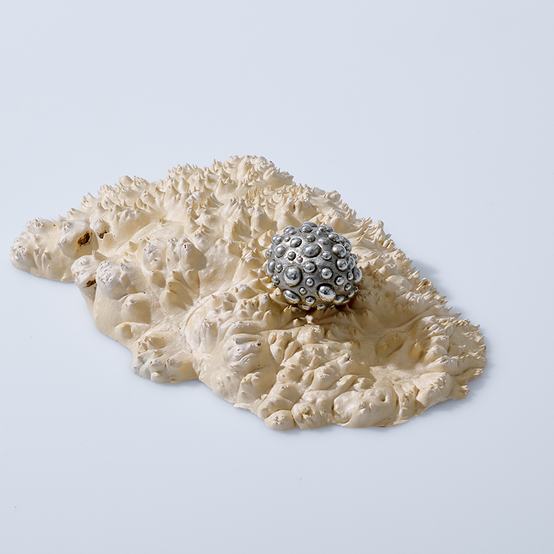
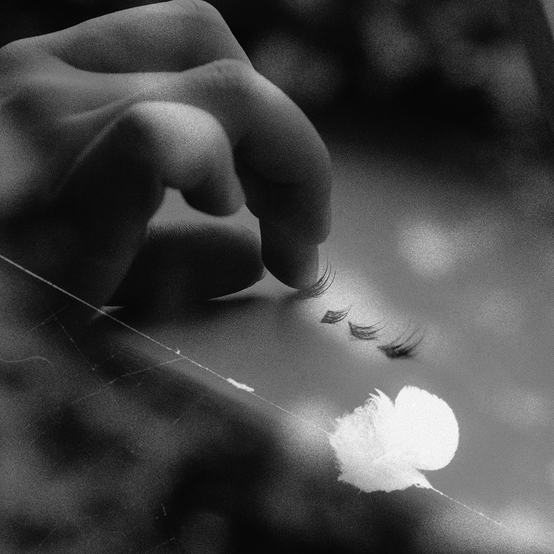
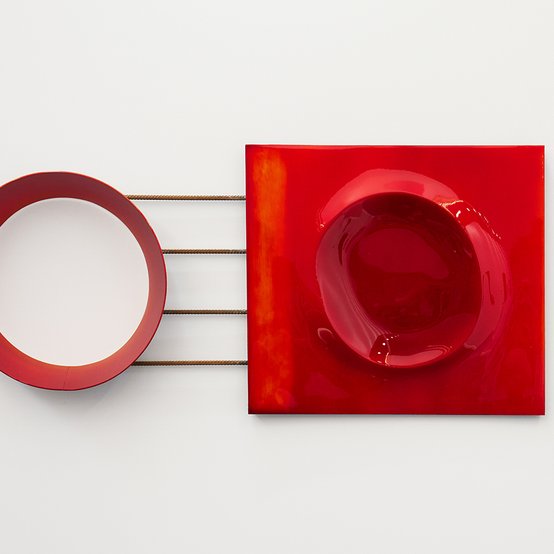
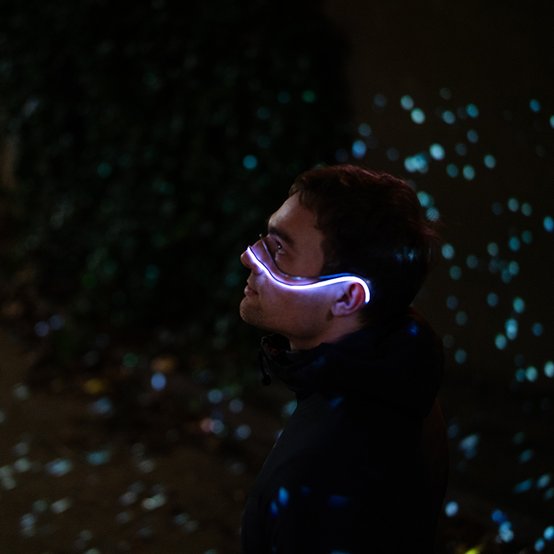
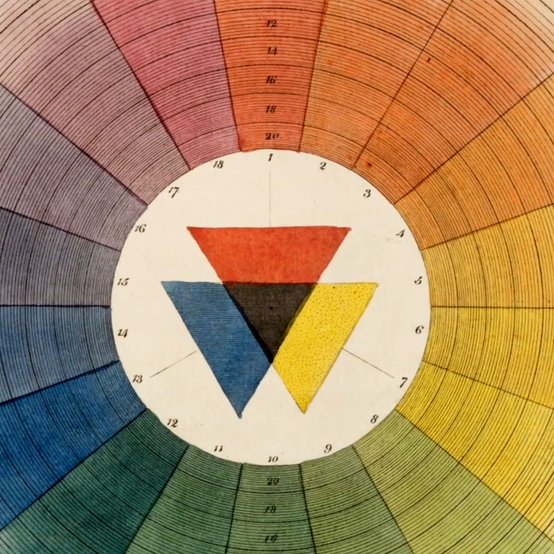
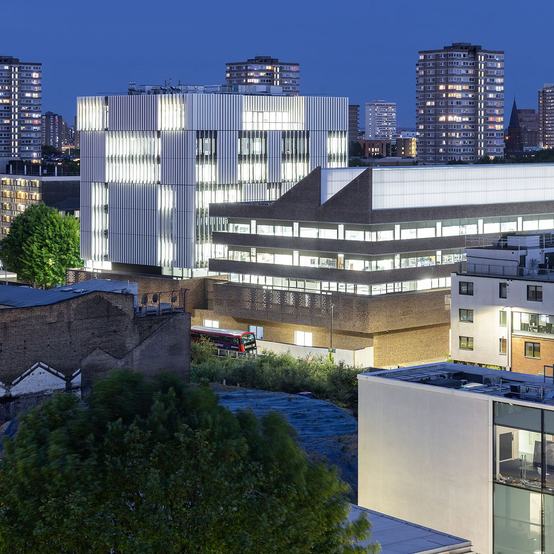
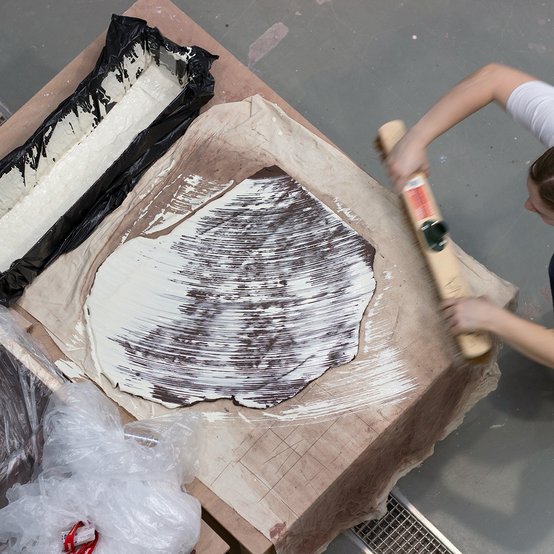
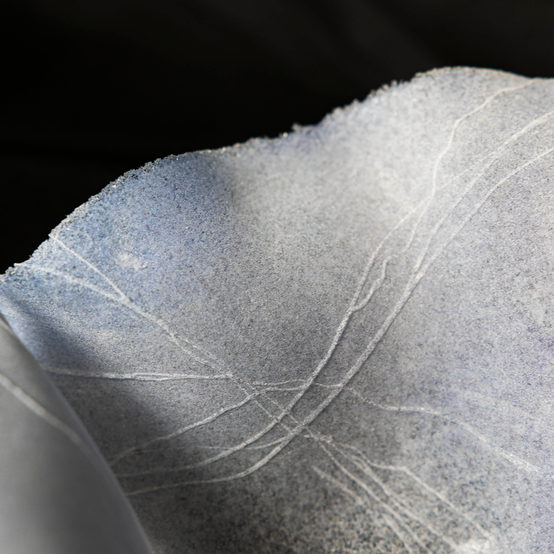
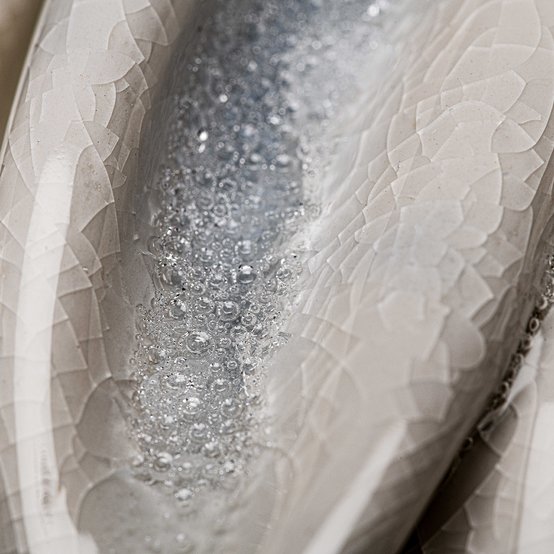

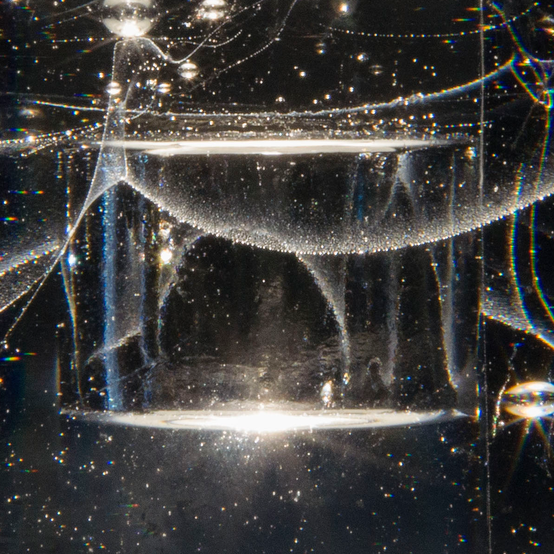
Gallery
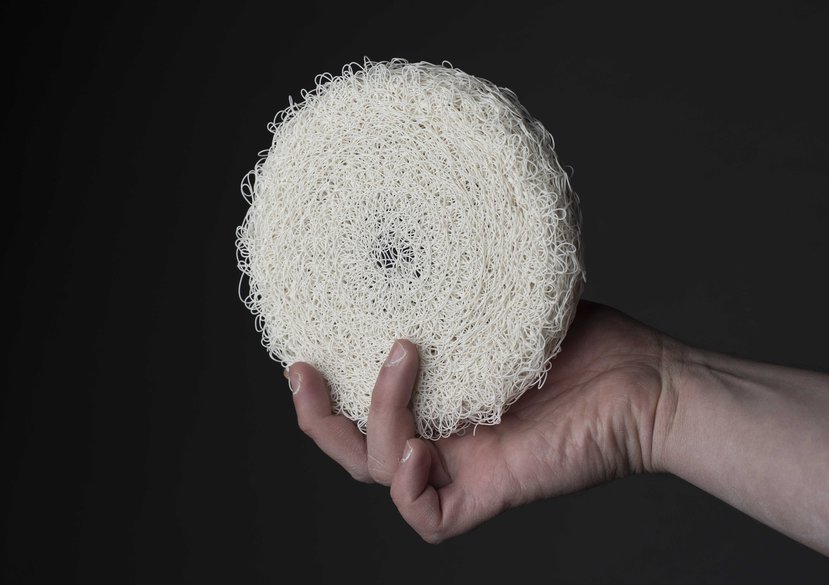
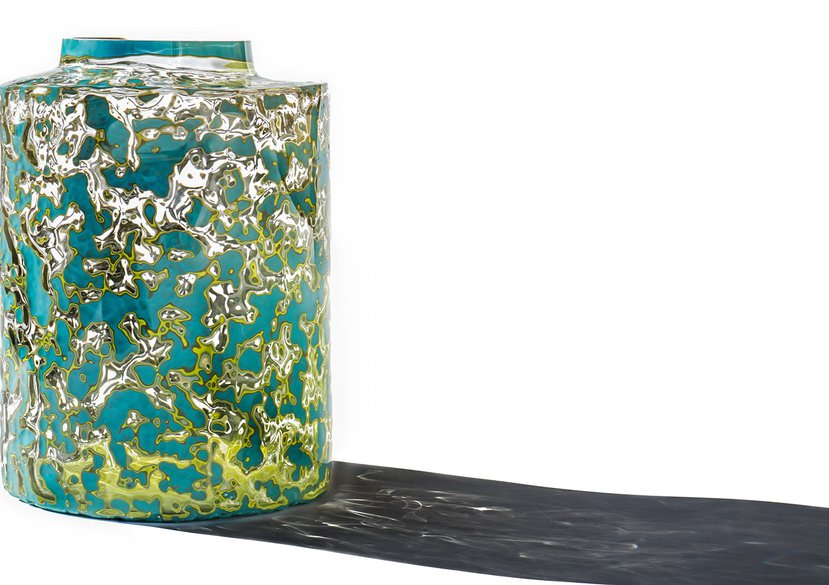
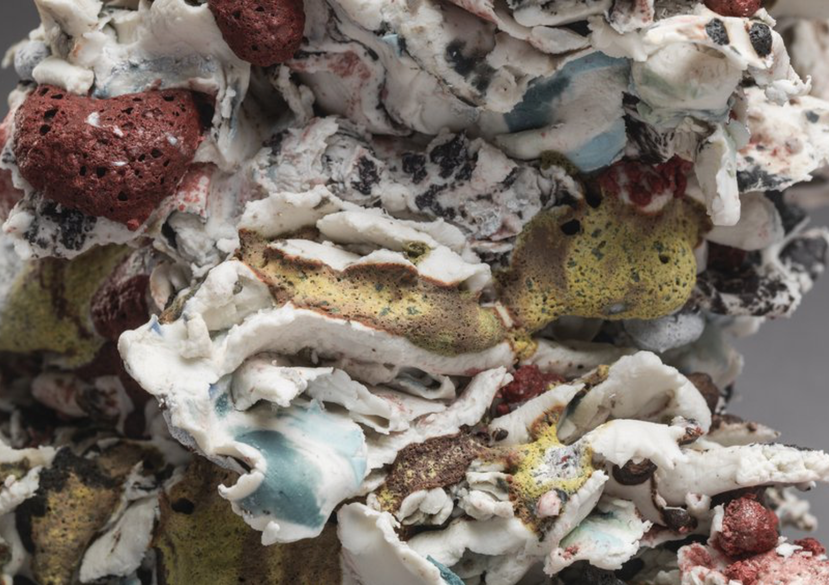

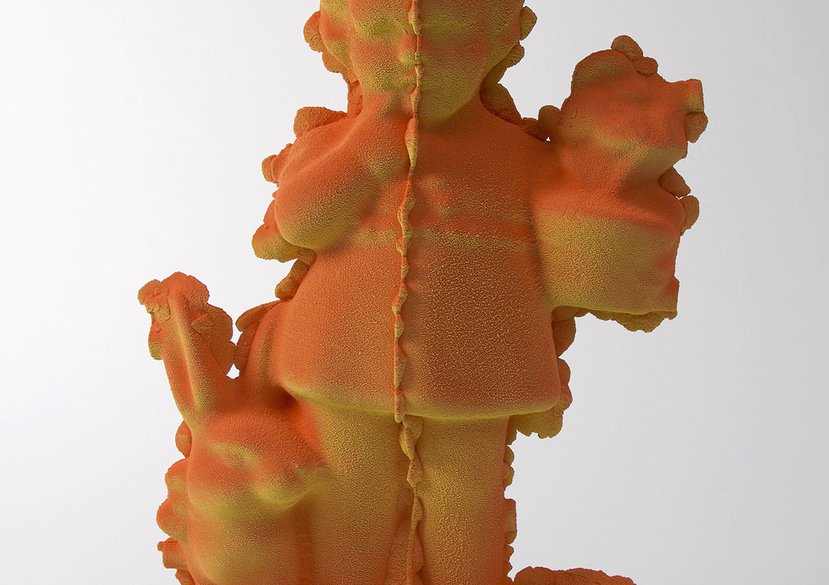
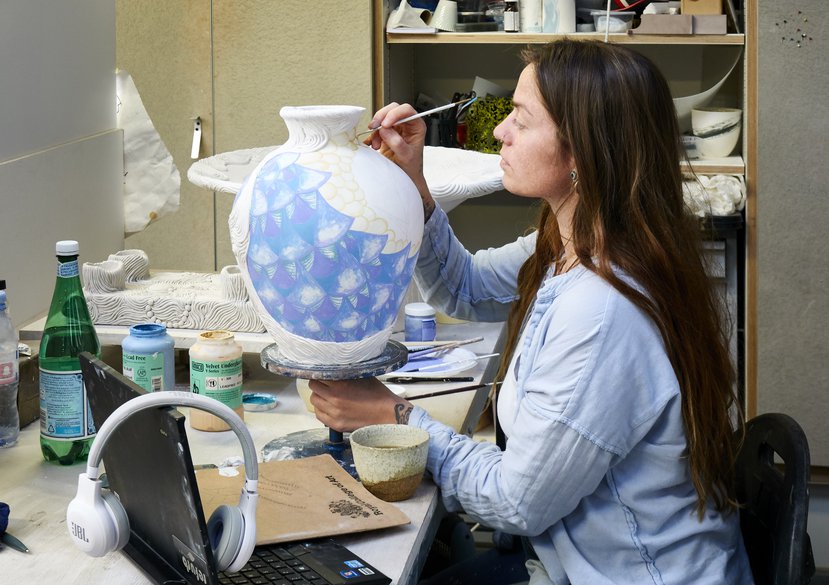
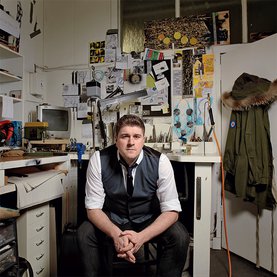
Staff






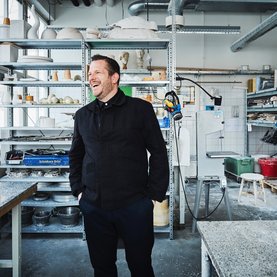

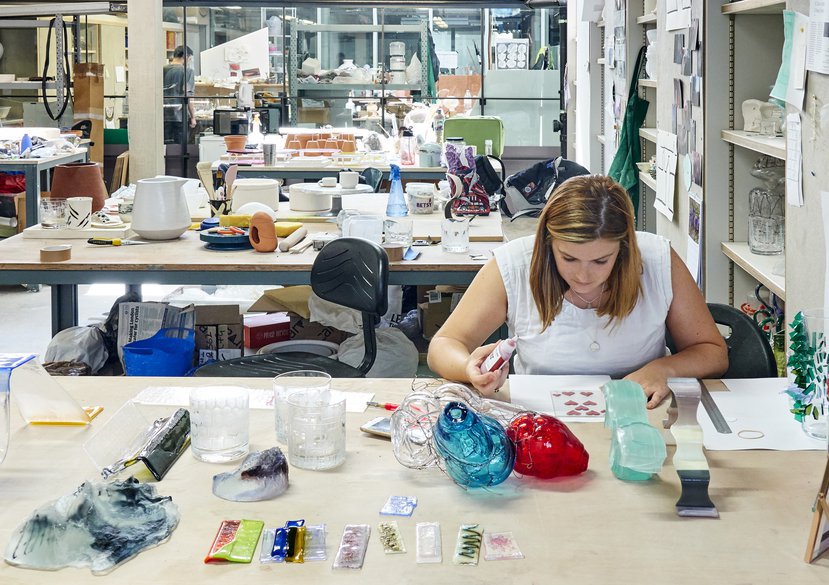
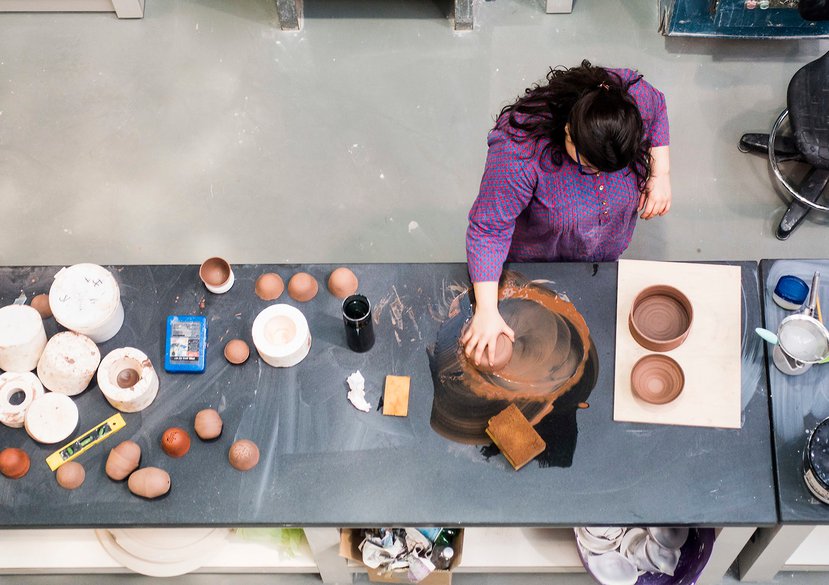
Facilities
The School of Arts & Humanities is located across our Battersea and Kensington sites.
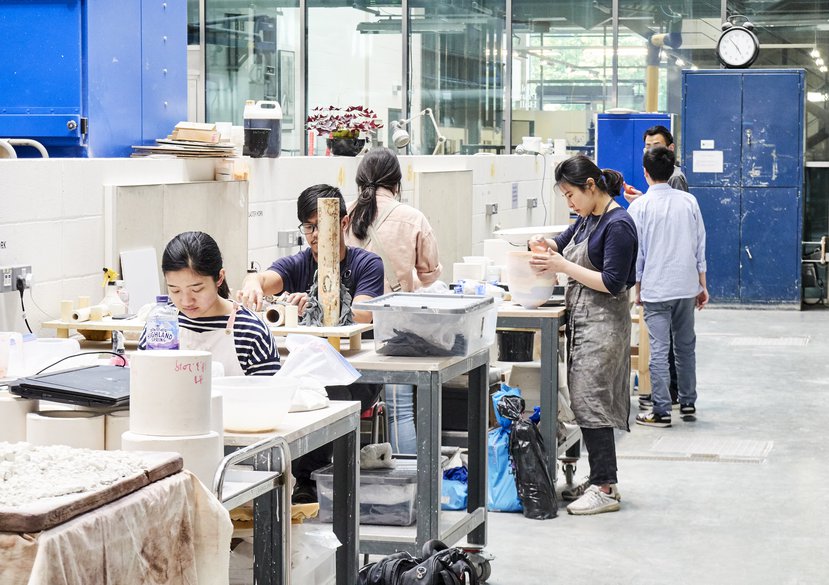
View all facilitiesAll full-time students on fine or applied arts programmes are provided with studios or workspace, and access to specialist workshops. There are a number of bookable seminar and project spaces across the site available to all Arts & Humanities students.


Our alumni
Our alumni form an international network of creative individuals who have shaped and continue to shape the world. Click on each name to find out more.
Where will the RCA take you?More details on what you'll study.
Find out what you'll cover in this programme.
What you'll cover
How you'll learn
The spectrum of enquiry is driven by live and studio projects. We’ll explore archives and collections to understand, question and reinterpret how the histories and traditions of our disciplines inform contemporary culture. Our relationship with site, communities and the built environment provides a framework for developing proposals. Specialist tutor-led group work focuses on areas such as metaphorical and phenomenological meaning within materiality. Finally, you’ll explore design-led ideas through object use, and the systems of production that they emerge from.
Drawing on our diverse network of contacts within the subject specialisms, lectures, artist talks and professional practice seminars from industry leaders are combined with field trips and practical skill sessions to support independent learning. Studio culture is nurtured within dedicated facilities that offer opportunities for collaborative and cross-disciplinary approaches – all aimed at developing the next generation of leading Ceramics & Glass graduates. Alongside programme-specific delivery, theory and contextual studies will be delivered across the Applied Art disciplines, situating and contextualising a material-led practice's thinking (and making) into the broader world.
You will also learn from your fellow students, and they will learn from you. Each year a global cohort of students from diverse backgrounds, careers and life experiences joins our community. Peer-to-peer learning is a vital part of the RCA experience and this range of perspectives enriches students, igniting new ways of thinking and sparking innovation.
Outside of campus experience, you will have opportunities to explore London and immerse yourself in Europe's creative and cultural capital.
Programme structure
The programme is delivered across three terms and includes a combination of programme, School and College units. These will include:
Term 1
Interrogating Your Practice and Deconstructing Assumptions (45 credits)
This unit focuses on developing tools for deconstructing and critiquing your own practice and previous methods/approaches, as well as providing new contexts and directions for your work. Emphasis is placed on inviting new thoughts and progressive ideas through which to develop a ceramics and glass practice. During the unit you will be offered a series of opportunities to explore techniques, collections, environments alongside new modes of thinking aimed at challenging and expanding your current perception of Ceramics & Glass practice.
You will choose a Platform through which you will more closely align with the research interests of a smaller group of students. These Platforms are reactive to contemporary concerns and driven by staff research. Tutors leading these groups will deliver content which allows a particular vantage on the wider disciplines of Ceramics and Glass. The Platforms curriculum will be delivered via one-to-one tutorial, group critique, a workshop, a site visit/study, and seminar around the Platform theme. Platforms are to be understood as points of departure for experimental and investigative self-directed practice, as well as facilitators for peer learning in relation to creative ambition.
Term 2
Developing Methodologies (30 credits)
Throughout this unit, you will explore themes situated within wider material culture particularly those revealed by self-directed study via the lens of a Ceramics & Glass practice. Through experimentation and research, you will establish and develop the methodologies that will define their emerging practice. Developments and lines of enquiry formulated in Interrogating Your Practice and Deconstructing Assumptions, and through the Platform, will act as a background for the production of a body of work. You will be required to write your proposal and develop the summative project for the Independent Research Project by the middle of this unit.
Also in Term 2, a choice of elective units will allow you to shape your own learning journey. You will have the opportunity to work alongside students from other programmes, bringing your practice into dialogue with the creative approaches of your peers. A full list of elective options will be published in 2027.
Term 3
Independent Research Project (60 credits)
The Independent Research Project offers a point of synthesis through public exhibition, critical reflection and the production of a Print Ready Portfolio. Contracted and visiting staff from the programme support you to acquire advanced understanding of practice-led methodologies, critical reflection, production and presentation. Here, the IRP supports you with the specific conceptual and material demands of exhibiting and sharing their work and uses this to prepare you for the diverse professional practices of contemporary art and design.
This MA is delivered over 45 weeks.
Requirements
What you need to know before you apply
Candidates are selected entirely on merit and applications are welcomed from all over the world. The selection process will consider creativity, imagination and innovation as demonstrated in your portfolio, as well as your potential to benefit from the programme and to achieve high MA standards overall.
You should have a good undergraduate degree in Ceramics or Glass or equivalent professional experience. Applications are welcomed from candidates from related backgrounds, for example, textiles, sculpture, architecture and industrial design. Work experience, either before or after a first degree, is a great advantage.
What's needed from you
Portfolio requirements
For your portfolio, you can submit up to five works or projects showing three images for each, totalling a maximum of 15 images. If you submit film, please limit this to three short works.
Each work could be a singular artwork/object or be representative of a more expansive project. The two additional images can be of other finished works in the series, close-ups, or work-in-progress. You do not have to submit the maximum of 15 images, the work does not necessarily need to be in ceramics or glass, and please do not submit images that have multiple images and further text on them.
We are looking at how you curate a refined, concise portfolio that best represents your practice to date. We hope to get an understanding of your individual creativity, your passion and curiosity for experimenting with materials and processes, your imagination and ideas and your ability to bring them into the world.
Personal statement
Please provide a 300-word written personal statement that addresses the following points:
- Introduce yourself, your interests and your motivations for applying to the Royal College of Art, and to this programme in particular.
- Briefly summarise any educational background and professional experience to date that will support your application.
- Tell us what you want to do in the future.
Video requirements
The making of this video offers you the opportunity to introduce yourself to us as a creative individual. You will need to carefully consider and plan what you would like to say in order to give us a clear and concise understanding of you and your work.
It might help for you to choose a specific object or project with which you can focus on how you tell us about your ideas, influences and experiences or you could decide to describe your creative journey to this point more broadly.
Some of the things we would like to hear from you are:
- Some details of the journey which has led you to want to study on the programme.
- What are the inspirations and influences behind your work?
- What methods, processes or approaches do you use?
- What are your ambitions in undertaking the course and what do you hope to learn and achieve?
- What context do you see your work residing in?
English-language requirements
If you are not a national of a majority English-speaking country you will need the equivalent of an IELTS Academic or UKVI score of 6.5 overall (with a minimum of 5.5 in every component). Students achieving a grade of at least 6.0, with a grade of 5.5 in the Test of Written English, may be eligible to take the College’s English for Academic Purposes course to enable them to reach the required standard.
You are exempt from this requirement if you have received a 2.1 degree or above from a university in a majority English-speaking nation within the last five years.
If you need a Student Visa to study at the RCA, you will also need to meet the Home Office’s minimum requirements for entry clearance.
Fees & funding
For this programme
Fees for new students
Fees for September 2027 entry on this programme are outlined below. From 2021 onward, EU students are classified as Overseas for tuition fee purposes.
Home
Overseas and EU
Deposit
New entrants to the College will be required to pay a non-refundable deposit in order to secure their place. This will be offset against the tuition fees. Deposits for 2027 entry can be found below.
Home
Overseas and EU
Progression discount
For alumni who have completed an RCA Graduate Diploma and progress onto an RCA Master's programme, a progression discount of £1,000 is available. For alumni progressing from an RCA Master's to another RCA Master's, a progression discount of £2,000 is available (£1,000 per year for part-time programmes).
* Total cost is based on the assumption that the programme is completed in the timeframe stated in the programme details. Additional study time may incur additional charges.
Scholarships
Scholarships
Each year, the RCA scholarship programme supports hundreds of students. The following are examples of scholarships awarded for 2026/27, with additional awards added throughout the year.
Charlotte Fraser Scholarship
Eligible programmes: Ceramics & Glass MA
Other criteria: None
Eligible fee status: Home fee status
Value: Full fees
Chelsea Arts Club Trust MA Ceramics & Glass Award
Eligible programmes: Ceramics & Glass MA
Other criteria: None
Eligible fee status: Home fee status
Value: £2,500 towards living costs
GREAT Scholarship
In partnership with the British Council and the GREAT Britain Campaign, the RCA has announced the third year of GREAT Scholarships. For 2026/27 we are offering two scholarships to students from India and Turkey.
Eligible programmes: Interior Design MA, Environmental Architecture & Urban Design MA, Ceramics & Glass MA, Contemporary Art Practice MA/MFA, Curating Contemporary Art MA, V&A/RCA History of Design MA, Jewellery & Metal MA, Painting MA, Photography MA, Print MA, Sculpture MA, Writing MA, Animation MA, Digital Narrative Arts MA/MFA, Information Experience Design MA, Visual Communication MA, Design Products MA/MDes, Fashion MA, Intelligent Mobility Design MA/MDes, Service Design MA, Textiles MA, Creative Education MEd, Communication MFA, Master of Research RCA MRes, Design Futures MA, Arts & Humanities MFA, Design Practice MArch
Other criteria: None
Eligible fee status: Overseas fee status
Value: £10,000 toward fees
House of Fraser Bursary
Eligible programmes: Architecture MArch (ARB/RIBA), Interior Design MA, Environmental Architecture & Urban Design MA, Ceramics & Glass MA, Contemporary Art Practice MA/MFA, Curating Contemporary Art MA, V&A/RCA History of Design MA, Jewellery & Metal MA, Painting MA, Photography MA, Print MA, Sculpture MA, Writing MA, Animation MA, Digital Narrative Arts MA/MFA, Information Experience Design MA, Visual Communication MA, Design Products MA/MDes, Fashion MA, Innovation Design Engineering MA/MSc, Intelligent Mobility Design MA/MDes, Service Design MA, Textiles MA
Other criteria: None
Eligible fee status: Home fee status
Value: £10,000 toward fees
Leathersellers' Bursary
For students using leather in their practice
Eligible programmes: Architecture MArch (ARB/RIBA), Interior Design MA, Environmental Architecture & Urban Design MA, Ceramics & Glass MA, Contemporary Art Practice MA/MFA, Curating Contemporary Art MA, V&A/RCA History of Design MA, Jewellery & Metal MA, Painting MA, Photography MA, Print MA, Sculpture MA, Writing MA, Animation MA, Digital Narrative Arts MA/MFA, Information Experience Design MA, Visual Communication MA, Design Products MA/MDes, Fashion MA, Innovation Design Engineering MA/MSc, Intelligent Mobility Design MA/MDes, Service Design MA, Textiles MA
Other criteria: None
Eligible fee status: Home or overseas status
Value: £6,000 towards living costs
Marit Rausing Scholarship in Ceramics and Glass
.
Eligible programmes: Ceramics & Glass MA
Other criteria: None
Eligible fee status: Home fee status
Value: Full fees and maintenance
Paolozzi Travel Scholarship
Eligible programmes: Ceramics & Glass MA
Other criteria: None
Eligible fee status: Home or overseas status
Value: £5,000 toward living costs
Pokémon Scholarship
Eligible programmes: Architecture MArch (ARB/RIBA), Ceramics & Glass MA, Jewellery & Metal MA, Sculpture MA, Digital Narrative Arts MA/MFA, Information Experience Design MA, Visual Communication MA, Design Products MA/MDes, Fashion MA, Innovation Design Engineering MA/MSc, Intelligent Mobility Design MA/MDes, Textiles MA
Other criteria: None
Eligible fee status: Home or overseas status
Value: If Home: Full Tuition Fee & Maintenance. If Overseas: Tuition Fee Discount
RCA President & Vice-Chancellor’s International
Round 1 and 2 programme applications will be automatically assessed for one of these scholarships. If you are successful, you will be told about this at the same time as receiving your RCA programme offer.
Eligible programmes: Architecture MArch (ARB/RIBA), Interior Design MA, Environmental Architecture & Urban Design MA, Ceramics & Glass MA, Contemporary Art Practice MA/MFA, Curating Contemporary Art MA, V&A/RCA History of Design MA, Jewellery & Metal MA, Painting MA, Photography MA, Print MA, Sculpture MA, Writing MA, Animation MA, Digital Narrative Arts MA/MFA, Information Experience Design MA, Visual Communication MA, Design Products MA/MDes, Fashion MA, Innovation Design Engineering MA/MSc, Intelligent Mobility Design MA/MDes, Service Design MA, Textiles MA, Creative Education MEd, Communication MFA, Master of Research RCA MRes, Design Futures MA, Arts & Humanities MFA, Design Practice MArch
Other criteria: Applicants from Australia, Brazil, Canada, Chile, Colombia, Denmark, Egypt, France, Germany, Greece, Hong Kong, India, Indonesia, Israel, Italy, Japan, Malaysia, Mexico, Netherlands, Nigeria, Pakistan, Palestine, Poland, Portugal, Saudi Arabia, Singapore, South Korea, Spain, Switzerland, Taiwan, Thailand, Turkey, UAE, USA
Eligible fee status: Overseas fee status
Value: £9,000 toward fees
RCA President & Vice-Chancellor’s UK Scholarship
Round 1 and 2 programme applications will be automatically assessed for one of these scholarships. If you are successful, you will be told about this at the same time as receiving your RCA programme offer.
Eligible programmes: Architecture MArch (ARB/RIBA), Interior Design MA, Environmental Architecture & Urban Design MA, Ceramics & Glass MA, Contemporary Art Practice MA/MFA, Curating Contemporary Art MA, V&A/RCA History of Design MA, Jewellery & Metal MA, Painting MA, Photography MA, Print MA, Sculpture MA, Writing MA, Animation MA, Digital Narrative Arts MA/MFA, Information Experience Design MA, Visual Communication MA, Design Products MA/MDes, Fashion MA, Innovation Design Engineering MA/MSc, Intelligent Mobility Design MA/MDes, Service Design MA, Textiles MA, Creative Education MEd, Communication MFA, Master of Research RCA MRes, Design Futures MA, Arts & Humanities MFA, Design Practice MArch
Other criteria: None
Eligible fee status: Home fee status
Value: £5,000 toward fees
Sir Alistair and Lady Pilkington Bursary
Eligible programmes: Ceramics & Glass MA
Other criteria: None
Eligible fee status: Home fee status
Value: £10,000 toward fees
The Radcliffe Trust Craft Award
Eligible programmes: Ceramics & Glass MA, Jewellery & Metal MA, Painting MA, Sculpture MA
Other criteria: None
Eligible fee status: Home fee status
Value: £5,000 towards fees
The RCA Sanctuary Scholarship
For full details please see here: www.rca.ac.uk/study/apply-to-study/funding-your-studies/rca-scholarships-and-awards/the-rca-sanctuary-scholarship/
Eligible programmes: Interior Design MA, Environmental Architecture & Urban Design MA, Ceramics & Glass MA, Contemporary Art Practice MA/MFA, Curating Contemporary Art MA, V&A/RCA History of Design MA, Jewellery & Metal MA, Painting MA, Photography MA, Print MA, Sculpture MA, Writing MA, Animation MA, Digital Narrative Arts MA/MFA, Information Experience Design MA, Visual Communication MA, Design Products MA/MDes, Fashion MA, Intelligent Mobility Design MA/MDes, Service Design MA, Textiles MA, Creative Education MEd, Communication MFA, Master of Research RCA MRes, Design Futures MA, Arts & Humanities MFA, Design Practice MArch
Other criteria: None
Eligible fee status: Home or overseas status
Value: Full fees & support package up to the value of £20,000 pa (depending on the awardee’s circumstances)
The RCA UK Cost of Living Scholarship
Eligible programmes: Architecture MArch (ARB/RIBA), Interior Design MA, Environmental Architecture & Urban Design MA, Ceramics & Glass MA, Contemporary Art Practice MA/MFA, Curating Contemporary Art MA, V&A/RCA History of Design MA, Jewellery & Metal MA, Painting MA, Photography MA, Print MA, Sculpture MA, Writing MA, Animation MA, Digital Narrative Arts MA/MFA, Information Experience Design MA, Visual Communication MA, Design Products MA/MDes, Fashion MA, Innovation Design Engineering MA/MSc, Intelligent Mobility Design MA/MDes, Service Design MA, Textiles MA, Creative Education MEd, Communication MFA, Master of Research RCA MRes, Design Futures MA, Arts & Humanities MFA, Design Practice MArch
Other criteria: None
Eligible fee status: Home fee status
Value: £5,000 towards living costs
The RCA UK Disabled Students’ Scholarship
For students who identify as D/deaf or disabled
Eligible programmes: Architecture MArch (ARB/RIBA), Interior Design MA, Environmental Architecture & Urban Design MA, Ceramics & Glass MA, Contemporary Art Practice MA/MFA, Curating Contemporary Art MA, V&A/RCA History of Design MA, Jewellery & Metal MA, Painting MA, Photography MA, Print MA, Sculpture MA, Writing MA, Animation MA, Digital Narrative Arts MA/MFA, Information Experience Design MA, Visual Communication MA, Design Products MA/MDes, Fashion MA, Innovation Design Engineering MA/MSc, Intelligent Mobility Design MA/MDes, Service Design MA, Textiles MA, Creative Education MEd, Communication MFA, Master of Research RCA MRes, Design Futures MA, Arts & Humanities MFA, Design Practice MArch
Other criteria: None
Eligible fee status: Home fee status
Value: £6,000 towards living costs
The Sir Frank Bowling Scholarship
For students identifying as Black or Black British - Caribbean, Black or Black British - African, Other Black background, Mixed - White and Black Caribbean, Mixed - White and Black African
Eligible programmes: Architecture MArch (ARB/RIBA), Interior Design MA, Environmental Architecture & Urban Design MA, Ceramics & Glass MA, Contemporary Art Practice MA/MFA, Curating Contemporary Art MA, V&A/RCA History of Design MA, Jewellery & Metal MA, Painting MA, Photography MA, Print MA, Sculpture MA, Writing MA, Animation MA, Digital Narrative Arts MA/MFA, Information Experience Design MA, Visual Communication MA, Design Products MA/MDes, Fashion MA, Innovation Design Engineering MA/MSc, Intelligent Mobility Design MA/MDes, Service Design MA, Textiles MA, Creative Education MEd, Communication MFA, Master of Research RCA MRes, Design Futures MA, Arts & Humanities MFA, Design Practice MArch
Other criteria: None
Eligible fee status: Home fee status
Value: Full fees and maintenance
The Virgil Abloh Award
Eligible programmes: Ceramics & Glass MA, Contemporary Art Practice MA/MFA, Curating Contemporary Art MA, Jewellery & Metal MA, Painting MA, Photography MA, Print MA, Sculpture MA, Writing MA, Design Products MA/MDes, Fashion MA, Service Design MA, Textiles MA
Other criteria: Students with Black African or Caribbean diaspora heritage, or mixed Black African or Caribbean diaspora heritage
Eligible fee status: Home fee status
Value: £5,000 for living costs
The Virgil Abloh Scholarship
Eligible programmes: Ceramics & Glass MA, Contemporary Art Practice MA/MFA, Curating Contemporary Art MA, Jewellery & Metal MA, Painting MA, Photography MA, Print MA, Sculpture MA, Writing MA, Design Products MA/MDes, Fashion MA, Service Design MA, Textiles MA
Other criteria: Students with Black African or Caribbean diaspora heritage, or mixed Black African or Caribbean diaspora heritage
Eligible fee status: Home fee status
Value: Full fees and maintenance
Even if you do not currently see a scholarship for which you meet the eligibility criteria, we encourage you to apply to be considered for financial support.
Unless otherwise stated, you must apply in either round 1 or 2, and have received an offer of study on an RCA programme to be invited to make a scholarship application. Therefore, we strongly recommend you apply for your programme as early as possible but no later than the round 2 deadline.
More information
Additional fees
In addition to your programme fees, please be aware that you may incur other additional costs associated with your study during your time at RCA. Additional costs can include purchases and services (without limitation): costs related to the purchase of books, paints, textiles, wood, metal, plastics and/or other materials in connection with your programme, services related to the use of printing and photocopying, lasercutting, 3D printing and CNC. Costs related to attending compulsory field trips, joining student and sport societies, and your Convocation (graduation) ceremony.
If you wish to find out more about what type of additional costs you may incur while studying on your programme, please contact the Head of your Programme to discuss or ask at an online or in person Open Day.
We provide the RCASHOP online, and at our Kensington and Battersea Campuses – this is open to students and staff of the Royal College of Art only to provide paid for materials to support your studies.
We also provide support to our students who require financial assistance whilst studying, including a dedicated Materials Fund.
External funding
There are many funding sources, with some students securing scholarships and others saving money from working. It is impossible to list all the potential funding sources; however, the following information could be useful.
Payments
Tuition fees are due on the first day of the academic year and students are sent an invoice prior to beginning their studies. Payments can be made in advance, on registration or in two instalments.
Experience
The social media content shown here reflects past and current student activity and is provided for illustrative purposes only. Experiences on the programme may vary and are subject to change for future students.
Ask a question
Get in touch if you’d like to find out more or have any questions.
More opportunities to study at the RCA
Related programmes