Overview
Become a design leader with the skills to influence
Key details
MA
- 180 credits
- 1 year / 45 week programme
- Full-time study
MDes
- 300 credits
- 2 years / 90 week programme
- Full-time study
School or Centre
Current location
- Battersea
Next open event
- 7 Nov 2026
- On campus Open Day
Next application deadline
- 8 Jan 2027
- Still accepting applications
Career opportunities
- Graduates join leading OEM vehicle design brands and global mobility and design consultancies - as exterior, interior or UX specialists - often advancing to senior leadership roles.
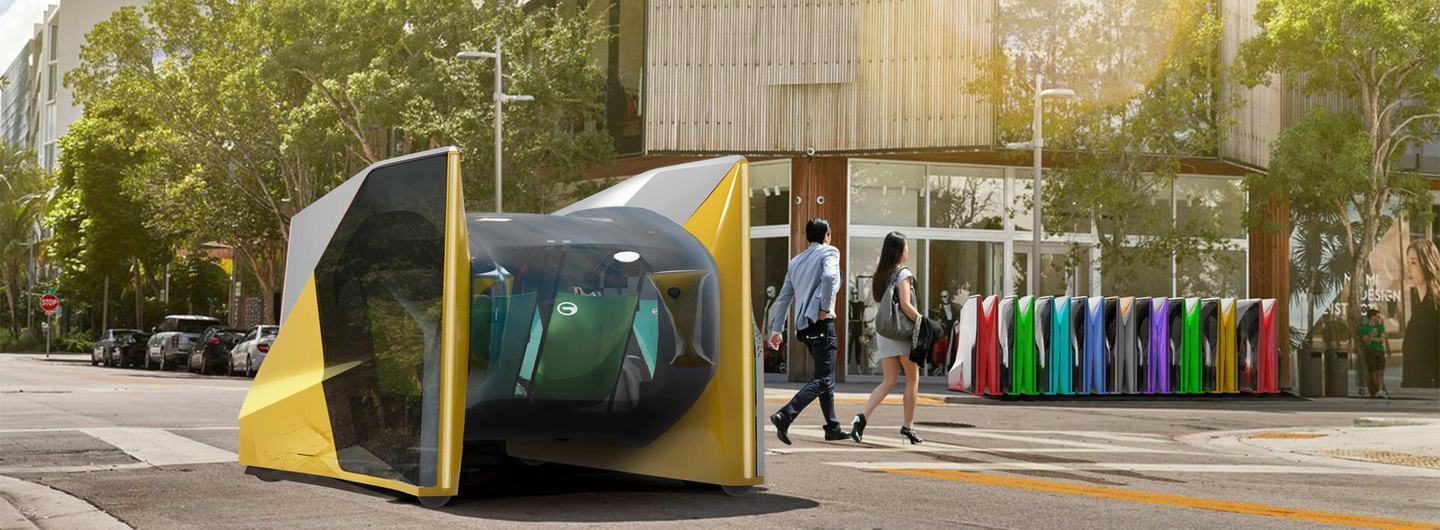
Move beyond traditional car design to encompass broader systems of transportation, technology, and human experience.
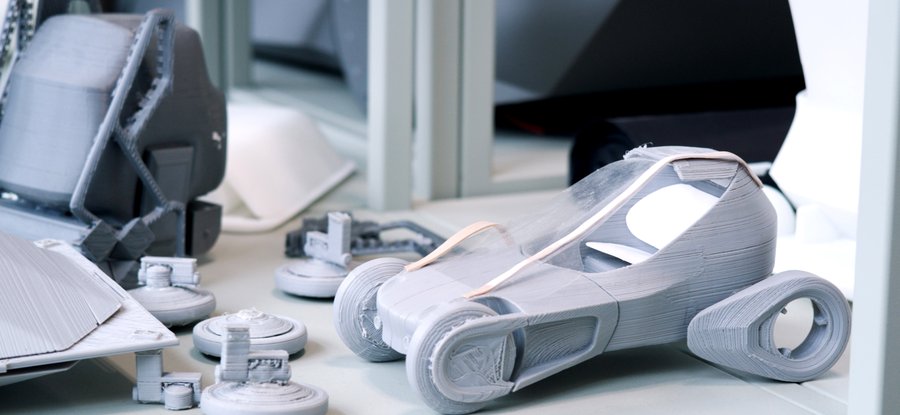
- Develop and deliver advanced solutions to holistic mobility challenges and opportunities.
- Translate techno-cultural challenges through intense creativity and research.
- Work closely with mobility design practitioners, thought leaders and leading brands.
- Become a practice leader and define the future of mobility design.
The Intelligent Mobility MA/MDes programme places the influential history of vehicle design at the RCA within the context of new social, cultural and technical changes.
The RCA is renowned for creating leaders in the automotive industry; with alumni steering the direction of mobility at Jaguar Land Rover, McLaren, Geely, SAIC Volkswagen, Polestar and Mahindra.
Join us to build on this legacy while looking to future challenges such as the shift to autonomous systems, renewable power, demographic changes and the increasing synthesis between man and machine. Through a design-led approach, we bring together existing fields to address both physical and virtual aspects of mobility as an integrated whole.
Become an innovative design leader
Our students create advanced design and innovation concepts for new mobility opportunities. We help you understand industrial practice and encourage you to ask critical questions relating to brand, business, production, ownership and use.
This commercial, connected approach creates leaders in automotive and mobility design and the broad spectrum of mobility services and artefacts. You’ll become part of a new generation of designers with a broad range of abilities, who have both the insight and ambition to make an impact in an increasingly diverse industry.
Intelligent Mobility can be taken as a one-year MA or a two-year MDes programme. The MDes programme follows on directly from the MA programme and cannot be taken separately.
Year 1 MA
In the first year of the programme you will explore critical solutions to holistic mobility needs and issues – working through a spectrum of mobility contexts to understand different requirements including: public mobility and urbanism, technology and interiors, and the future of vehicles. Through these diverse project contexts you will build knowledge in translating techno-cultural challenges via an appropriate spectrum of design and research approaches – building mature design and innovation proposals to a range of identified new mobility opportunities. You will work closely with mobility design practitioners, thought leaders and leading brands to evolve a thorough understanding of industrial practice and opportunity – engaging in critical questions relating to business, production and models of ownership.
Year 2 MDes
The second year of the programme will equip you to be a practice leader within the ‘third age’ of automotive and mobility design and a specialist in one of the key sectors and sub-disciplines in mobility design. You will explore and define your own ‘point-of-impact’ on an increasingly diverse industry, considering professionally and culturally where you are positioned to capitalise on your skills and ideological concerns.
You will do this by developing and testing your project proposition against a range of commercial and professional frameworks including; intellectual/IP, RCA research centre collaboration, and external technology and brand stakeholder network interaction. Deploying the skills, knowledge and expertise from the first year of study you will increasingly probe, test and establish new methods and approaches to create impactful and original design outcomes.
Please make sure you apply for the programme you wish to study:
- If you wish to study for the one-year programme, please apply for the MA.
- If you wish to study for the two-year programme, please apply for the MDes.
There is no guaranteed progression from the MA to MDes and changing programme length may create challenges with student visas or finances.
Explore further and register your interest
Catch the replays from our latest online Open Day.
Watch portfolio advice from the programme team.
Student and alumni stories


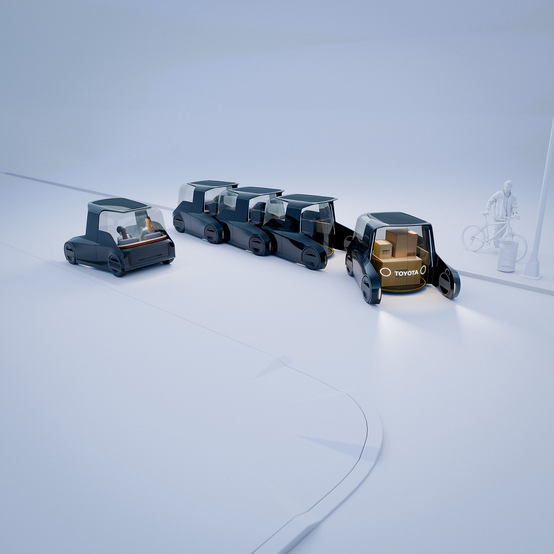
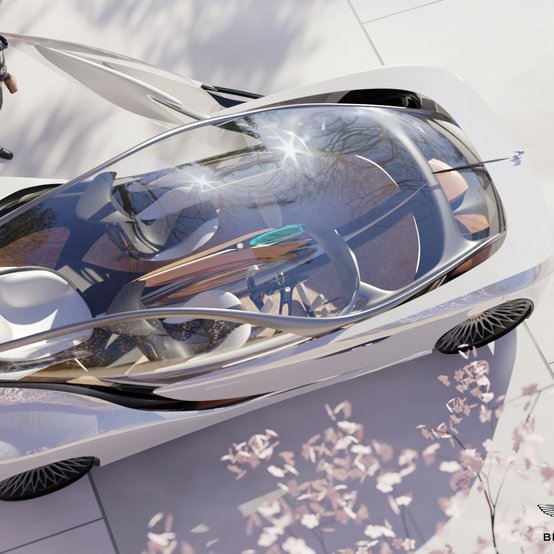
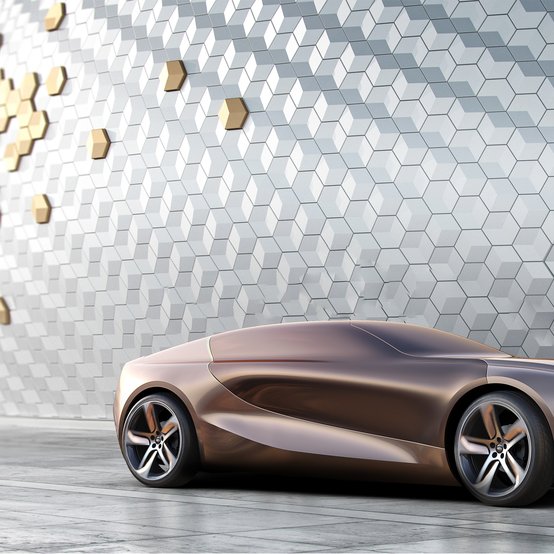
Gallery
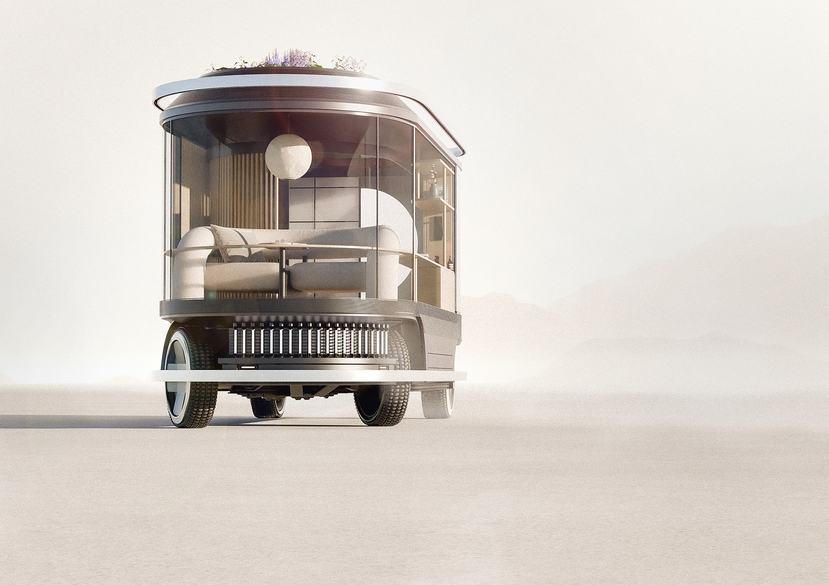
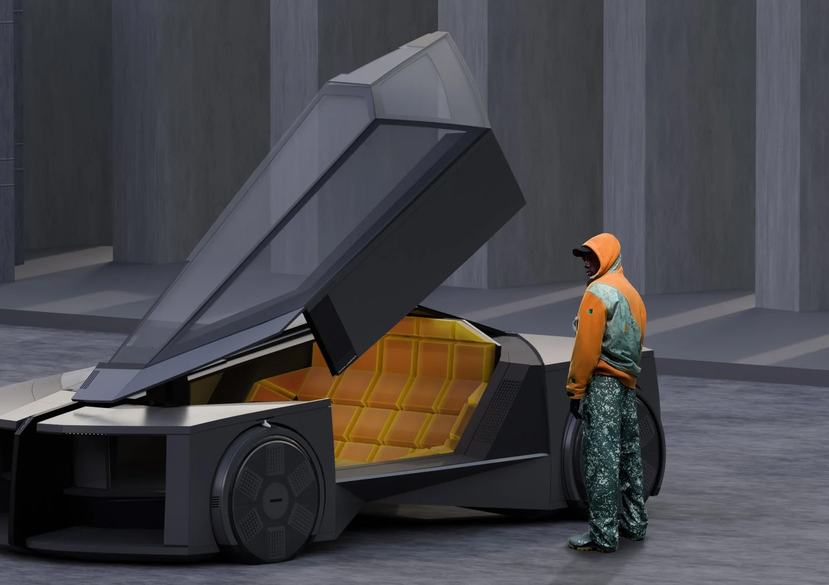
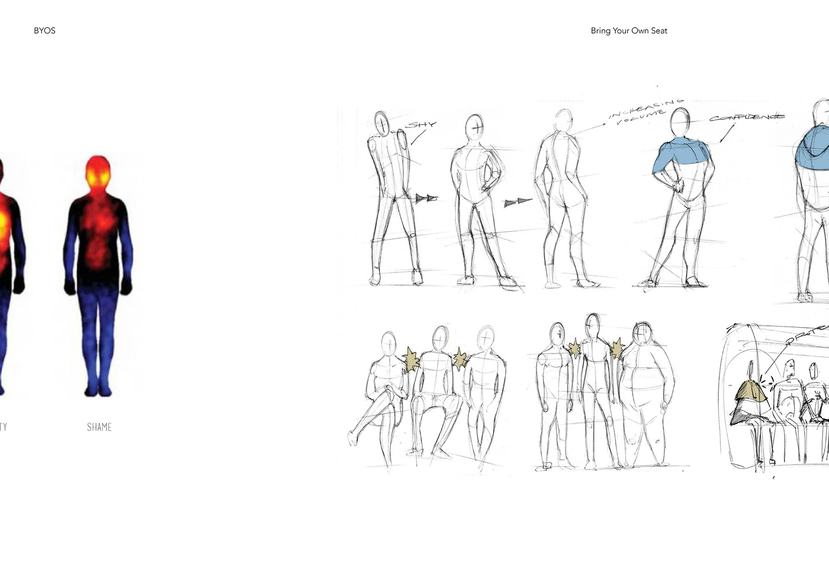
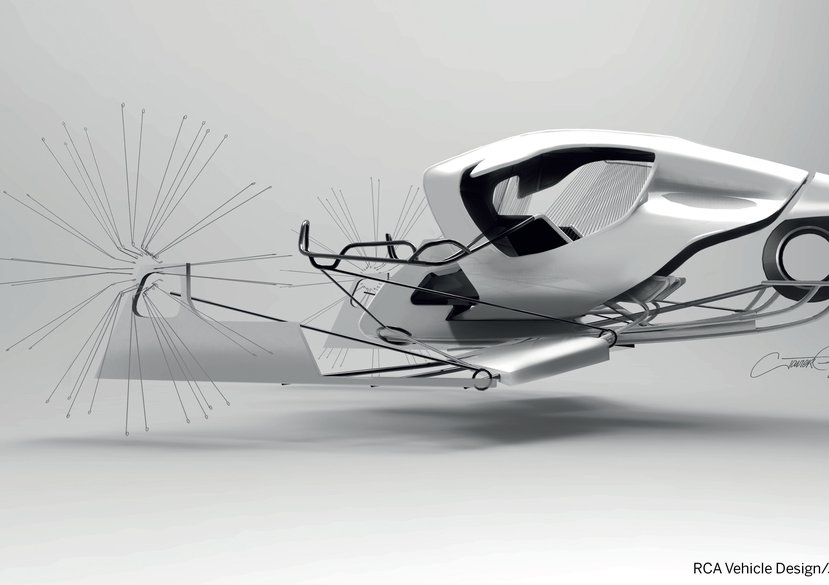
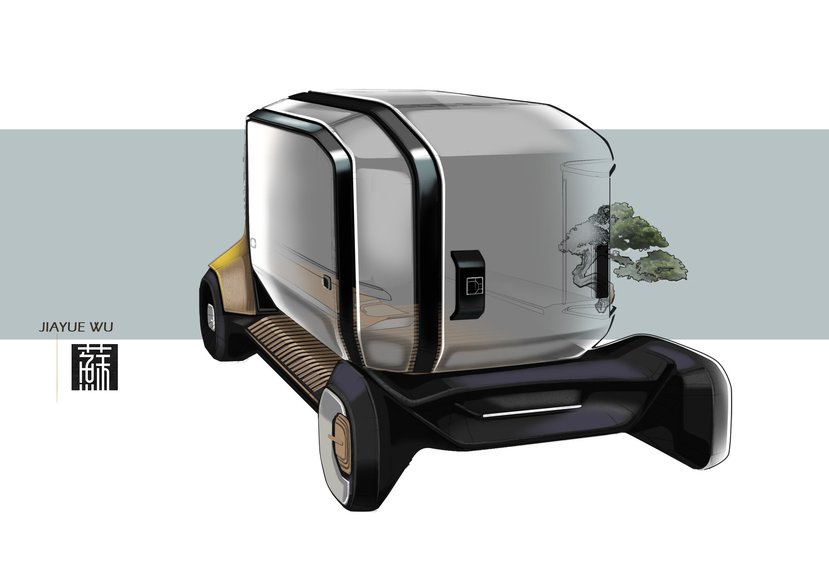
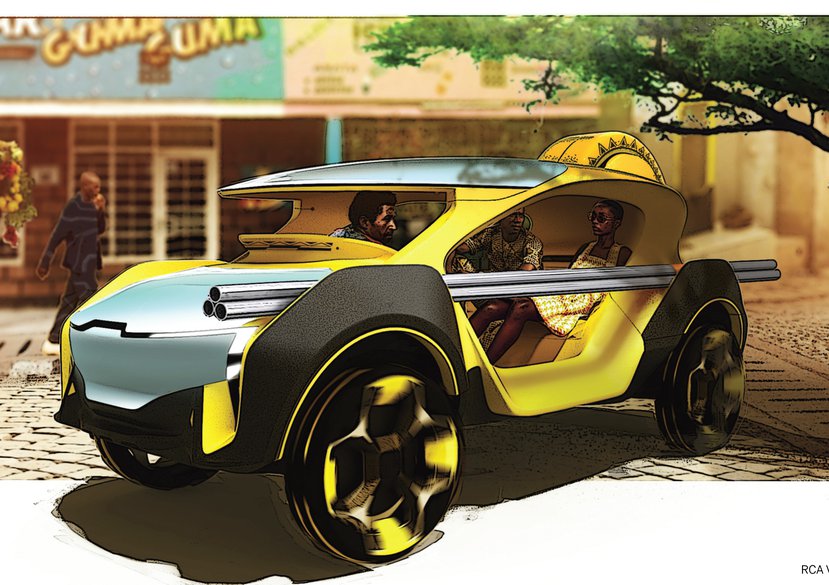
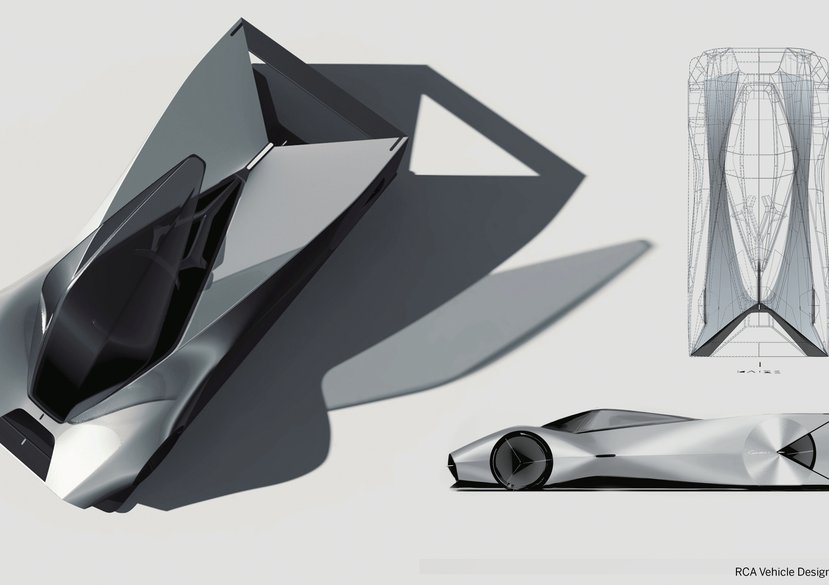
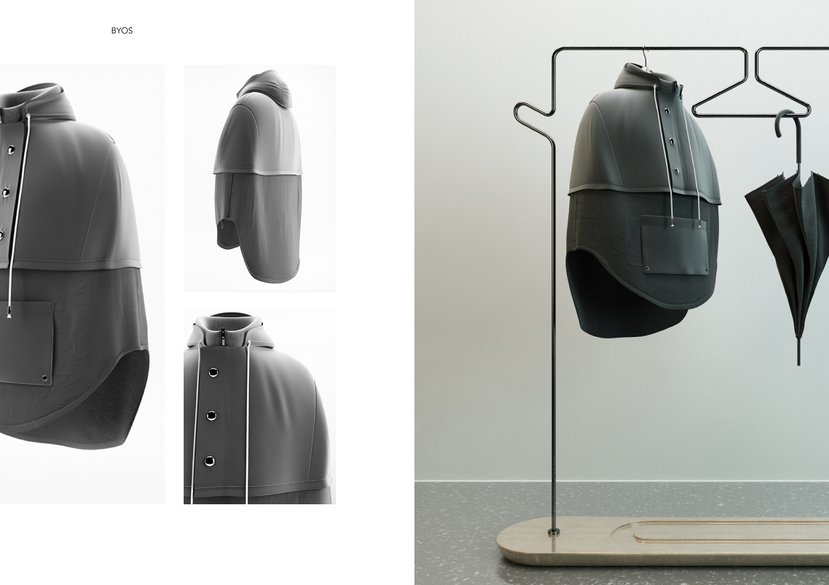
Staff







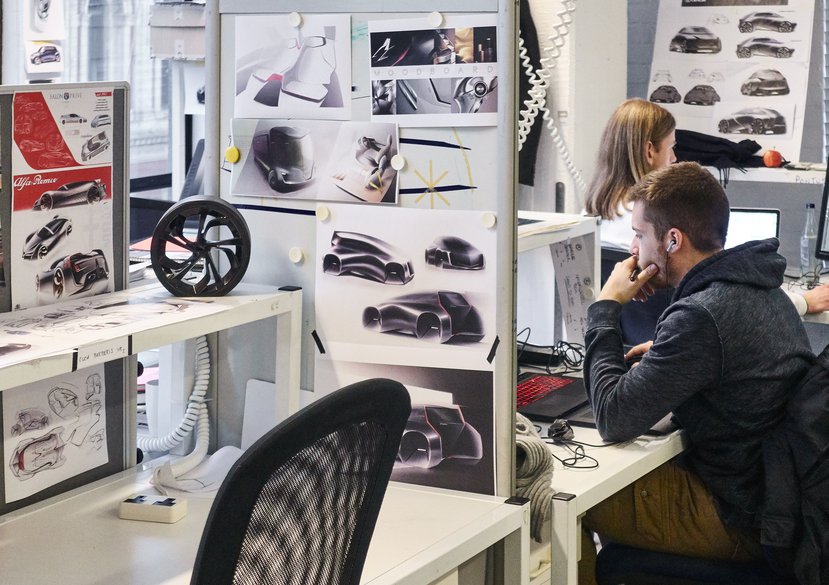
Facilities
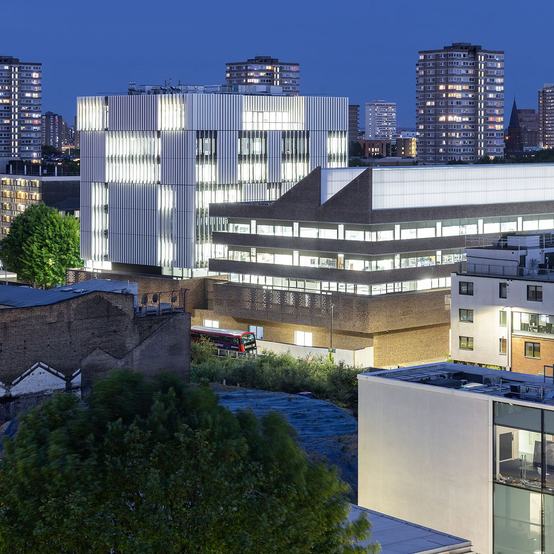
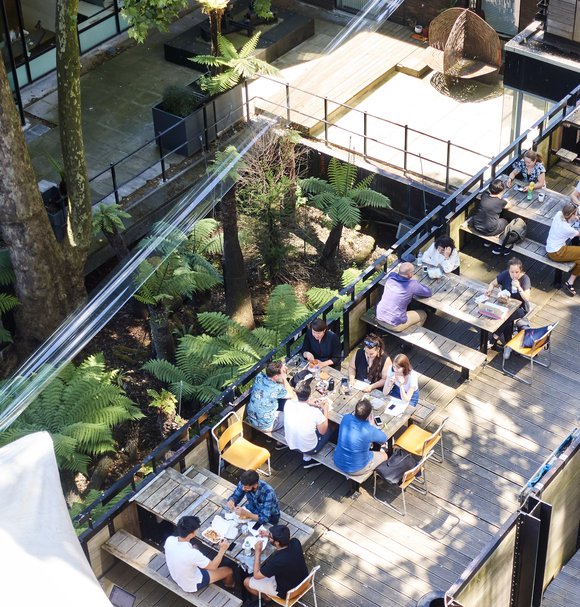
The School of Communication & Design is currently based across Battersea, Kensington and White City.
View all facilitiesYou'll have access to the College’s workshops, with traditional facilities for woodworking, metalworking, plastics and resins, including bookable bench spaces. Computer-driven subtractive milling equipment is available, as well as additive rapid prototyping.

Our alumni
Our alumni form an international network of creative individuals who have shaped and continue to shape the world. Click on each name to find out more.
Where will the RCA take you?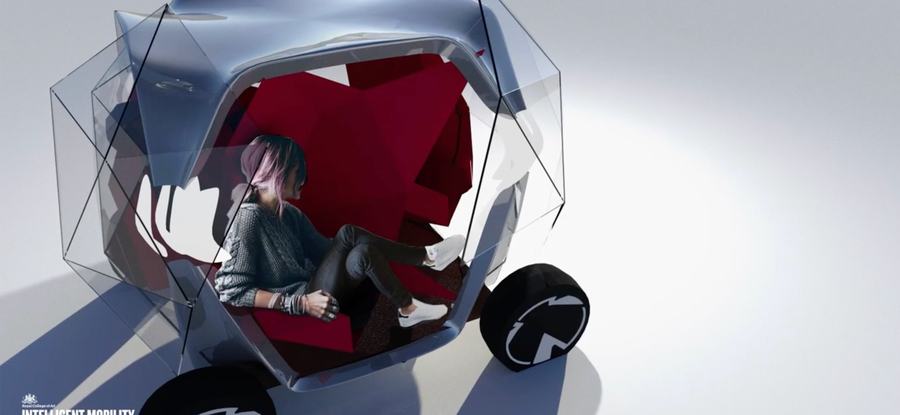
What you'll cover
How will I learn?
The programme will deploy a range of teaching/learning strategies to build skills at a number of levels during the MA as follows:
- Personally directed study will be encouraged during the programme and will be a focus for the IRP as part of the strategic/ideological goals of the programme. Such study will be guided by tutors through regular personal and group tutorials as below.
- Personal tutorials will be used to explore and challenge students' attitudes and knowledge about their work in context between individual students and their tutor.
- Group tutorials will be used to debate issues across student cohorts and tutors and to examine ideas at depth.
- Group seminars will be used to provide a range of contextual and ideological knowledge to students on the programme.
- Group workshops and skills training will be used to build key skills in a range of areas during the programme. Typical examples include: specialist CAD training, research skills workshops, bespoke short skills projects.
- Individual interim project presentation and reviews (non-examined) will be used to assess and debate students work during projects - leading to verbal and written feedback being given.
- Final examinations will be used to critically appraise work and provide feedback by an examination board on work submitted for a unit.
You will also learn from your fellow students, and they will learn from you. Each year a global cohort of students from diverse backgrounds, careers and life experiences joins our community. Peer-to-peer learning is a vital part of the RCA experience and this range of perspectives enriches students, igniting new ways of thinking and sparking innovation.
Outside of campus experience, you will have opportunities to explore London and immerse yourself in Europe's creative and cultural capital.
Programme structure
The programme includes a combination of programme, School and College units. These will include:
Year 1
In year 1 you will be exposed to a range of mobility sectors which will give you an understanding of the spectrum of contexts in which mobility interfaces. These naturally take you from macro (city and place) to micro (the car as the common currency and unit of mobility)
People and places
This unit provides a framework to understand how and where future mobility fits into a changing global landscape and how people and places connect through mobility. The unit aims to sensitise you to the scope and limits of different mobility typologies within the mobility mix and highlights the need for design to meet broader infrastructural and social requirements.
Humanising technology
This unit aims to explore how recent transformational mobility technologies such as autonomy and electrification can be interpreted to provide new and desirable human interactions in mobility. You are expected to gain a profound and critical understanding of emerging technologies and their place in future mobility design.
Automotive transitions
This unit focuses on the future of the automotive typology and asks you to reimagine how technology and social trends will influence future automotive design. The unit provides a deep context into the key elements of future automotive design with an emphasis on advanced manufacturing, contemporary socio-cultural issues and questions related to future business models.
Also in Term 2, a choice of elective units will allow you to shape your own learning journey. You will have the opportunity to work alongside students from other programmes, bringing your practice into dialogue with the creative approaches of your peers. This could either be through tackling ‘wicked’ design problems from a range of different perspectives, by collaborating on themed interdisciplinary projects, or by exploring how mutual exchanges of ideas and interpretations can foster a socially engaged practice. A full list of elective options will be published in 2027.
Independent Research Project
This unit concludes the first year of your study and asks students to identify, develop and address a defined research question which is both socially relevant and technically challenging. The work must be documented at all stages for public dissemination. This will take the form of a physical and or digital (virtual) exhibition of a selection of the students’ work during their 3 terms.
You are responsible for the intellectual and technical evolution of this project and for leading the research and development of ideas and insights through different stages of the design process. This includes working out who the stakeholders are, how to research, and the development of thinking through different media; notably from 2D to 3D and to an appropriate level of resolution.
For students continuing to the enhanced MDes award, the IRP will be a design response to a thematic topic/research question or challenge set by the programme academic team (this will be adapted and reset each year). The topic will be sufficiently broad to enable students to locate their project in one of the three studios i.e. People and places, Humanising Technology or Automotive transitions.
Students will be expected to define their project within the thematic topic before commencing the project including the following:
- A definition of the space within the brief they intend to focus on
- A plan/methodology for the development of the work
- A rationale for how their target project related to their skills and interests
Year 2
You will begin year 2 with Professional Development & Contextual Framing. This unit marks the transition into the second year of the MDes and establishes the conditions for advanced, independent design enquiry. It is intended to consolidate and extend the work developed during the first year, enabling you to operate with increased autonomy and critical confidence as you prepare for the MDes Major Project. The unit provides a structured but open framework within which you will refine your practice, deepen your contextual understanding, and define a coherent and ambitious direction for your work.
Towards the end of term 4 you will begin your MDes Major Project. This unit represents the culmination of the Master of Design and is structured as an extended period of independent, practice-led enquiry through which you will realise a substantial and original design project or proposition. It builds on the direction, research and methodologies established in the preceding unit and requires you to operate with a high degree of autonomy, critical judgement and professional awareness.
The MDes Major Project will require students to situate and test their work at an advanced level in order to establish its social, technical and/or commercial positioning. This will require students to deliver a series of formal project reports at prespecified stage gates during the project – which describe and reflect on the testing and development of the project proposition. (In this context ‘testing’ of the work can include traditional formats such as prototyping and evaluation with users and/or alternatives such as road mapping/future casting etc.)
A key point of difference of the MDes will be evidenced as students progress their projects to select, test, apply and evolve a range of appropriate methods and processes for their project. This may include for example state of the art digital/virtual processes or experimental material/production methods where projects are closely aligned to commercial opportunities. In such cases the expectation is for students to demonstrate a degree of critical reflection to the selection of approaches and in the adaptation of these to deliver their work – creating original outcomes which display depth of enquiry – situated via expert use of processes of production and development as appropriate.
At the end of this unit, you will present your work through an appropriate public or professional format. This may take the form of an exhibition, prototype, system, publication, digital platform or other mode of dissemination, depending on the nature of your discipline.
Examples of industry links









Requirements
What you need to know before you apply
Candidates are selected entirely on merit and applications are welcomed from all over the world. The selection process considers creativity, imagination and innovation as demonstrated in your portfolio, as well as your potential to benefit from the programme and to achieve high Master's standards overall.
You’ll have completed or be in the final year of a first degree in an art and design (or related) subject. Alongside this, you’ll need proven commitment to the discipline, with a high level of self-motivation and evidence of independent study. You should possess a high standard of illustrative skills and an understanding of 3D form.
What's needed from you
Portfolio requirements
Intelligent Mobility extends traditional vehicle and transport design into a visionary, transformative and connective approach to future mobility
In your portfolio submission, we want to specifically see:
- Design excellence and a clear sense of design sensitivity in its broadest sense - evidenced through projects which look to the future of what mobility can be. Projects which explore important areas such as sustainable design, emotional technology, autonomy, urban infrastructure and future mobility typologies.
- Skills and ability to analyse and transform ideas from 2D, sketching and imaging into 3D. Evidence of testing ideas through making and materiality and experimenting with this process.
- Understanding of vehicles and brands and an interest in the relationships between mobility design and other disciplines such as architecture, consumer products, fashion, fine art and engineering/innovation practice.
- Design research and a deep interest in people and social context as a way of generating new insights and directions.
- Passion and personal identity – for example through the style and development of your thinking or the way you use media to express and develop your ideas and ideology.
Personal statement
Please provide a 300-word written personal statement that addresses the following points:
- Introduce yourself, your interests and your motivations for applying to the Royal College of Art, and to this programme in particular.
- Briefly summarise any educational background and professional experience to date that will support your application.
- Tell us what you want to do in the future.
Video requirements
We ask that you upload a two-minute video recorded on your phone or laptop, speaking to us directly. High production qualities are not needed. We will review the work in your portfolio, so keep your video simple.
In your video please tell us about yourself, specifically:
- Why you want to enter the mobility design sector – what is your ambition and motivation?
- Why you want to come to the RCA and what you hope to gain by joining the Intelligent Mobility programme?
- Explain where you feel the greatest opportunities and challenges are for companies and designers in the mobility design sector.
- Specific areas you wish to explore and focus on in your studies and throughout your career, what are your motivations and interests.
- Highlight a key project or projects in your folio you wish to draw our attention to and explain what you think is especially strong about it and the skills and outcomes that make this special.
- If you could set your own project (i) what would it be and (ii) how would you undertake the project – what key steps would you take.
English-language requirements
If you are not a national of a majority English-speaking country you will need the equivalent of an IELTS Academic or UKVI score of 6.5 overall (with a minimum of 5.5 in every component). Students achieving a grade of at least 6.0, with a grade of 5.5 in the Test of Written English, may be eligible to take the College’s English for Academic Purposes course to enable them to reach the required standard.
You are exempt from this requirement if you have received a 2.1 degree or above from a university in a majority English-speaking nation within the last five years.
If you need a Student Visa to study at the RCA, you will also need to meet the Home Office’s minimum requirements for entry clearance.
Fees & funding
For this programme
Fees for new students
Fees for September 2027 entry on this programme are outlined below. From 2021 onward, EU students are classified as Overseas for tuition fee purposes.
Home
Overseas and EU
Deposit
New entrants to the College will be required to pay a non-refundable deposit in order to secure their place. This will be offset against the tuition fees. Deposits for 2027 entry can be found below.
Home
Overseas and EU
Progression discount
For alumni who have completed an RCA Graduate Diploma and progress onto an RCA Master's programme, a progression discount of £1,000 is available. For alumni progressing from an RCA Master's to another RCA Master's, a progression discount of £2,000 is available (£1,000 per year for part-time programmes).
* Total cost is based on the assumption that the programme is completed in the timeframe stated in the programme details. Additional study time may incur additional charges.
Scholarships
Scholarships
Each year, the RCA scholarship programme supports hundreds of students. The following are examples of scholarships awarded for 2026/27, with additional awards added throughout the year.
GREAT Scholarship
In partnership with the British Council and the GREAT Britain Campaign, the RCA has announced the third year of GREAT Scholarships. For 2026/27 we are offering two scholarships to students from India and Turkey.
Eligible programmes: Interior Design MA, Environmental Architecture & Urban Design MA, Ceramics & Glass MA, Contemporary Art Practice MA/MFA, Curating Contemporary Art MA, V&A/RCA History of Design MA, Jewellery & Metal MA, Painting MA, Photography MA, Print MA, Sculpture MA, Writing MA, Animation MA, Digital Narrative Arts MA/MFA, Information Experience Design MA, Visual Communication MA, Design Products MA/MDes, Fashion MA, Intelligent Mobility Design MA/MDes, Service Design MA, Textiles MA, Creative Education MEd, Communication MFA, Master of Research RCA MRes, Design Futures MA, Arts & Humanities MFA, Design Practice MArch
Other criteria: None
Eligible fee status: Overseas fee status
Value: £10,000 toward fees
Heveningham Concours Scholarship
Eligible programmes: Intelligent Mobility Design MA/MDes
Other criteria: None
Eligible fee status: Home fee status
Value: Full fees and maintenance
House of Fraser Bursary
Eligible programmes: Architecture MArch (ARB/RIBA), Interior Design MA, Environmental Architecture & Urban Design MA, Ceramics & Glass MA, Contemporary Art Practice MA/MFA, Curating Contemporary Art MA, V&A/RCA History of Design MA, Jewellery & Metal MA, Painting MA, Photography MA, Print MA, Sculpture MA, Writing MA, Animation MA, Digital Narrative Arts MA/MFA, Information Experience Design MA, Visual Communication MA, Design Products MA/MDes, Fashion MA, Innovation Design Engineering MA/MSc, Intelligent Mobility Design MA/MDes, Service Design MA, Textiles MA
Other criteria: None
Eligible fee status: Home fee status
Value: £10,000 toward fees
Leathersellers' Bursary
For students using leather in their practice
Eligible programmes: Architecture MArch (ARB/RIBA), Interior Design MA, Environmental Architecture & Urban Design MA, Ceramics & Glass MA, Contemporary Art Practice MA/MFA, Curating Contemporary Art MA, V&A/RCA History of Design MA, Jewellery & Metal MA, Painting MA, Photography MA, Print MA, Sculpture MA, Writing MA, Animation MA, Digital Narrative Arts MA/MFA, Information Experience Design MA, Visual Communication MA, Design Products MA/MDes, Fashion MA, Innovation Design Engineering MA/MSc, Intelligent Mobility Design MA/MDes, Service Design MA, Textiles MA
Other criteria: None
Eligible fee status: Home or overseas status
Value: £6,000 towards living costs
Pokémon Scholarship
Eligible programmes: Architecture MArch (ARB/RIBA), Ceramics & Glass MA, Jewellery & Metal MA, Sculpture MA, Digital Narrative Arts MA/MFA, Information Experience Design MA, Visual Communication MA, Design Products MA/MDes, Fashion MA, Innovation Design Engineering MA/MSc, Intelligent Mobility Design MA/MDes, Textiles MA
Other criteria: None
Eligible fee status: Home or overseas status
Value: If Home: Full Tuition Fee & Maintenance. If Overseas: Tuition Fee Discount
RCA President & Vice-Chancellor’s International
Round 1 and 2 programme applications will be automatically assessed for one of these scholarships. If you are successful, you will be told about this at the same time as receiving your RCA programme offer.
Eligible programmes: Architecture MArch (ARB/RIBA), Interior Design MA, Environmental Architecture & Urban Design MA, Ceramics & Glass MA, Contemporary Art Practice MA/MFA, Curating Contemporary Art MA, V&A/RCA History of Design MA, Jewellery & Metal MA, Painting MA, Photography MA, Print MA, Sculpture MA, Writing MA, Animation MA, Digital Narrative Arts MA/MFA, Information Experience Design MA, Visual Communication MA, Design Products MA/MDes, Fashion MA, Innovation Design Engineering MA/MSc, Intelligent Mobility Design MA/MDes, Service Design MA, Textiles MA, Creative Education MEd, Communication MFA, Master of Research RCA MRes, Design Futures MA, Arts & Humanities MFA, Design Practice MArch
Other criteria: Applicants from Australia, Brazil, Canada, Chile, Colombia, Denmark, Egypt, France, Germany, Greece, Hong Kong, India, Indonesia, Israel, Italy, Japan, Malaysia, Mexico, Netherlands, Nigeria, Pakistan, Palestine, Poland, Portugal, Saudi Arabia, Singapore, South Korea, Spain, Switzerland, Taiwan, Thailand, Turkey, UAE, USA
Eligible fee status: Overseas fee status
Value: £9,000 toward fees
RCA President & Vice-Chancellor’s UK Scholarship
Round 1 and 2 programme applications will be automatically assessed for one of these scholarships. If you are successful, you will be told about this at the same time as receiving your RCA programme offer.
Eligible programmes: Architecture MArch (ARB/RIBA), Interior Design MA, Environmental Architecture & Urban Design MA, Ceramics & Glass MA, Contemporary Art Practice MA/MFA, Curating Contemporary Art MA, V&A/RCA History of Design MA, Jewellery & Metal MA, Painting MA, Photography MA, Print MA, Sculpture MA, Writing MA, Animation MA, Digital Narrative Arts MA/MFA, Information Experience Design MA, Visual Communication MA, Design Products MA/MDes, Fashion MA, Innovation Design Engineering MA/MSc, Intelligent Mobility Design MA/MDes, Service Design MA, Textiles MA, Creative Education MEd, Communication MFA, Master of Research RCA MRes, Design Futures MA, Arts & Humanities MFA, Design Practice MArch
Other criteria: None
Eligible fee status: Home fee status
Value: £5,000 toward fees
The Dr Louise Kiesling Scholarship
For EU students with Overseas fee status
Eligible programmes: Intelligent Mobility Design MA/MDes
Other criteria: None
Eligible fee status: Overseas fee status
Value: Full fees and maintenance
The RCA Sanctuary Scholarship
For full details please see here: www.rca.ac.uk/study/apply-to-study/funding-your-studies/rca-scholarships-and-awards/the-rca-sanctuary-scholarship/
Eligible programmes: Interior Design MA, Environmental Architecture & Urban Design MA, Ceramics & Glass MA, Contemporary Art Practice MA/MFA, Curating Contemporary Art MA, V&A/RCA History of Design MA, Jewellery & Metal MA, Painting MA, Photography MA, Print MA, Sculpture MA, Writing MA, Animation MA, Digital Narrative Arts MA/MFA, Information Experience Design MA, Visual Communication MA, Design Products MA/MDes, Fashion MA, Intelligent Mobility Design MA/MDes, Service Design MA, Textiles MA, Creative Education MEd, Communication MFA, Master of Research RCA MRes, Design Futures MA, Arts & Humanities MFA, Design Practice MArch
Other criteria: None
Eligible fee status: Home or overseas status
Value: Full fees & support package up to the value of £20,000 pa (depending on the awardee’s circumstances)
The RCA UK Cost of Living Scholarship
Eligible programmes: Architecture MArch (ARB/RIBA), Interior Design MA, Environmental Architecture & Urban Design MA, Ceramics & Glass MA, Contemporary Art Practice MA/MFA, Curating Contemporary Art MA, V&A/RCA History of Design MA, Jewellery & Metal MA, Painting MA, Photography MA, Print MA, Sculpture MA, Writing MA, Animation MA, Digital Narrative Arts MA/MFA, Information Experience Design MA, Visual Communication MA, Design Products MA/MDes, Fashion MA, Innovation Design Engineering MA/MSc, Intelligent Mobility Design MA/MDes, Service Design MA, Textiles MA, Creative Education MEd, Communication MFA, Master of Research RCA MRes, Design Futures MA, Arts & Humanities MFA, Design Practice MArch
Other criteria: None
Eligible fee status: Home fee status
Value: £5,000 towards living costs
The RCA UK Disabled Students’ Scholarship
For students who identify as D/deaf or disabled
Eligible programmes: Architecture MArch (ARB/RIBA), Interior Design MA, Environmental Architecture & Urban Design MA, Ceramics & Glass MA, Contemporary Art Practice MA/MFA, Curating Contemporary Art MA, V&A/RCA History of Design MA, Jewellery & Metal MA, Painting MA, Photography MA, Print MA, Sculpture MA, Writing MA, Animation MA, Digital Narrative Arts MA/MFA, Information Experience Design MA, Visual Communication MA, Design Products MA/MDes, Fashion MA, Innovation Design Engineering MA/MSc, Intelligent Mobility Design MA/MDes, Service Design MA, Textiles MA, Creative Education MEd, Communication MFA, Master of Research RCA MRes, Design Futures MA, Arts & Humanities MFA, Design Practice MArch
Other criteria: None
Eligible fee status: Home fee status
Value: £6,000 towards living costs
The Sir Frank Bowling Scholarship
For students identifying as Black or Black British - Caribbean, Black or Black British - African, Other Black background, Mixed - White and Black Caribbean, Mixed - White and Black African
Eligible programmes: Architecture MArch (ARB/RIBA), Interior Design MA, Environmental Architecture & Urban Design MA, Ceramics & Glass MA, Contemporary Art Practice MA/MFA, Curating Contemporary Art MA, V&A/RCA History of Design MA, Jewellery & Metal MA, Painting MA, Photography MA, Print MA, Sculpture MA, Writing MA, Animation MA, Digital Narrative Arts MA/MFA, Information Experience Design MA, Visual Communication MA, Design Products MA/MDes, Fashion MA, Innovation Design Engineering MA/MSc, Intelligent Mobility Design MA/MDes, Service Design MA, Textiles MA, Creative Education MEd, Communication MFA, Master of Research RCA MRes, Design Futures MA, Arts & Humanities MFA, Design Practice MArch
Other criteria: None
Eligible fee status: Home fee status
Value: Full fees and maintenance
Even if you do not currently see a scholarship for which you meet the eligibility criteria, we encourage you to apply to be considered for financial support.
Unless otherwise stated, you must apply in either round 1 or 2, and have received an offer of study on an RCA programme to be invited to make a scholarship application. Therefore, we strongly recommend you apply for your programme as early as possible but no later than the round 2 deadline.
More information
Additional fees
In addition to your programme fees, please be aware that you may incur other additional costs associated with your study during your time at RCA. Additional costs can include purchases and services (without limitation): costs related to the purchase of books, paints, textiles, wood, metal, plastics and/or other materials in connection with your programme, services related to the use of printing and photocopying, lasercutting, 3D printing and CNC. Costs related to attending compulsory field trips, joining student and sport societies, and your Convocation (graduation) ceremony.
If you wish to find out more about what type of additional costs you may incur while studying on your programme, please contact the Head of your Programme to discuss or ask at an online or in person Open Day.
We provide the RCASHOP online, and at our Kensington and Battersea Campuses – this is open to students and staff of the Royal College of Art only to provide paid for materials to support your studies.
We also provide support to our students who require financial assistance whilst studying, including a dedicated Materials Fund.
Postgraduate Master’s Loan
Eligible Home students can apply for a Postgraduate Master’s Loan of up to £13,206 (2026/27 amount) towards the cost of a two-year Master’s programme.
This means you would receive £6,603 in Year 1 and £6,603 in Year 2.
As the loan covers only part of the tuition fees, you will need to fund the remaining tuition fees and living costs separately.
External funding
There are many funding sources, with some students securing scholarships and others saving money from working. It is impossible to list all the potential funding sources; however, the following information could be useful.
Payments
Tuition fees are due on the first day of the academic year and students are sent an invoice prior to beginning their studies. Payments can be made in advance, on registration or in two instalments.
Experience
The social media content shown here reflects past and current student activity and is provided for illustrative purposes only. Experiences on the programme may vary and are subject to change for future students.
Start your application
Change your life and be here in 2027. Applications now open.
The Royal College of Art welcomes applicants from all over the world.
Before you begin
Make sure you've read and understood the application process and deadlines.
Application key datesCheck you the programme-specific entrance and portfolio requirements on the programme page.
Consider attending an Open Event, either online or in person, or watch recordings of previous events.
See upcoming events and recordingsPlease note, all applications must be submitted by 12 noon on the given deadline.
Ask a question
Get in touch if you’d like to find out more or have any questions.
More opportunities to study at the RCA
Related programmes