Overview
Design for a better world
Key details
MA
- 180 credits
- 1 year / 45 week programme
- Full-time study
MDes
- 300 credits
- 2 years / 90 week programme
- Full-time study
School or Centre
Current location
- Battersea
Next open event
- 7 Nov 2026
- On campus Open Day
Next application deadline
- 8 Jan 2027
- Still accepting applications
Career opportunities
- Graduates are creative catalysts and visionaries who go on to lead in design consultancies, join large established companies, and to set up their own design studios and start-ups. Our graduates are change makers driven by their vision of tackling and redefining industries.
Creating products with purpose
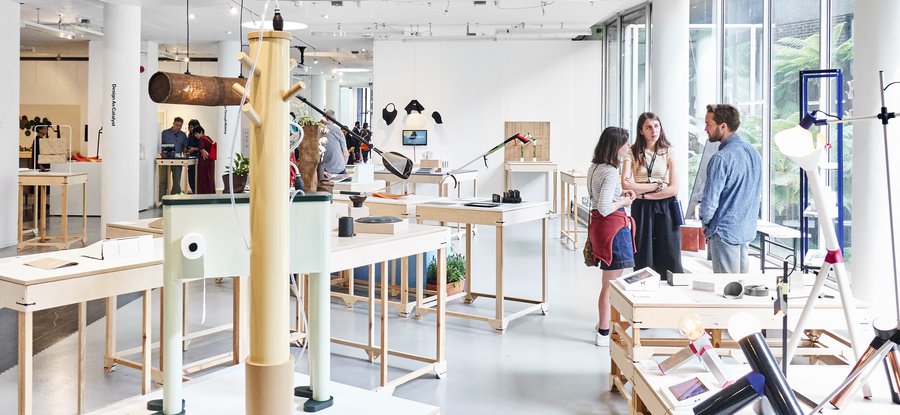
- Challenge and extend your existing practice, developing greater confidence in what you make, how you work and why.
- Learn through research, experimentation and making, using prototypes, probes and interventions to demonstrate solutions and generate new knowledge.
- Work across disciplinary boundaries, drawing on perspectives from design, science, engineering, technology, social research, business, the arts and beyond.
- Develop keen discernment as a designer, learning to navigate uncertainty, competing priorities and the ethical consequences of design decisions.
- Consider products in relation to wider systems of care, resources, technology, society and ecology, and examine the relationships they create and sustain.
- Identify opportunities rather than simply respond to problems, asking where design can contribute meaningfully and where established assumptions need to be challenged.
Products do more than meet needs. They embody assumptions about what matters, about who they are for, about how resources should be used to create and sustain them, and about what kinds of futures are possible through their creation. An object shapes a world.
At a time of rapid technological, ecological and social change, product design demands more than the ability to solve predefined problems. Designers need to recognise which questions are worth pursuing, and to make discerning decisions about how to do so under conditions of deep complexity and uncertainty.
Design Products builds on a legacy of radical experimentation in product design
The Design Products MA/MDes programme asks you to explore what a product can be, what design can do, and where your own practice might lead. You might work through objects, materials and manufacturing, emerging technologies, digital and computational systems, experiences, services or interventions. Rather than prescribing a single definition of product design, we encourage you to develop a distinctive position of your own – grounded in research and sharpened through ambitious experimentation and critique.
The aim is not to produce one kind of designer. It is to help you develop a rigorous, adaptive practice capable of leading in a field whose boundaries are continually changing.
From ideas to impact
Design Products combines intellectual enquiry with material and practical experimentation. Throughout the programme, you will move between large questions and tangible interventions: researching complex contexts, testing ideas through prototypes and experiments, engaging with external expertise, and learning how design propositions change when they encounter people, materials, technologies and real-world conditions.
Our understanding of impact is broader than the production of a successful object
A project might introduce a new material practice, make an overlooked relationship visible, challenge an established system, create new forms of interaction, open a new field of enquiry, or develop into a product, service, venture or independent practice.
You will study within a diverse international community of designers and practitioners and have opportunities to connect your work with expertise across the RCA and beyond. Design Products has a long history of producing designers whose practices have expanded the possibilities of the discipline, and we see that spirit of experimentation as central to its future.
Graduates take their work in many directions – from product and industrial design to materials, technology, research, entrepreneurship, interaction, strategic and speculative practice. Whatever direction you pursue, the programme is intended to cultivate designers who respond to uncertainty with curiosity and boldness, balanced with critical reflection and discernment.
Design Products can be taken as a one-year MA or a two-year MDes programme. MDes students follow the MA curriculum for year one before progressing to year two of the programme.
The second year of the MDes creates time and space to take the questions, practices and ambitions developed during the first year significantly further. In year two you will extend the direction established through your first-year Independent Research Project, building deeper expertise, relationships and experience within contexts relevant to your work. The emphasis shifts towards understanding the ecology required to sustain a practice: the collaborators, stakeholders, resources, knowledge, audiences and forms of value that allow ideas to develop beyond the College.
For full details of the MA and MDes curriculum view the Curriculum tab above.
Please make sure you apply for the programme you wish to study:
- If you wish to study for the one year programme, please apply for the MA.
- If you wish to study for the two year programme, please apply for the MDes.
- There is no guaranteed progression from the MA to MDes and changing programme length may create challenges with student visas or finances.
Explore further and register your interest
Catch the replays from our latest online Open Day.
Watch portfolio advice from the programme team.
Student and alumni stories
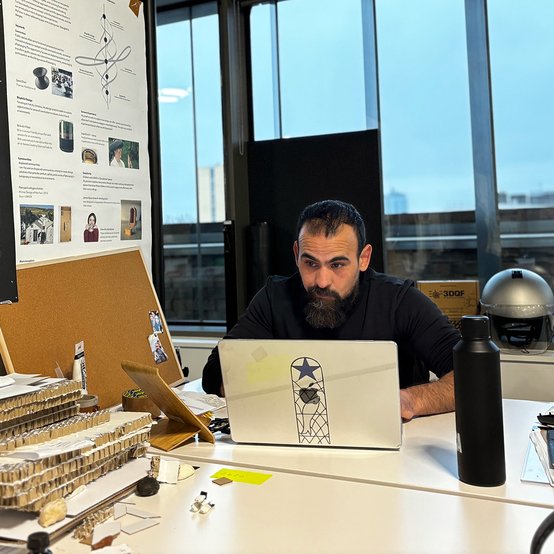
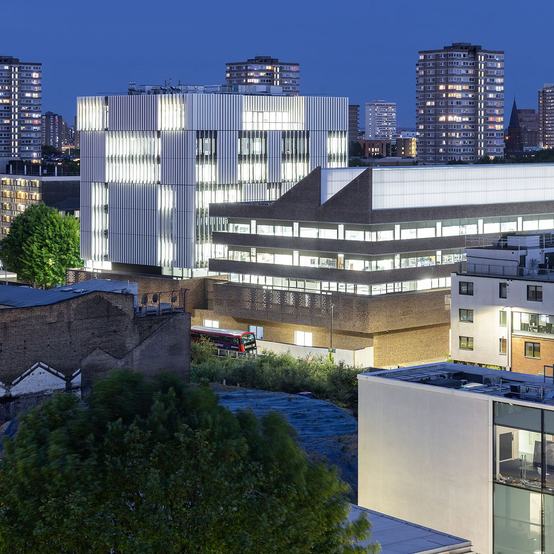

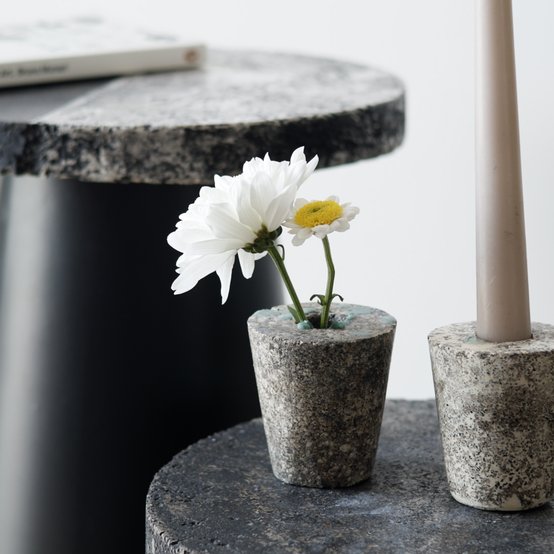
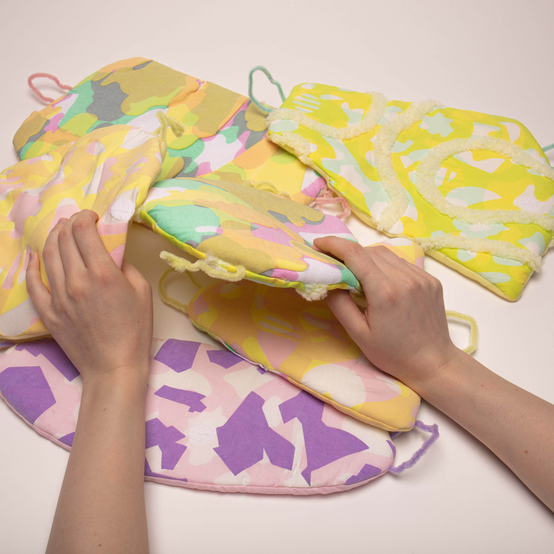
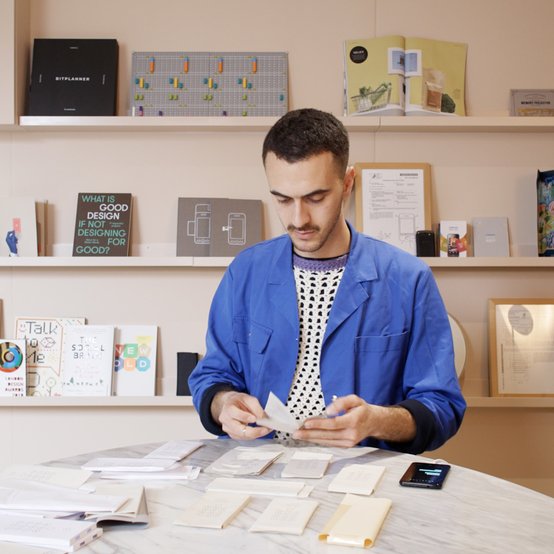


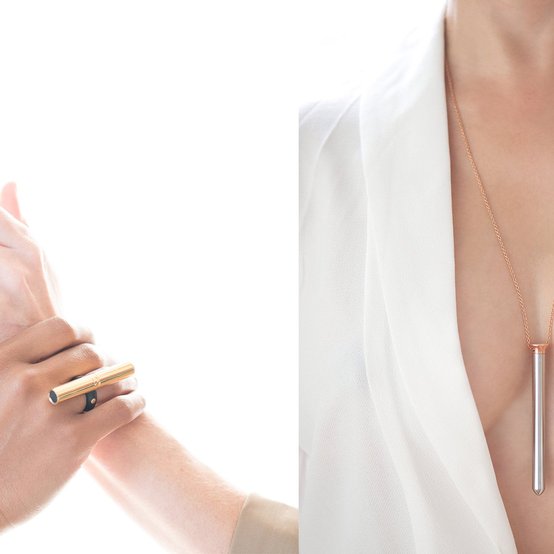
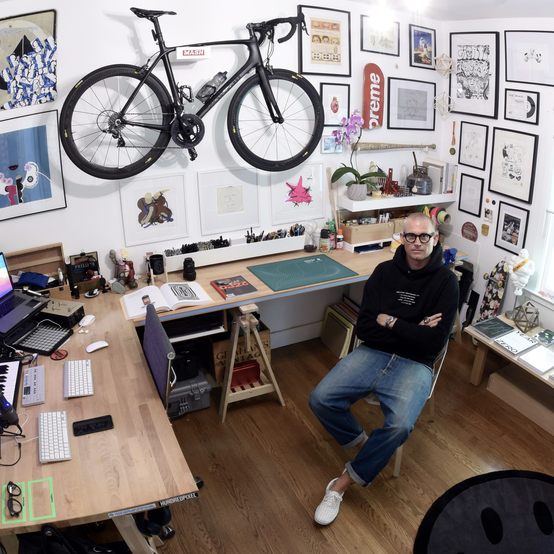

Gallery
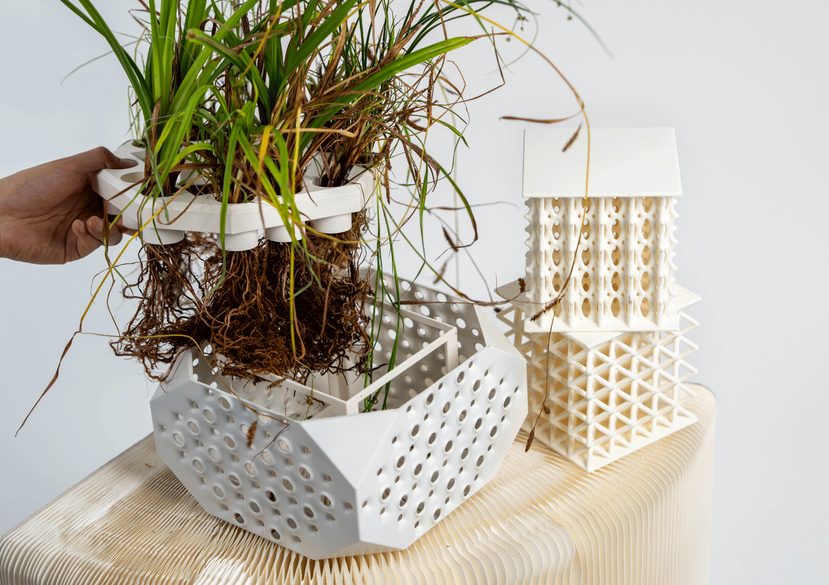
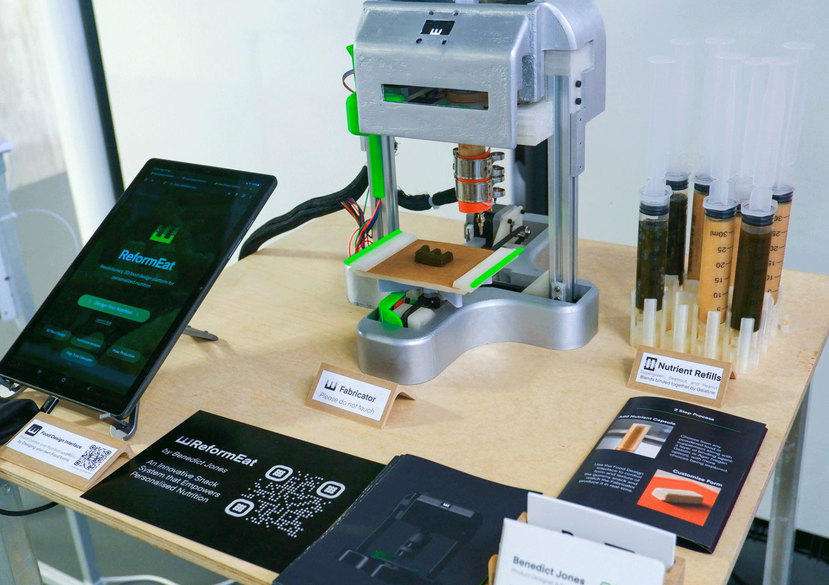
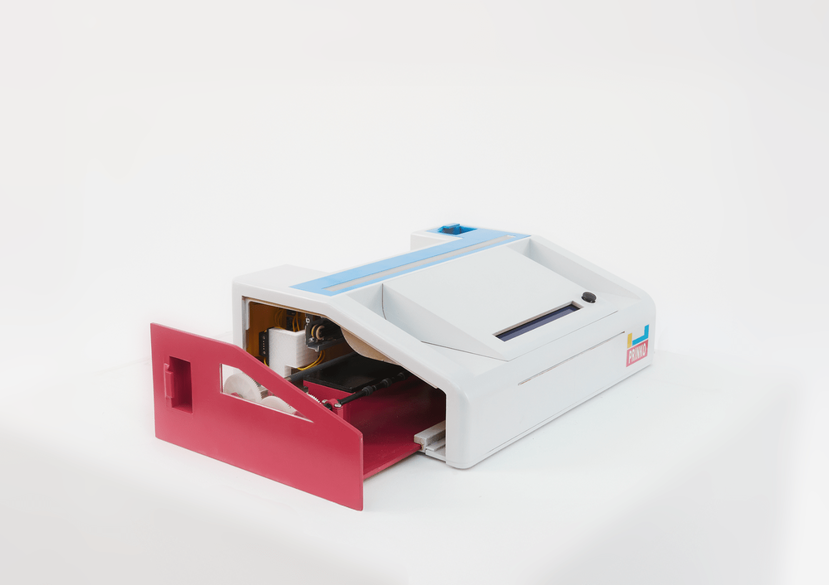
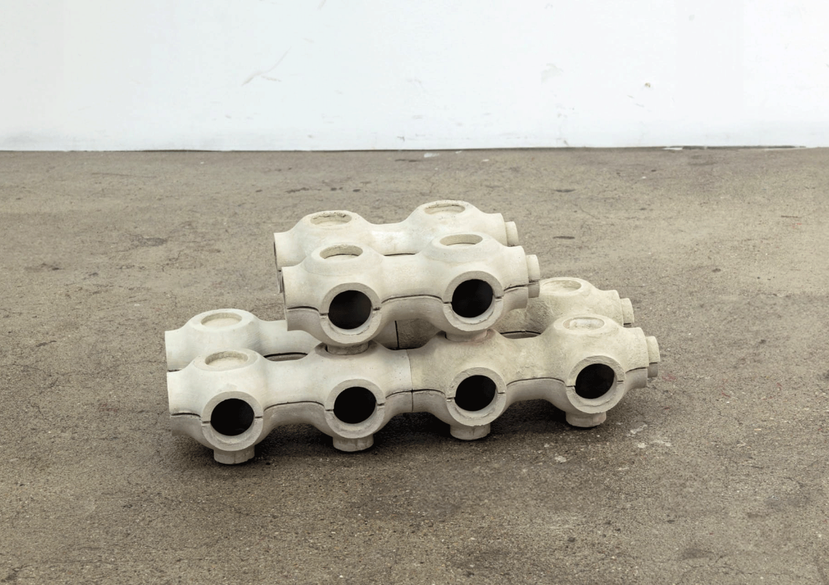


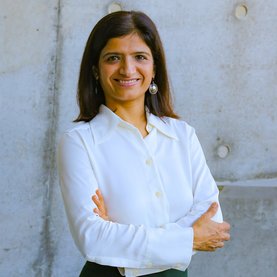
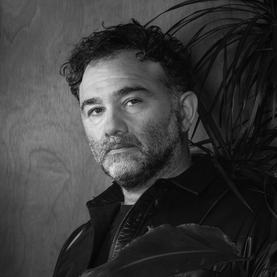
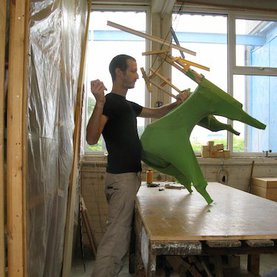
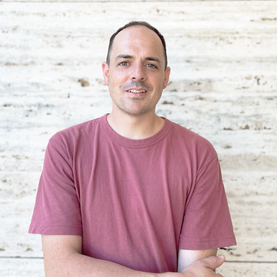
Staff






Facilities
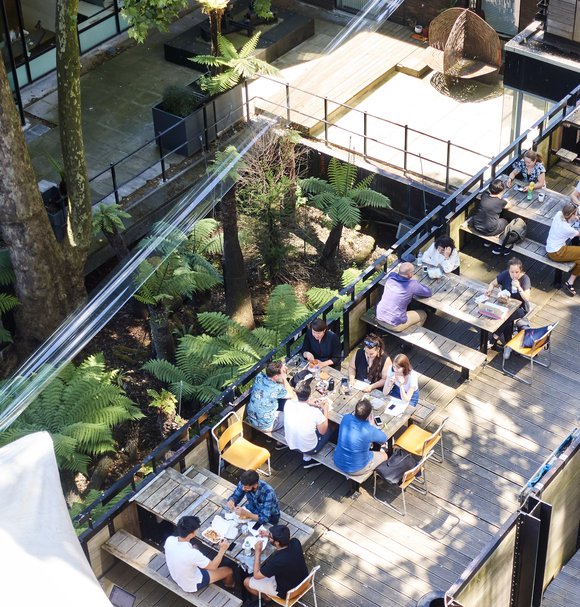
The School of Communication & Design is currently located across all three of our campuses.
View all facilitiesOur mixed-use studios encourage collaborative working, thought, awareness and action. In addition, you have access to craft and technical workshop areas and excellent technical support in the College.
Our alumni
Our alumni form an international network of creative individuals who have shaped and continue to shape the world. Click on each name to find out more.
Where will the RCA take you?More details on what you'll study.
Find out what you'll cover in this programme.
What you'll cover
How will I learn?
You will learn through a range of teaching typologies in each unit including briefing, critique, exhibition, group tutorial, individual tutorial, lectures, seminars, demonstrations, workshops, peer reviews and independent study. Each unit will comprise of one or more projects which will develop learning up to the assessment point.
We will formally assess learning once in each unit with a formative and summative assessment. A critique or demonstration will be used for either the formative or summative assessment with asynchronous assessment methods including explanatory short video, desktop display, portfolio, visual presentation, and demonstration used for the other assessment point. The formative assessment will provide you with feedback on the strengths and weaknesses of their work-to-date and recommend strategies for improving learning to enhance the outcome of the summative assessment.
You will submit work in a range of both digital and physical formats depending on the unit project briefs. Examples of submission formats include writing, videos, 2D drawings, sketches and diagrams to test rigs, proof of principle, demonstrators, simulations, prototypes or models.
You will also learn from your fellow students, and they will learn from you. Each year a global cohort of students from diverse backgrounds, careers and life experiences joins our community. Peer-to-peer learning is a vital part of the RCA experience and this range of perspectives enriches students, igniting new ways of thinking and sparking innovation.
Outside of campus experience, you will have opportunities to explore London and immerse yourself in Europe's creative and cultural capital.
Programme structure
Design Products offers two routes: a one-year MA and a two-year MDes. Both begin with a common first year in which you develop an increasingly independent design practice through research, experimentation, making and critical reflection.
Throughout the programme, we ask you to think expansively about what a product can be, what it does, and the relationships and systems of which it becomes part. Products may be physical or digital, experimental or speculative; they may operate at the scale of an object, an interaction, a community or a wider system. What connects them is a commitment to exploring how design can engage critically and creatively with contemporary life.
You will work across materials, technologies, methods and contexts, learning through critical experimentation and collaboration. Rather than following a single model of product design, you will be encouraged to develop a distinctive practice of your own: one that is intellectually grounded, technically and creatively ambitious, attentive to its consequences, and capable of evolving as the world around it changes.
The first year moves through three broad stages: locating and expanding your practice; deepening and testing; and bringing this learning together through an independent research project.
These will include:
Year 1
Term 1: Locate and expand your practice
Your first term is a period of orientation, exploration and experimentation.
In Locating Practice, you will examine where your existing practice sits within a changing design landscape and consider where you want it to go. You will strengthen your research skills, identify areas for technical and intellectual development, and explore ways of connecting research with making. Through projects, proposals, probes and prototypes, you will develop ways to research, frame, test and communicate ideas through design.
Alongside this, Experimental Design encourages you to stretch the boundaries of your practice. Through fast-moving experiments and exploratory projects, you will work with different methods, materials and technologies and learn through iteration, testing and productive failure. Your experiments might be physical, digital, material, computational, biological or performative, and could take the form of products, artefacts, prototypes, interventions or propositions that challenge conventional definitions altogether.
The aim is not simply to produce more ideas, but to become a more adaptive and reflective designer: able to work with uncertainty, recognise unexpected possibilities and choose methods appropriate to the questions you are pursuing.
Term 2: Deepen, connect and test
In the second term, the emphasis moves from expanding possibilities towards developing depth, position and responsibility.
Through Advanced Practice, you will deepen particular areas of your emerging practice and explore how design operates within larger social, technological, cultural and ecological contexts. Working collaboratively, you will use research, experimentation, prototypes and probes to investigate complex questions, engage with stakeholders and external expertise, and test not only whether an idea can work but what it might mean, whom it affects and what responsibilities it creates.
You will encounter knowledge and perspectives from beyond product design and be encouraged to engage with practitioners and disciplines such as engineering, science, architecture, anthropology and the arts. Through this process, you will begin to establish a more confident position of your own while learning how your practice relates to wider communities of knowledge and practice.
Also in Term 2, a choice of elective units will allow you to shape your own learning journey. You will have the opportunity to work alongside students from other programmes, bringing your practice into dialogue with the creative approaches of your peers. This could either be through tackling ‘wicked’ design problems from a range of different perspectives, by collaborating on themed interdisciplinary projects, or by exploring how mutual exchanges of ideas and interpretations can foster a socially engaged practice. A full list of elective options will be published in 2027.
By the end of the term, the different strands of the year begin to converge: the questions you care about, the methods you have developed, the materials and technologies you work with, and the kind of designer you are becoming.
Term 3: Bring your practice together
The Independent Research Project (IRP) is the culmination of the first year.
Here, you take increasing ownership of an ambitious project that brings together the research, experimentation, making and critical thinking developed throughout the programme. Rather than responding to a tightly prescribed brief, you define and pursue a design question of your own and determine the methods, collaborations and forms through which it can best be explored.
The mode of learning consequently shifts towards supervision and independent practice. You will spend much of your time developing and making your work, supported by strategic academic supervision and negotiated technical support.
The IRP is an opportunity to demonstrate the position that drives your practice: what you believe design can contribute, how your work relates to contemporary practice, and what new territory your project might open.
Your project culminates in public presentation and exhibition, creating an opportunity to communicate your work, encounter responses to it and reflect on what you have learned.
For MA students, this completes an intensive 45-week programme and provides a foundation from which to take your developing practice into professional, entrepreneurial, research or further creative contexts.
Year 2
From project to sustained practice
For students taking the two-year MDes route, Year 2 creates time and space to take the questions, practices and ambitions developed during the first year significantly further.
Where Year 1 culminates in an independent project, Year 2 asks a different question: how might that work develop into a sustained practice capable of operating in the world?
You will extend the direction established through your Independent Research Project, building deeper expertise, relationships and experience within the contexts relevant to your work. Depending on your practice, these might include industry and manufacturing, research, cultural organisations, communities, emerging technologies, entrepreneurship or other professional and public contexts.
In the second year, the emphasis shifts from developing an individual project, towards understanding the ecology required to sustain a practice: the collaborators, stakeholders, resources, knowledge, audiences and forms of value that allow ideas to develop beyond the College.
Term 4: Build the conditions for practice
Through Professional Development & Contextual Framing, you will explore the professional and wider context in which your practice could develop.
You will identify and build relationships with relevant collaborators, organisations, clients, stakeholders, facilities and other forms of expertise, learning to negotiate the practical conditions through which ambitious design work becomes possible.
Professional development here is understood broadly. For some students this may involve establishing a studio or commercial proposition; for others it may mean developing a research-led, socially engaged, technological or collaborative practice.
The aim is to move beyond thinking about a project in isolation and begin building the network of relationships through which your practice can have agency and impact.
Terms 5 and 6: Develop and test a sustained practice
During the MDes Major Project, you will put this developing practice into action.
Working increasingly beyond the immediate environment of the programme, you will draw upon the relationships and contexts established during the previous term to develop, test and refine your work. You will learn through the realities of collaboration and professional engagement: negotiating different interests, responding to constraints, adapting your ideas and understanding how value is created and communicated within your chosen field.
Success is not defined simply by establishing a fully sustainable practice within the year. The emphasis is also on the learning and development involved in trying to make a practice viable – understanding what works, what changes when ideas encounter real contexts, and how your practice might continue to evolve beyond the RCA.
The two-year MDes is delivered over 90 weeks, comprising 45 weeks of study in each year.





Requirements
What you need to know before you apply
Candidates are selected entirely on merit and applications are welcomed from all over the world. The selection process considers creativity, imagination and innovation as demonstrated in your portfolio, as well as your potential to benefit from the programme and to achieve high Master's standards overall.
For Design Products, you should have a good undergraduate degree or equivalent in an area of design, or related background and proficient written and spoken English. Several years of professional experience, either before or after a first degree, is a benefit, and you must be able to demonstrate critical and innovative thinking, a design curiosity and the ability to thrive in student led projects.
Applications are welcomed from candidates from related backgrounds, such as engineering, architecture, communication, sports science, medical/health, international development/NGO, economics/business, material science, technology development and user experience.
What's needed from you
Portfolio requirements
We are looking for people from all backgrounds who are interested in using design to solve problems and enrich lives. Use your portfolio to highlight your work and skills. We especially want to understand your thinking process, how to you frame problems and tackle them, how you measure success and learn from challenges.
- Portfolio (required)
We want to see the depth and quality of your work, especially your approach to design work, interests, and ambitions.
Pick your best projects to include that highlight your technical skills and design thinking process.
- Communicate the story of each project: the motivations, specific design problems, how you solved them, what you learned through testing/iteration
- Highlight challenges or failures and how they were addressed
- Works in progress may be included
- Works that has been deployed in public (to real-world/places/people) is especially valuable
- Clearly identify your role and specific contributions when including group projects
- Any kind of project is acceptable. Even from a non 'design' field, tell us about it as outlined above
- Research/Project agenda (required)
Tell us about your specific research plans. What is your area of interest within the field of design and what types of problems do you want to pursue while in the programme?
It should be:
- 600–800 words, submitted in pdf format
- Propose a research question that you are interested in exploring through the Design Products programme
- Define your motivation and the significance (i.e., what is the potential benefit) of the problem you would like to investigate
- Provide some referenced background describing how the problem is grounded in the field of design (i.e., what has been done in the past and why the issue you are interested in currently exists)
- Your Interests (optional)
Tell us about any other interests or activities you take part in: anything else that informs your interests, how you view the world, and helps to enrich your process and learning.
Do you:
- work in a lab, maker space, or participate in a technical club/group?
- collect interesting things?
- travel extensively?
- regularly visit exhibitions/museums?
Personal statement
Please provide a 300-word written personal statement that addresses the following points:
- Introduce yourself, your interests and your motivations for applying to the Royal College of Art, and to this programme in particular.
- Briefly summarise any educational background and professional experience to date that will support your application.
- Tell us what you want to do in the future.
Video requirements
You must submit a video of no more than two minutes as part of the application process.
We would like you to pick a ‘designed work’ and create a video reflecting on:
- how was it successful or influential
- what are the positive and negative attributes about how it was used/applied
- how would you improve or re-do the design if you could
This can be an example of your own work or something in the public domain. Use this to articulate your view on the role that design can play in impacting the world
English-language requirements
If you are not a national of a majority English-speaking country you will need the equivalent of an IELTS Academic or UKVI score of 6.5 overall (with a minimum of 5.5 in every component). Students achieving a grade of at least 6.0, with a grade of 5.5 in the Test of Written English, may be eligible to take the College’s English for Academic Purposes course to enable them to reach the required standard.
You are exempt from this requirement if you have received a 2.1 degree or above from a university in a majority English-speaking nation within the last five years.
If you need a Student Visa to study at the RCA, you will also need to meet the Home Office’s minimum requirements for entry clearance.
Fees & funding
For this programme
Fees for new students
Fees for September 2027 entry on this programme are outlined below. From 2021 onward, EU students are classified as Overseas for tuition fee purposes.
Home
Overseas and EU
Deposit
New entrants to the College will be required to pay a non-refundable deposit in order to secure their place. This will be offset against the tuition fees. Deposits for 2027 entry can be found below.
Home
Overseas and EU
Progression discount
For alumni who have completed an RCA Graduate Diploma and progress onto an RCA Master's programme, a progression discount of £1,000 is available. For alumni progressing from an RCA Master's to another RCA Master's, a progression discount of £2,000 is available (£1,000 per year for part-time programmes).
* Total cost is based on the assumption that the programme is completed in the timeframe stated in the programme details. Additional study time may incur additional charges.
Scholarships
Scholarships
Each year, the RCA scholarship programme supports hundreds of students. The following are examples of scholarships awarded for 2026/27, with additional awards added throughout the year.
Eranda Rothschild Scholarship
Eligible programmes: Writing MA, Animation MA, Design Products MA/MDes
Other criteria: None
Eligible fee status: Home fee status
Value: Full fees and maintenance
GREAT Scholarship
In partnership with the British Council and the GREAT Britain Campaign, the RCA has announced the third year of GREAT Scholarships. For 2026/27 we are offering two scholarships to students from India and Turkey.
Eligible programmes: Interior Design MA, Environmental Architecture & Urban Design MA, Ceramics & Glass MA, Contemporary Art Practice MA/MFA, Curating Contemporary Art MA, V&A/RCA History of Design MA, Jewellery & Metal MA, Painting MA, Photography MA, Print MA, Sculpture MA, Writing MA, Animation MA, Digital Narrative Arts MA/MFA, Information Experience Design MA, Visual Communication MA, Design Products MA/MDes, Fashion MA, Intelligent Mobility Design MA/MDes, Service Design MA, Textiles MA, Creative Education MEd, Communication MFA, Master of Research RCA MRes, Design Futures MA, Arts & Humanities MFA, Design Practice MArch
Other criteria: None
Eligible fee status: Overseas fee status
Value: £10,000 toward fees
House of Fraser Bursary
Eligible programmes: Architecture MArch (ARB/RIBA), Interior Design MA, Environmental Architecture & Urban Design MA, Ceramics & Glass MA, Contemporary Art Practice MA/MFA, Curating Contemporary Art MA, V&A/RCA History of Design MA, Jewellery & Metal MA, Painting MA, Photography MA, Print MA, Sculpture MA, Writing MA, Animation MA, Digital Narrative Arts MA/MFA, Information Experience Design MA, Visual Communication MA, Design Products MA/MDes, Fashion MA, Innovation Design Engineering MA/MSc, Intelligent Mobility Design MA/MDes, Service Design MA, Textiles MA
Other criteria: None
Eligible fee status: Home fee status
Value: £10,000 toward fees
Leathersellers' Bursary
For students using leather in their practice
Eligible programmes: Architecture MArch (ARB/RIBA), Interior Design MA, Environmental Architecture & Urban Design MA, Ceramics & Glass MA, Contemporary Art Practice MA/MFA, Curating Contemporary Art MA, V&A/RCA History of Design MA, Jewellery & Metal MA, Painting MA, Photography MA, Print MA, Sculpture MA, Writing MA, Animation MA, Digital Narrative Arts MA/MFA, Information Experience Design MA, Visual Communication MA, Design Products MA/MDes, Fashion MA, Innovation Design Engineering MA/MSc, Intelligent Mobility Design MA/MDes, Service Design MA, Textiles MA
Other criteria: None
Eligible fee status: Home or overseas status
Value: £6,000 towards living costs
Pokémon Scholarship
Eligible programmes: Architecture MArch (ARB/RIBA), Ceramics & Glass MA, Jewellery & Metal MA, Sculpture MA, Digital Narrative Arts MA/MFA, Information Experience Design MA, Visual Communication MA, Design Products MA/MDes, Fashion MA, Innovation Design Engineering MA/MSc, Intelligent Mobility Design MA/MDes, Textiles MA
Other criteria: None
Eligible fee status: Home or overseas status
Value: If Home: Full Tuition Fee & Maintenance. If Overseas: Tuition Fee Discount
RCA President & Vice-Chancellor’s International
Round 1 and 2 programme applications will be automatically assessed for one of these scholarships. If you are successful, you will be told about this at the same time as receiving your RCA programme offer.
Eligible programmes: Architecture MArch (ARB/RIBA), Interior Design MA, Environmental Architecture & Urban Design MA, Ceramics & Glass MA, Contemporary Art Practice MA/MFA, Curating Contemporary Art MA, V&A/RCA History of Design MA, Jewellery & Metal MA, Painting MA, Photography MA, Print MA, Sculpture MA, Writing MA, Animation MA, Digital Narrative Arts MA/MFA, Information Experience Design MA, Visual Communication MA, Design Products MA/MDes, Fashion MA, Innovation Design Engineering MA/MSc, Intelligent Mobility Design MA/MDes, Service Design MA, Textiles MA, Creative Education MEd, Communication MFA, Master of Research RCA MRes, Design Futures MA, Arts & Humanities MFA, Design Practice MArch
Other criteria: Applicants from Australia, Brazil, Canada, Chile, Colombia, Denmark, Egypt, France, Germany, Greece, Hong Kong, India, Indonesia, Israel, Italy, Japan, Malaysia, Mexico, Netherlands, Nigeria, Pakistan, Palestine, Poland, Portugal, Saudi Arabia, Singapore, South Korea, Spain, Switzerland, Taiwan, Thailand, Turkey, UAE, USA
Eligible fee status: Overseas fee status
Value: £9,000 toward fees
RCA President & Vice-Chancellor’s UK Scholarship
Round 1 and 2 programme applications will be automatically assessed for one of these scholarships. If you are successful, you will be told about this at the same time as receiving your RCA programme offer.
Eligible programmes: Architecture MArch (ARB/RIBA), Interior Design MA, Environmental Architecture & Urban Design MA, Ceramics & Glass MA, Contemporary Art Practice MA/MFA, Curating Contemporary Art MA, V&A/RCA History of Design MA, Jewellery & Metal MA, Painting MA, Photography MA, Print MA, Sculpture MA, Writing MA, Animation MA, Digital Narrative Arts MA/MFA, Information Experience Design MA, Visual Communication MA, Design Products MA/MDes, Fashion MA, Innovation Design Engineering MA/MSc, Intelligent Mobility Design MA/MDes, Service Design MA, Textiles MA, Creative Education MEd, Communication MFA, Master of Research RCA MRes, Design Futures MA, Arts & Humanities MFA, Design Practice MArch
Other criteria: None
Eligible fee status: Home fee status
Value: £5,000 toward fees
The RCA Sanctuary Scholarship
For full details please see here: www.rca.ac.uk/study/apply-to-study/funding-your-studies/rca-scholarships-and-awards/the-rca-sanctuary-scholarship/
Eligible programmes: Interior Design MA, Environmental Architecture & Urban Design MA, Ceramics & Glass MA, Contemporary Art Practice MA/MFA, Curating Contemporary Art MA, V&A/RCA History of Design MA, Jewellery & Metal MA, Painting MA, Photography MA, Print MA, Sculpture MA, Writing MA, Animation MA, Digital Narrative Arts MA/MFA, Information Experience Design MA, Visual Communication MA, Design Products MA/MDes, Fashion MA, Intelligent Mobility Design MA/MDes, Service Design MA, Textiles MA, Creative Education MEd, Communication MFA, Master of Research RCA MRes, Design Futures MA, Arts & Humanities MFA, Design Practice MArch
Other criteria: None
Eligible fee status: Home or overseas status
Value: Full fees & support package up to the value of £20,000 pa (depending on the awardee’s circumstances)
The RCA UK Cost of Living Scholarship
Eligible programmes: Architecture MArch (ARB/RIBA), Interior Design MA, Environmental Architecture & Urban Design MA, Ceramics & Glass MA, Contemporary Art Practice MA/MFA, Curating Contemporary Art MA, V&A/RCA History of Design MA, Jewellery & Metal MA, Painting MA, Photography MA, Print MA, Sculpture MA, Writing MA, Animation MA, Digital Narrative Arts MA/MFA, Information Experience Design MA, Visual Communication MA, Design Products MA/MDes, Fashion MA, Innovation Design Engineering MA/MSc, Intelligent Mobility Design MA/MDes, Service Design MA, Textiles MA, Creative Education MEd, Communication MFA, Master of Research RCA MRes, Design Futures MA, Arts & Humanities MFA, Design Practice MArch
Other criteria: None
Eligible fee status: Home fee status
Value: £5,000 towards living costs
The RCA UK Disabled Students’ Scholarship
For students who identify as D/deaf or disabled
Eligible programmes: Architecture MArch (ARB/RIBA), Interior Design MA, Environmental Architecture & Urban Design MA, Ceramics & Glass MA, Contemporary Art Practice MA/MFA, Curating Contemporary Art MA, V&A/RCA History of Design MA, Jewellery & Metal MA, Painting MA, Photography MA, Print MA, Sculpture MA, Writing MA, Animation MA, Digital Narrative Arts MA/MFA, Information Experience Design MA, Visual Communication MA, Design Products MA/MDes, Fashion MA, Innovation Design Engineering MA/MSc, Intelligent Mobility Design MA/MDes, Service Design MA, Textiles MA, Creative Education MEd, Communication MFA, Master of Research RCA MRes, Design Futures MA, Arts & Humanities MFA, Design Practice MArch
Other criteria: None
Eligible fee status: Home fee status
Value: £6,000 towards living costs
The Sir Frank Bowling Scholarship
For students identifying as Black or Black British - Caribbean, Black or Black British - African, Other Black background, Mixed - White and Black Caribbean, Mixed - White and Black African
Eligible programmes: Architecture MArch (ARB/RIBA), Interior Design MA, Environmental Architecture & Urban Design MA, Ceramics & Glass MA, Contemporary Art Practice MA/MFA, Curating Contemporary Art MA, V&A/RCA History of Design MA, Jewellery & Metal MA, Painting MA, Photography MA, Print MA, Sculpture MA, Writing MA, Animation MA, Digital Narrative Arts MA/MFA, Information Experience Design MA, Visual Communication MA, Design Products MA/MDes, Fashion MA, Innovation Design Engineering MA/MSc, Intelligent Mobility Design MA/MDes, Service Design MA, Textiles MA, Creative Education MEd, Communication MFA, Master of Research RCA MRes, Design Futures MA, Arts & Humanities MFA, Design Practice MArch
Other criteria: None
Eligible fee status: Home fee status
Value: Full fees and maintenance
The Virgil Abloh Award
Eligible programmes: Ceramics & Glass MA, Contemporary Art Practice MA/MFA, Curating Contemporary Art MA, Jewellery & Metal MA, Painting MA, Photography MA, Print MA, Sculpture MA, Writing MA, Design Products MA/MDes, Fashion MA, Service Design MA, Textiles MA
Other criteria: Students with Black African or Caribbean diaspora heritage, or mixed Black African or Caribbean diaspora heritage
Eligible fee status: Home fee status
Value: £5,000 for living costs
The Virgil Abloh Scholarship
Eligible programmes: Ceramics & Glass MA, Contemporary Art Practice MA/MFA, Curating Contemporary Art MA, Jewellery & Metal MA, Painting MA, Photography MA, Print MA, Sculpture MA, Writing MA, Design Products MA/MDes, Fashion MA, Service Design MA, Textiles MA
Other criteria: Students with Black African or Caribbean diaspora heritage, or mixed Black African or Caribbean diaspora heritage
Eligible fee status: Home fee status
Value: Full fees and maintenance
Even if you do not currently see a scholarship for which you meet the eligibility criteria, we encourage you to apply to be considered for financial support.
Unless otherwise stated, you must apply in either round 1 or 2, and have received an offer of study on an RCA programme to be invited to make a scholarship application. Therefore, we strongly recommend you apply for your programme as early as possible but no later than the round 2 deadline.
More information
Additional fees
In addition to your programme fees, please be aware that you may incur other additional costs associated with your study during your time at RCA. Additional costs can include purchases and services (without limitation): costs related to the purchase of books, paints, textiles, wood, metal, plastics and/or other materials in connection with your programme, services related to the use of printing and photocopying, lasercutting, 3D printing and CNC. Costs related to attending compulsory field trips, joining student and sport societies, and your Convocation (graduation) ceremony.
If you wish to find out more about what type of additional costs you may incur while studying on your programme, please contact the Head of your Programme to discuss or ask at an online or in person Open Day.
We provide the RCASHOP online, and at our Kensington and Battersea Campuses – this is open to students and staff of the Royal College of Art only to provide paid for materials to support your studies.
We also provide support to our students who require financial assistance whilst studying, including a dedicated Materials Fund.
Postgraduate Master’s Loan
Eligible Home students can apply for a Postgraduate Master’s Loan of up to £13,206 (26/27 amount) towards the cost of a two-year Master’s programme.
This means you would receive £6,603 in Year 1 and £6,603 in Year 2.
As the loan covers only part of the tuition fees, you will need to fund the remaining tuition fees and living costs separately.
External funding
There are many funding sources, with some students securing scholarships and others saving money from working. It is impossible to list all the potential funding sources; however, the following information could be useful.
Payments
Tuition fees are due on the first day of the academic year and students are sent an invoice prior to beginning their studies. Payments can be made in advance, on registration or in two instalments.
Experience
The social media content shown here reflects past and current student activity and is provided for illustrative purposes only. Experiences on the programme may vary and are subject to change for future students.
Start your application
Change your life and be here in 2027. Applications now open.
The Royal College of Art welcomes applicants from all over the world.
Before you begin
Make sure you've read and understood the application process and deadlines.
Application key datesCheck you the programme-specific entrance and portfolio requirements on the programme page.
Consider attending an Open Event, either online or in person, or watch recordings of previous events.
See upcoming events and recordingsPlease note, all applications must be submitted by 12 noon on the given deadline.
Ask a question
Get in touch if you’d like to find out more or have any questions.
More opportunities to study at the RCA
Related programmes