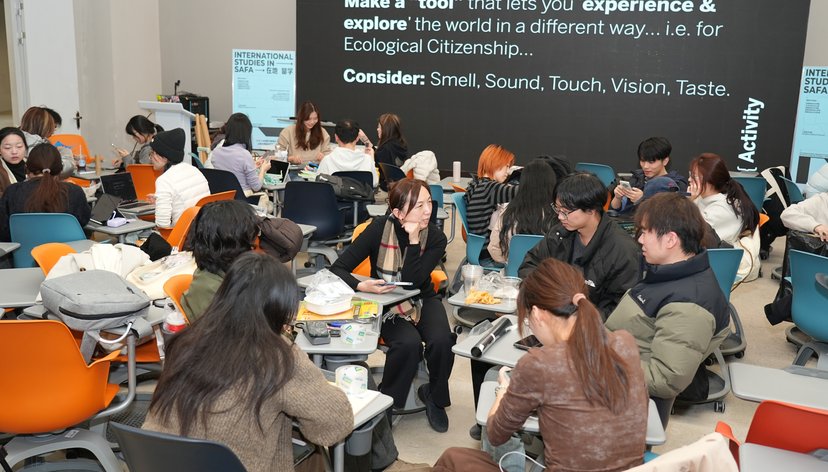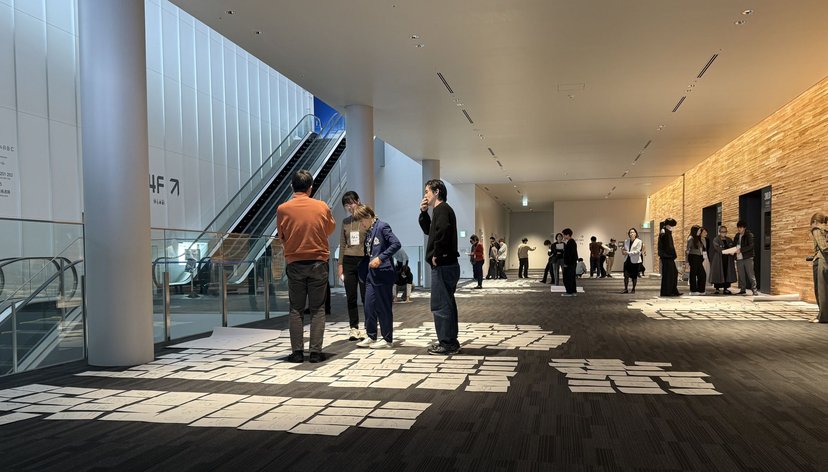
Friction Research Group seeks to understand ways in which practitioners and researchers might explore, experiment with and critically evaluate ‘friction’ within graphic design and communication practices, as a conceptual framing and method informed by collaborative, ethical and participatory practices.
At a glance
- Friction Research Group seeks to understand ways in which practitioners and researchers might explore, experiment with and critically evaluate ‘friction’ within graphic design and communication practices, as a conceptual framing and method informed by collaborative, ethical and participatory practices.
- As an applied practice, our research centres on the co-creation of interdisciplinary methods for community engagement, experimentation and social transformation.
- Friction Research Group works with other disciplines, practices and communities to engage with intertwined social, cultural, political, technological and economic conditions, locally and globally.
- Through the development of new methods and experimental creative risk-taking, we explore how friction might deepen ethical approaches and open more sustainable and inclusive ways of working.
Key details
Gallery
More information
Our challenge
Ours is a world of frictions. Ecological breakdown, social fragmentation, widening inequality and political uncertainty intersect with rapidly changing technologies and traditional structures under strain. These conditions also unsettle established understandings of what graphic design is, who it involves and what it might do in the world.
The Friction Research Group asks what happens when we stay with these conditions. As practitioners, we understand friction as a creative, theoretical and productive condition through which conflicting positions, histories, technologies and ways of thinking can be brought into relation with one another. In doing so, we ask what role graphic design and communication practices might play within the complexities of the worlds they operate in and shape.
Our approach
Three intertwined areas of research form the scaffolding for the Friction Research Group: Community, Education and Industry. Our overarching aim is to question the role of friction in art, design, and communication practices and how it might enhance and respond to technological, social, and ecological transformation with care.
Our community of researchers are exploring:
- Friction as a creative and productive strategy.
- Friction as a lens for rethinking design and social practices.
- Friction as situated in local and global perspectives.
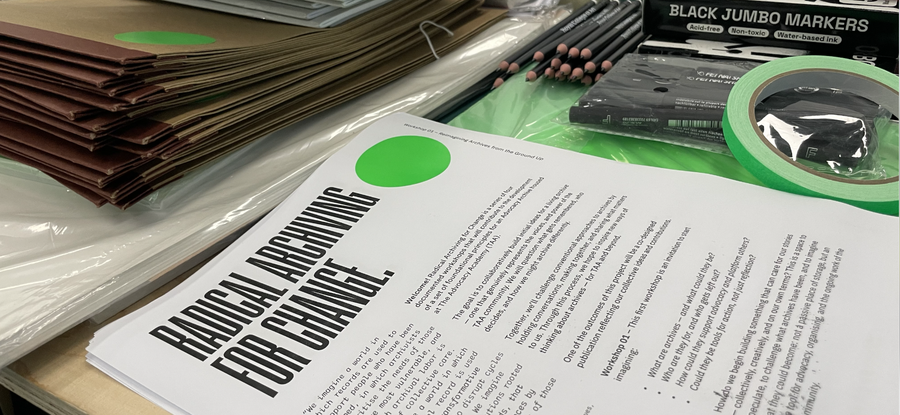
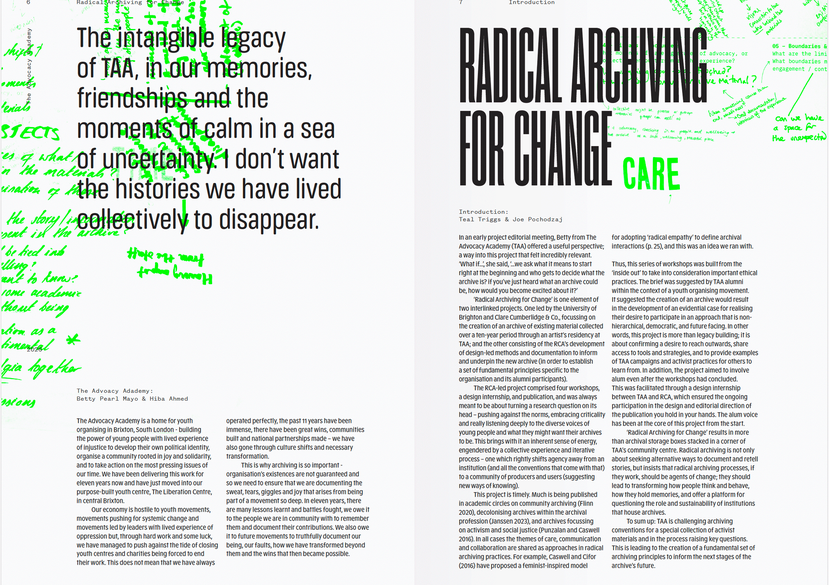
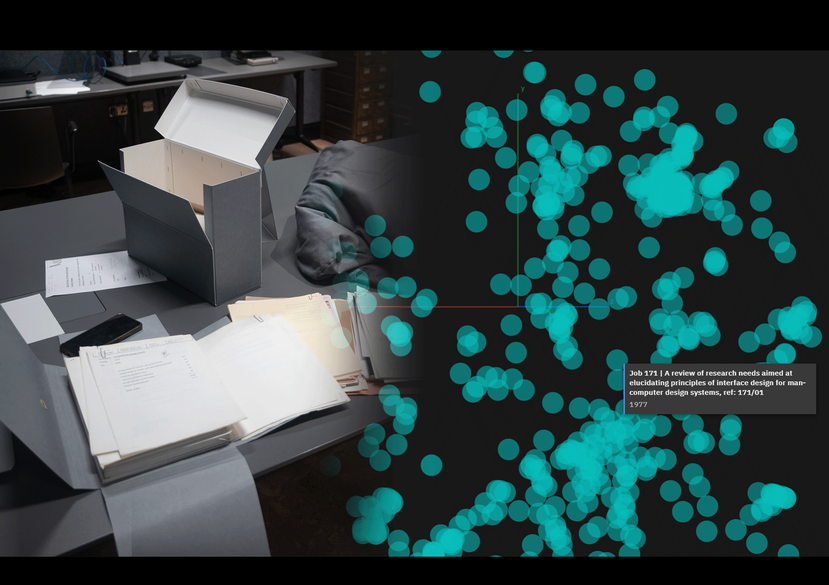
- Friction as an approach for archiving design practice and critically engaging with its plurality of histories.
- Friction in the lived environment in relation to public/private; human/non-human.
- Friction and radical transformation toward graphic engineering.
Outputs
Our research develops across three interconnected areas:
- Community: Participatory practice, social transformation, archives, inclusivity, graphic design histories
- Education: Radical pedagogy, curriculum innovation, intercultural communication, doctoral pedagogy, research-led teaching
- Industry and Professional Practice: Changing conditions of practice, emerging technologies, intergenerational mentoring, new models of professional practice
Research projects are centred around three main areas of interest:
- Community: Participatory, social transformation, archives, inclusivity, graphic design histories
- Education: Radical pedagogy, curriculum and delivery, intercultural communication, doctoral studies pedagogy, research-led teaching
- Industry and Professional Practice: Graphic engineering, intergenerational mentoring
Designing Dissent: form, meaning and research approaches.
Methodologies for studying graphic practices of resistance.
Co-organised by Graphic Design Histories for Creative Dissent (GDHCD); the Friction Research Group (FRG), Royal College of Art; and the Centre for Design History (CDH), University of Brighton. Held at the RCA and online on 30 July 2026.
This one-day hybrid symposium invited PhD researchers to critically engage with the study of graphic design within contexts of protest, resistance and social change. Taking inspiration from current research into the histories and practices of creative dissent, in the context of the international research project ‘Graphic Design Histories for Creative Dissent: Archiving and Ethical Challenges’ (GDHCD), the event focuses on how graphic artefacts (across print and digital media) can be approached as both objects and agents of political expression.
External Collaborations
We welcome conversations on developing funded collaborative projects with communities, educators and industry partnerships around the core themes of Friction.
Recent Collaborations
‘Designing Dissent: form, meaning and research approaches. Methodologies for studying graphic practices of resistance.’ A one-day hybrid symposium co-organised by Graphic Design Histories for Creative Dissent (GDHCD); Friction Research Group (FRG), Royal College of Art; and Centre for Design History (CDH), University of Brighton. Royal College of Art, London. 30 July 2026.