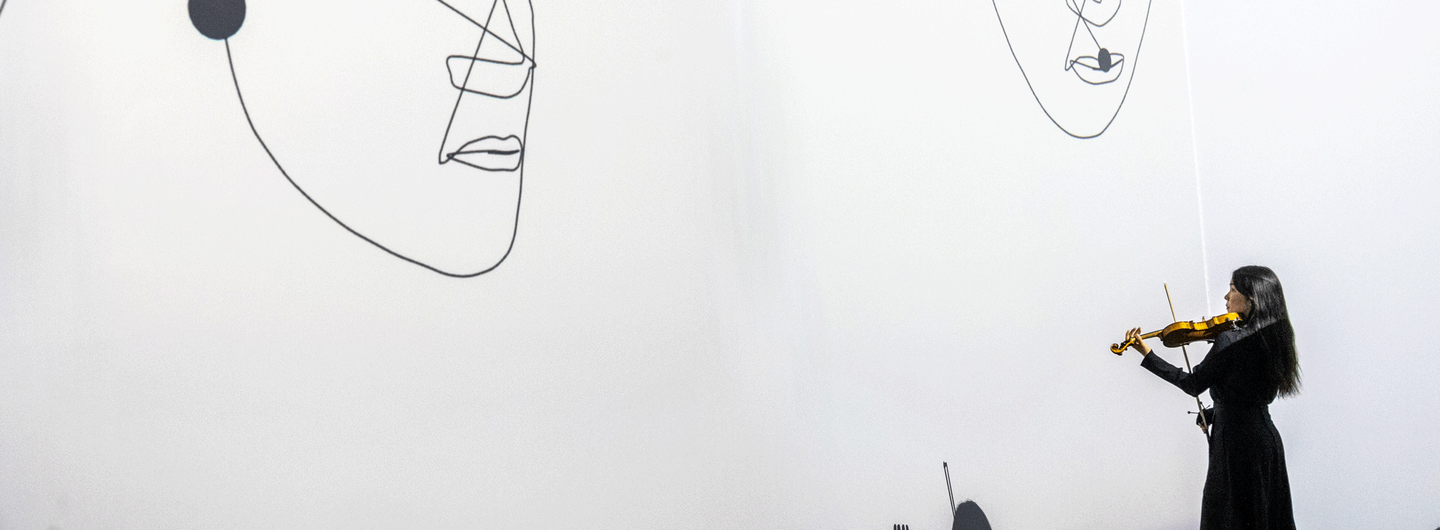
Sounding Bodies explores how immersive technologies can make classical music performance more participatory, accessible and engaging for young people.
At a glance
- Sounding Bodies sees young musicians and teachers co-design immersive classical music experiences, shaping how movement, sound and audience interaction come together.
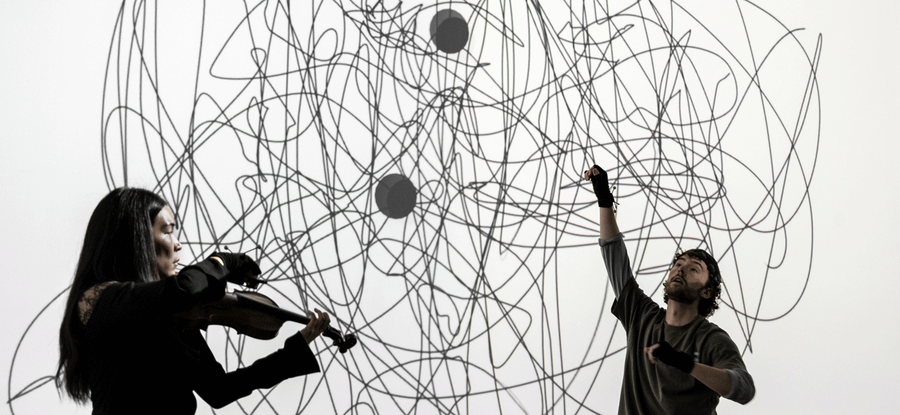
- The project combines motion capture, responsive visuals and AI improvisation to turn musical performance into a shared, interactive environment.
- Working with ARCO - Music for All & Kingston School of Art, the research involves young people from communities underrepresented in classical music and XR research.
- The project will develop an accessible, open-source toolkit that can extend the experience beyond specialist XR facilities into community music settings.
Key details
Gallery
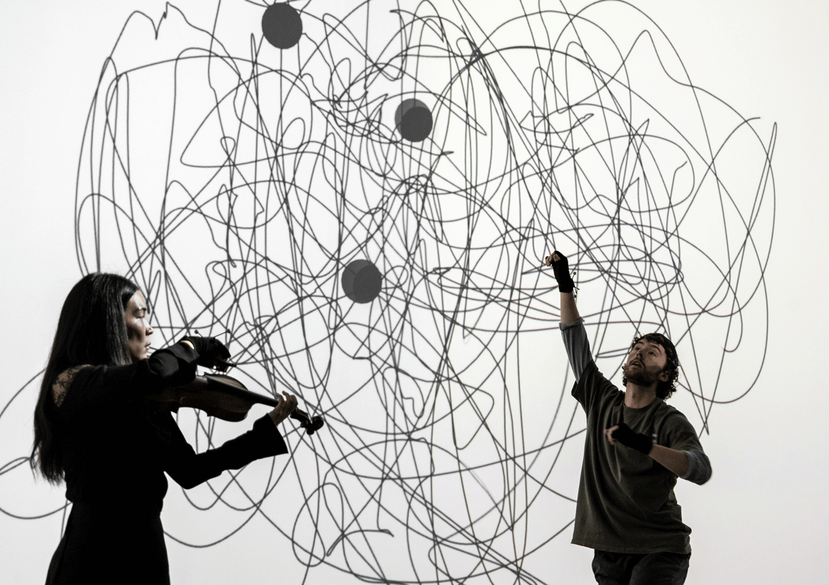
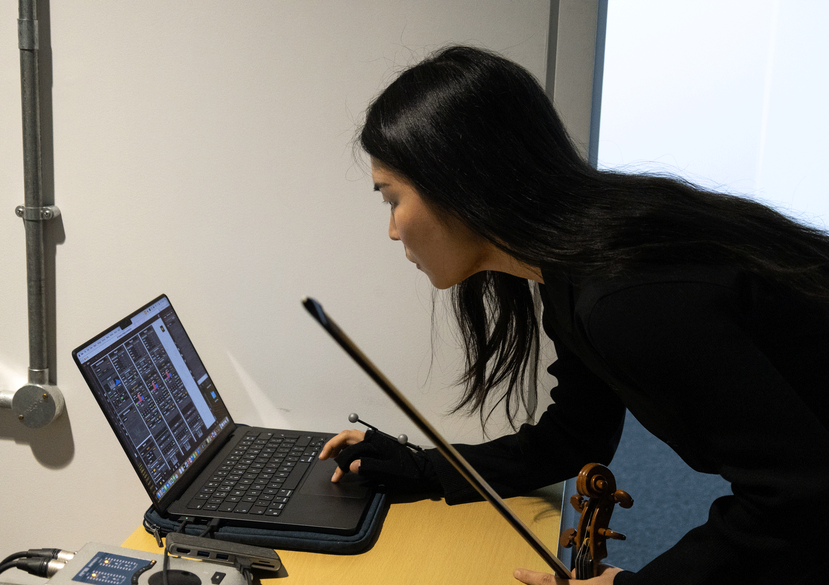
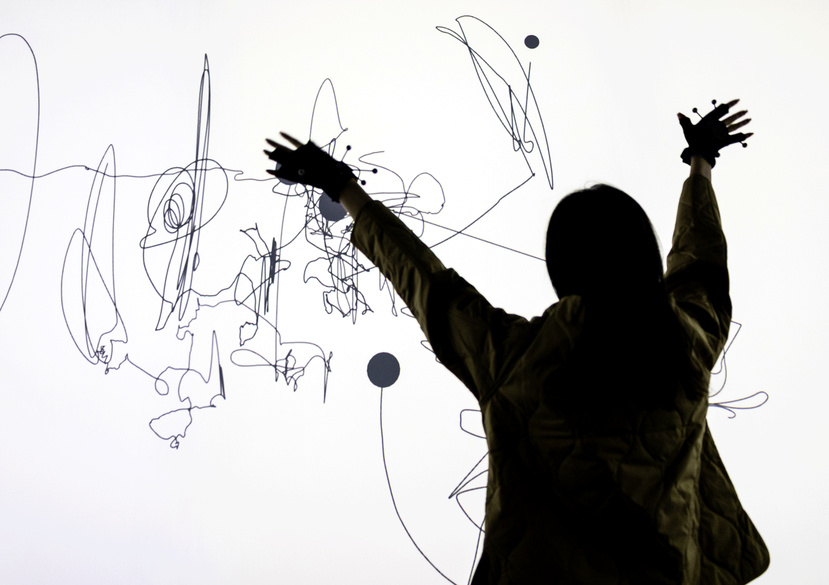
More information
The challenge
Classical music performance is often structured around a clear divide between performer and audience, with limited opportunities for younger audiences to shape the experience themselves. At the same time, immersive technologies capable of creating more responsive and participatory live experiences are usually developed within specialist environments that are difficult for community organisations to access.
Sounding Bodies addresses this gap by exploring how motion capture, responsive visuals and AI-enabled musical interaction can be used to create a more participatory form of classical music performance. Funded through the XR Network+ Future Live Fan Experiences R&D Challenge, the project focuses on how these tools can be co-designed with young musicians and adapted for use beyond the research lab.
Our approach
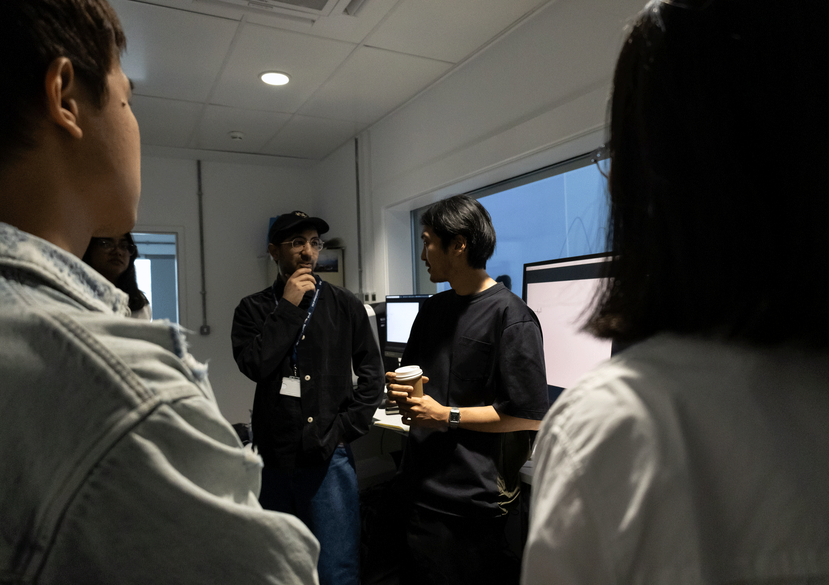
Our approach combines co-design, immersive prototyping and iterative user-testing. ARCO’s teachers and students will work with the research team from the Royal College of Art and Kingston School of Art in the RCA Visualisation Lab to shape the visual, sonic and interactive language of the experience, with teachers taking increasing responsibility for session delivery.
The project builds on the motion-capture and AI improvisation methods developed through Drawing Lines, extending them into a shared environment for young musicians and audiences. Alongside the lab-based system, the team will develop a lightweight markerless version for use on everyday devices, allowing the work to move beyond specialist XR facilities into community settings.
Outputs
Eight live performances in collaboration with Trinity Laban Conservatoire of Music and Dance, performed at the SNAP Visualisation Lab at the Royal College of Art in 2026.