Overview
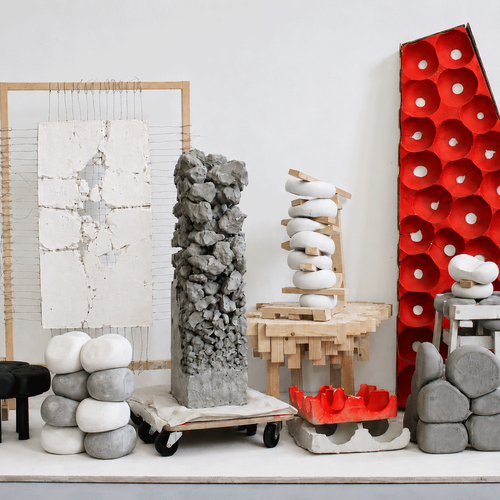
Designing environments for collective life
Key details
MA
- 180 credits
- 1 year / 45 week programme
- Full-time study
School or Centre
Current location
- Kensington
Next open event
Next application deadline
- Applications closed, please check back soon
Career opportunities
- Environmental Architecture & Urban Design graduates are expected to go to work in a range of fields, from design agencies including architecture, landscape architecture and urban design and planning, to roles in the public sector and NGOs, and further academic study.
Explore how environmental and urban processes shape the world we inhabit
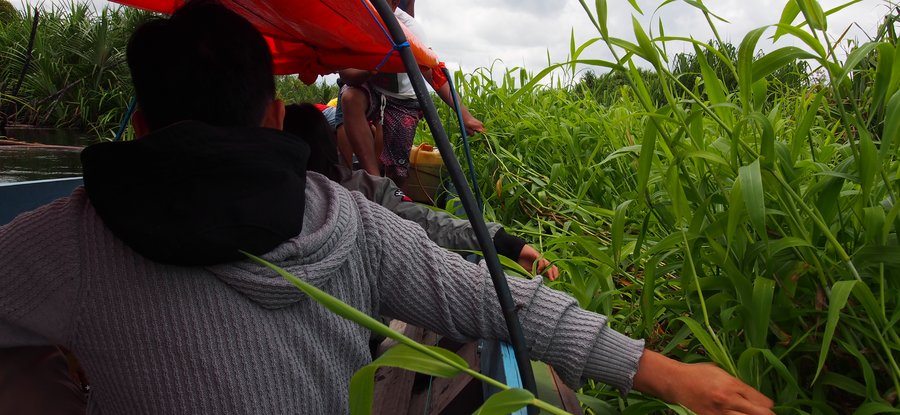
Environments across the world are transforming at a remarkable speed. Prolonged heat and drought are followed by intense rainfall and flooding; changing climates reshape how we live, move, source energy and share habitats. At the same time, technological and social change is transforming how we work, relate, and care for one another. Established distinctions between architecture, landscape architecture, urban design and environmental practice are increasingly inadequate for engaging with these interconnected conditions.
The Environmental Architecture & Urban Design MA brings these fields into productive dialogue, exploring how design can engage with the ecological, social, and political processes shaping contemporary life. Through design-action research, studio practice, and fieldwork, you’ll work across disciplines and scales to understand complex environments, develop forms of intervention, and define your own position within an expanding field of spatial practice.
The programme understands spatial change as inseparable from questions of organisation and collective life. New spatial arrangements – and new uses of existing ones – can require new forms of stewardship, governance and participation. You’ll explore how design can contribute not only to different environments, but to different relationships between people, institutions and the more-than-human worlds they inhabit.
- Bring environmental thinking and urban design into productive dialogue.
- Work with communities and institutions on urgent environmental, spatial and urban challenges.
- Connect transformative design approaches with policy, fieldwork and speculation to enact change.
- Develop your design practice within the justice-oriented, experimental, collaborative, and interdisciplinary culture of the RCA.
Explore further and register your interest
- Catch the replays from our latest online Open Day.
- Watch portfolio advice from the programme team.
To stay updated on application dates and updates for 2027 entry, please complete the Register your Interest form.
Kensington transformation
We are embarking upon a series of refurbishment works at our Kensington campus.
These involve making essential repairs to some areas of our much-loved heritage buildings and improving our facilities for future generations of RCA students and staff.
Student and alumni stories




Gallery

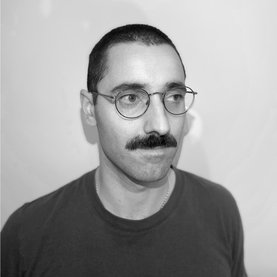
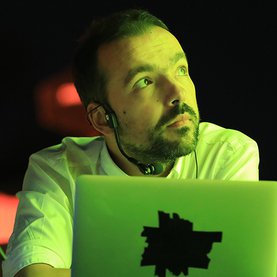
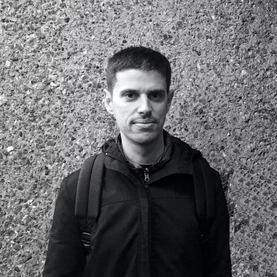
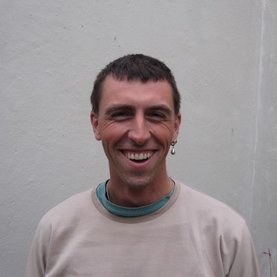
Staff









Facilities
The School of Architecture is currently based at our historic Kensington site.
View all facilitiesOur studios are at the heart of day-to-day life in the programme and School, providing dedicated space for project development, discussion, collaboration and exchange between students from different design disciplines. You’ll have access to shared studio workspace throughout the programme, alongside specialist wood, metal, plastic and resin workshops. The RCA also provides contemporary digital fabrication facilities and bookable project and making spaces. These resources support a wide range of approaches to spatial practice, from drawing, mapping and model-making to material experimentation, prototyping and collaborative forms of research-led design-action.


More details on what you'll study.
Find out what you'll cover in this programme.
What you'll cover
What will I learn?
Environmental and urban questions are inseparable. The Environmental Architecture & Urban Design MA programme works across architecture, landscape and urbanism to develop new approaches to spatial practice capable of engaging with the complex challenges of contemporary life.
You’ll expand the scope of design-action and research by working across scales and in dialogue with environmental studies, territorial management, and institutional and policy design. Areas of inquiry may include community-led planning; sustainable forms of urbanisation; stewardship and care; climate adaptation and environmental justice; indigenous and community-led struggles for land and environments; resource extraction and its ecological impacts; post-development and degrowth; and the role of preservation in spatial justice.
You’ll also critically explore how emerging technologies are reshaping design and everyday life, while developing skills in storytelling, speculation, representation and exhibition making as ways of imagining and communicating alternative futures.
Studying within the RCA’s experimental and interdisciplinary culture, you’ll encounter different forms of knowledge and practice and build relationships with practitioners, researchers, communities and institutions in London and internationally.
How will I learn?
Design-action is a foundational approach to learning, inquiry, and practice within the programme. It brings investigation and proposition, and research and practice together. This positions design as a critical process through which environmental and urban conditions can be investigated, negotiated and reorganised.
Learning is primarily studio-based and takes place on campus through collaborative design projects, tutorials, workshops and crits. Seminars bring design practice into dialogue with critical research, histories and theories, while fieldwork and live projects extend learning beyond the College and into specific environments, communities and institutions.
You’ll work independently and collectively, learning through making, discussion, experimentation and exchange with peers, tutors and external collaborators.
Programme structure
Term 1
Build the foundations of your environmental and urban design practice through spatial investigation, critical research and design experimentation. You’ll develop ways of reading and representing complex sites and systems while exploring the histories, theories and methods that inform contemporary spatial practice.
- Design-Action Studio 1: Spatial Investigations – 30 credits
- Seminar I: Dispositions and Formations – 15 credits
- Media Studies (School Wide Unit) – 15 credits
Term 2
Move from investigation towards proposition, exploring how design can engage environmental and urban change through spatial, institutional and strategic forms of intervention. Also in Term 2, a choice of elective units will allow you to shape your own learning journey. You will have the opportunity to work alongside students from other programmes, bringing your practice into dialogue with the creative approaches of your peers. A full list of elective options will be published in 2027.
- Design-Action Studio 2: Spatial Propositions – 30 credits
- Seminar II: Strategies and Constellations – 15 credits
- Elective – 15 credits
Term 3
Based on the foundation built in terms 1 and 2, you will develop an ambitious independent project that brings together your particular interests, methods and position as a designer and researcher. Supported by tutorials and critical discussion, you’ll define your own area of inquiry and produce a substantial body of original design-led research. You will learn how to effectively communicate your ideas to specialist and non-specialist audiences by exhibiting your work in the graduation show.
- Independent Research Project – 60 credits
Requirements
What you need to know before you apply
What we are looking for in a candidate
We are looking for interdisciplinary thinkers and practitioners who want to engage critically and creatively with the environmental and urban conditions shaping contemporary life, and to explore spatial design as a means of contributing to more just and environmentally responsive futures. The selection process considers creativity, imagination and transformative thinking as demonstrated in your portfolio, as well as your potential to benefit from the programme and to achieve high MA standards overall.
A prior design degree is strongly recommended, but we welcome applications from candidates with a wide-range of academic and professional backgrounds, including those looking for a career change and those engaged in spatial and environmental activism. Applicants may come from architecture, landscape architecture, urban design, urban planning and other spatial design disciplines, as well as social and environmental sciences, geography, urban studies, fine art, planning policy, economics, NGOs and the public sector.
We are particularly interested in the different forms of knowledge, experience and ambition that students bring to the programme. We do not expect applicants to arrive with expertise across both environmental architecture and urban design. Rather, we look for candidates who can contribute a distinct perspective to a multidisciplinary cohort and who are curious and open to engaging with methods, ideas and forms of practice beyond their existing disciplinary background.
Applicants from architecture and related spatial disciplines may be seeking to extend their practice through engagement with urban and institutional design, large-scale environmental and ecological projects, and spatial systems. Applicants from other disciplines and forms of practice should demonstrate how their existing knowledge, experience and interests might contribute to design-led inquiry and collaborative learning within the programme.
Evidence of intellectual and professional curiosity, openness to collaboration, and a readiness to be challenged and engage in a rigorous and demanding period of study is essential.
What's needed from you
Portfolio requirements
We recognise that applicants will bring different disciplinary backgrounds, methods and technical skills. If you are not from a design background, we encourage you to demonstrate how you have investigated environmental, urban or spatial issues through your own field of practice, communicating your work visually, materially and/or in writing.
When preparing your portfolio, we encourage you to prioritise projects or other work that demonstrate:
- An ability to investigate complex environmental, urban or spatial conditions and develop original responses through research, design or other forms of critical practice.
- Creativity and critical thinking, demonstrated through projects, research, writing, visual communication or other forms of practice.
- Technical and representational skills appropriate to your disciplinary background. These may include drawing, mapping, model making, digital modelling, GIS, visualisation, film, photography, animation, coding, exhibition design, writing or other relevant media. If applying from a non-design background, please don’t worry if your work looks different from a conventional design portfolio. We welcome applications that communicate ideas clearly through the methods, media and forms of evidence most appropriate to your own experience and way of working.
- Research methods such as fieldwork, archival research, interviews, documentary practices, environmental analysis, mapping, data analysis or other investigative approaches.
- Collaboration experience, where appropriate, including work with communities, institutions, interdisciplinary teams or external partners.
For all collaborative work, please clearly indicate your individual contribution together with the research methods, design processes and modes of collaboration that informed the final outcome.
Personal statement
Please provide a 300-word personal statement that addresses the following points:
- Introduce yourself, your interests and your motivations for applying to the Royal College of Art, and to the Environmental Architecture & Urban Design MA programme in particular.
- Briefly describe your educational background, professional experience and/or other experiences that have prepared you for this programme.
- Reflect on the environmental, urban or spatial questions that currently interest you most, and why.
- Tell us about the kind of practice you hope to develop in the future and how studying at the Royal College of Art will help you achieve your ambitions.
Your journey: video requirements
While portfolios showcase important technical and design skills, there are certain aspects of an application that are better grasped by hearing you speak about your own work. As part of your application, you must submit a video of no more than two minutes as part of the application process.
Please take this opportunity to tell us a bit more about your motivations and personal interests, and how these have led you to apply to this programme.
Start by telling us what led to your interest in the Environmental Architecture MA. Could you reflect on some of the difference ways by which architecture could have a positive contribution to addressing climate change?
Finally, where do you see yourself in the future, and what you expect to gain from studying at the Royal College of Art and in the MA Environmental Architecture.
English-language requirements
If you are not a national of a majority English-speaking country you will need the equivalent of an IELTS Academic or UKVI score of 6.5 overall (with a minimum of 5.5 in every component). Students achieving a grade of at least 6.0, with a grade of 5.5 in the Test of Written English, may be eligible to take the College’s English for Academic Purposes course to enable them to reach the required standard.
You are exempt from this requirement if you have received a 2.1 degree or above from a university in a majority English-speaking nation within the last five years.
If you need a Student Visa to study at the RCA, you will also need to meet the Home Office’s minimum requirements for entry clearance.
Student Visas
If you require a Student Visa (part-time route) for the MA Environmental Architecture programme, you will have work restrictions and will not be allowed to work in the UK during your studies. If you are currently employed on a Tier 2 visa you can apply for the part-time MA Environmental Architecture programme as long as you can continue to work for the same employer who is sponsoring you, otherwise you would need to switch to a Student Visa (part-time route) and would no longer be allowed to work in the UK.
For more information please see Student Visa or contact our Student support team.
Fees & funding
For this programme
Fees for new students
Fees for September 2027 entry on this programme are outlined below. From 2021 onward, EU students are classified as Overseas for tuition fee purposes.
Home (Full-time)
Overseas and EU (Full-time)
Deposit
New entrants to the College will be required to pay a non-refundable deposit in order to secure their place. This will be offset against the tuition fees. Deposits for 2026 entry will be confirmed in September 2025; 2025 deposit rates below for reference.
Home
Overseas and EU
Progression discount
For alumni who have completed an RCA Graduate Diploma and progress onto an RCA MA programme, a progression discount of £1,000 is available. For alumni progressing from an RCA Master's to another RCA Master's, a progression discount of £2,000 is available (£1,000 per year for part-time programmes).
* Total cost is based on the assumption that the programme is completed in the timeframe stated in the programme details. Additional study time may incur additional charges.
Scholarships
Scholarships
Each year, the RCA scholarship programme supports hundreds of students. The following are examples of scholarships awarded for 2026/27, with additional awards added throughout the year.
GREAT Scholarship
In partnership with the British Council and the GREAT Britain Campaign, the RCA has announced the third year of GREAT Scholarships. For 2026/27 we are offering two scholarships to students from India and Turkey.
Eligible programmes: Interior Design MA, Environmental Architecture & Urban Design MA, Ceramics & Glass MA, Contemporary Art Practice MA/MFA, Curating Contemporary Art MA, V&A/RCA History of Design MA, Jewellery & Metal MA, Painting MA, Photography MA, Print MA, Sculpture MA, Writing MA, Animation MA, Digital Narrative Arts MA/MFA, Information Experience Design MA, Visual Communication MA, Design Products MA/MDes, Fashion MA, Intelligent Mobility Design MA/MDes, Service Design MA, Textiles MA, Creative Education MEd, Communication MFA, Master of Research RCA MRes, Design Futures MA, Arts & Humanities MFA, Design Practice MArch
Other criteria: None
Eligible fee status: Overseas fee status
Value: £10,000 toward fees
House of Fraser Bursary
Eligible programmes: Architecture MArch (ARB/RIBA Part 2), Interior Design MA, Environmental Architecture & Urban Design MA, Ceramics & Glass MA, Contemporary Art Practice MA/MFA, Curating Contemporary Art MA, V&A/RCA History of Design MA, Jewellery & Metal MA, Painting MA, Photography MA, Print MA, Sculpture MA, Writing MA, Animation MA, Digital Narrative Arts MA/MFA, Information Experience Design MA, Visual Communication MA, Design Products MA/MDes, Fashion MA, Innovation Design Engineering MA/MSc, Intelligent Mobility Design MA/MDes, Service Design MA, Textiles MA
Other criteria: None
Eligible fee status: Home fee status
Value: £10,000 toward fees
Leathersellers' Bursary
For students using leather in their practice
Eligible programmes: Architecture MArch (ARB/RIBA Part 2), Interior Design MA, Environmental Architecture & Urban Design MA, Ceramics & Glass MA, Contemporary Art Practice MA/MFA, Curating Contemporary Art MA, V&A/RCA History of Design MA, Jewellery & Metal MA, Painting MA, Photography MA, Print MA, Sculpture MA, Writing MA, Animation MA, Digital Narrative Arts MA/MFA, Information Experience Design MA, Visual Communication MA, Design Products MA/MDes, Fashion MA, Innovation Design Engineering MA/MSc, Intelligent Mobility Design MA/MDes, Service Design MA, Textiles MA
Other criteria: None
Eligible fee status: Home or overseas status
Value: £6,000 towards living costs
RCA President & Vice-Chancellor’s International
Round 1 and 2 programme applications will be automatically assessed for one of these scholarships. If you are successful, you will be told about this at the same time as receiving your RCA programme offer.
Eligible programmes: Architecture MArch (ARB/RIBA Part 2), Interior Design MA, Environmental Architecture & Urban Design MA, Ceramics & Glass MA, Contemporary Art Practice MA/MFA, Curating Contemporary Art MA, V&A/RCA History of Design MA, Jewellery & Metal MA, Painting MA, Photography MA, Print MA, Sculpture MA, Writing MA, Animation MA, Digital Narrative Arts MA/MFA, Information Experience Design MA, Visual Communication MA, Design Products MA/MDes, Fashion MA, Innovation Design Engineering MA/MSc, Intelligent Mobility Design MA/MDes, Service Design MA, Textiles MA, Creative Education MEd, Communication MFA, Master of Research RCA MRes, Design Futures MA, Arts & Humanities MFA, Design Practice MArch
Other criteria: Applicants from Australia, Brazil, Canada, Chile, Colombia, Denmark, Egypt, France, Germany, Greece, Hong Kong, India, Indonesia, Israel, Italy, Japan, Malaysia, Mexico, Netherlands, Nigeria, Pakistan, Palestine, Poland, Portugal, Saudi Arabia, Singapore, South Korea, Spain, Switzerland, Taiwan, Thailand, Turkey, UAE, USA
Eligible fee status: Overseas fee status
Value: £9,000 toward fees
RCA President & Vice-Chancellor’s UK Scholarship
Round 1 and 2 programme applications will be automatically assessed for one of these scholarships. If you are successful, you will be told about this at the same time as receiving your RCA programme offer.
Eligible programmes: Architecture MArch (ARB/RIBA Part 2), Interior Design MA, Environmental Architecture & Urban Design MA, Ceramics & Glass MA, Contemporary Art Practice MA/MFA, Curating Contemporary Art MA, V&A/RCA History of Design MA, Jewellery & Metal MA, Painting MA, Photography MA, Print MA, Sculpture MA, Writing MA, Animation MA, Digital Narrative Arts MA/MFA, Information Experience Design MA, Visual Communication MA, Design Products MA/MDes, Fashion MA, Innovation Design Engineering MA/MSc, Intelligent Mobility Design MA/MDes, Service Design MA, Textiles MA, Creative Education MEd, Communication MFA, Master of Research RCA MRes, Design Futures MA, Arts & Humanities MFA, Design Practice MArch
Other criteria: None
Eligible fee status: Home fee status
Value: £5,000 toward fees
The Mohammed bin Rashid Scholarship
The Mohammed bin Rashid Scholarship for Architecture & Design supports exceptional Arab talent in the fields of architecture, urban design, and environmental innovation for the academic year 2026/27. See full application details at www.rca.ac.uk/mbr-apply
Eligible programmes: Interior Design MA, Environmental Architecture & Urban Design MA, Design Practice MArch
Other criteria: 3 places are reserved for employees of Dubai Municipality who apply to the RCA and meet its academic standards, 9 remaining places are open to citizens of the United Arab Emirates, Saudi Arabia, Algeria, Bahrain, Comoros, Djibouti, Egypt, Iraq, Jordan, Kuwait, Lebanon, Libya, Mauritania, Morocco, Oman, Palestine, Qatar, Somalia, Sudan, Syria, Tunisia, and Yemen.
Eligible fee status: Overseas fee status
Value: Fully funded (including fees & maintenance)
The RCA Sanctuary Scholarship
For full details please see here: www.rca.ac.uk/study/apply-to-study/funding-your-studies/rca-scholarships-and-awards/the-rca-sanctuary-scholarship/
Eligible programmes: Interior Design MA, Environmental Architecture & Urban Design MA, Ceramics & Glass MA, Contemporary Art Practice MA/MFA, Curating Contemporary Art MA, V&A/RCA History of Design MA, Jewellery & Metal MA, Painting MA, Photography MA, Print MA, Sculpture MA, Writing MA, Animation MA, Digital Narrative Arts MA/MFA, Information Experience Design MA, Visual Communication MA, Design Products MA/MDes, Fashion MA, Intelligent Mobility Design MA/MDes, Service Design MA, Textiles MA, Creative Education MEd, Communication MFA, Master of Research RCA MRes, Design Futures MA, Arts & Humanities MFA, Design Practice MArch
Other criteria: None
Eligible fee status: Home or overseas status
Value: Full fees & support package up to the value of £20,000 pa (depending on the awardee’s circumstances)
The RCA UK Cost of Living Scholarship
Eligible programmes: Architecture MArch (ARB/RIBA Part 2), Interior Design MA, Environmental Architecture & Urban Design MA, Ceramics & Glass MA, Contemporary Art Practice MA/MFA, Curating Contemporary Art MA, V&A/RCA History of Design MA, Jewellery & Metal MA, Painting MA, Photography MA, Print MA, Sculpture MA, Writing MA, Animation MA, Digital Narrative Arts MA/MFA, Information Experience Design MA, Visual Communication MA, Design Products MA/MDes, Fashion MA, Innovation Design Engineering MA/MSc, Intelligent Mobility Design MA/MDes, Service Design MA, Textiles MA, Creative Education MEd, Communication MFA, Master of Research RCA MRes, Design Futures MA, Arts & Humanities MFA, Design Practice MArch
Other criteria: None
Eligible fee status: Home fee status
Value: £5,000 towards living costs
The RCA UK Disabled Students’ Scholarship
For students who identify as D/deaf or disabled
Eligible programmes: Architecture MArch (ARB/RIBA Part 2), Interior Design MA, Environmental Architecture & Urban Design MA, Ceramics & Glass MA, Contemporary Art Practice MA/MFA, Curating Contemporary Art MA, V&A/RCA History of Design MA, Jewellery & Metal MA, Painting MA, Photography MA, Print MA, Sculpture MA, Writing MA, Animation MA, Digital Narrative Arts MA/MFA, Information Experience Design MA, Visual Communication MA, Design Products MA/MDes, Fashion MA, Innovation Design Engineering MA/MSc, Intelligent Mobility Design MA/MDes, Service Design MA, Textiles MA, Creative Education MEd, Communication MFA, Master of Research RCA MRes, Design Futures MA, Arts & Humanities MFA, Design Practice MArch
Other criteria: None
Eligible fee status: Home fee status
Value: £6,000 towards living costs
The Rothschild Foundation Scholarship
Eligible programmes: Environmental Architecture & Urban Design MA, Sculpture MA, Writing MA
Other criteria: None
Eligible fee status: Home fee status
Value: Full fees and maintenance
The Sir Frank Bowling Scholarship
For students identifying as Black or Black British - Caribbean, Black or Black British - African, Other Black background, Mixed - White and Black Caribbean, Mixed - White and Black African
Eligible programmes: Architecture MArch (ARB/RIBA Part 2), Interior Design MA, Environmental Architecture & Urban Design MA, Ceramics & Glass MA, Contemporary Art Practice MA/MFA, Curating Contemporary Art MA, V&A/RCA History of Design MA, Jewellery & Metal MA, Painting MA, Photography MA, Print MA, Sculpture MA, Writing MA, Animation MA, Digital Narrative Arts MA/MFA, Information Experience Design MA, Visual Communication MA, Design Products MA/MDes, Fashion MA, Innovation Design Engineering MA/MSc, Intelligent Mobility Design MA/MDes, Service Design MA, Textiles MA, Creative Education MEd, Communication MFA, Master of Research RCA MRes, Design Futures MA, Arts & Humanities MFA, Design Practice MArch
Other criteria: None
Eligible fee status: Home fee status
Value: Full fees and maintenance
Even if you do not currently see a scholarship for which you meet the eligibility criteria, we encourage you to apply to be considered for financial support.
Unless otherwise stated, you must apply in either round 1 or 2, and have received an offer of study on an RCA programme to be invited to make a scholarship application. Therefore, we strongly recommend you apply for your programme as early as possible but no later than the round 2 deadline.
More information
Additional fees
In addition to your programme fees, please be aware that you may incur other additional costs associated with your study during your time at RCA. Additional costs can include purchases and services (without limitation): costs related to the purchase of books, paints, textiles, wood, metal, plastics and/or other materials in connection with your programme, services related to the use of printing and photocopying, lasercutting, 3D printing and CNC. Costs related to attending compulsory field trips, joining student and sport societies, and your Convocation (graduation) ceremony.
If you wish to find out more about what type of additional costs you may incur while studying on your programme, please contact the Head of your Programme to discuss or ask at an online or in person Open Day.
We provide the RCASHOP online, and at our Kensington and Battersea Campuses – this is open to students and staff of the Royal College of Art only to provide paid for materials to support your studies.
We also provide support to our students who require financial assistance whilst studying, including a dedicated Materials Fund.
External funding
There are many funding sources, with some students securing scholarships and others saving money from working. It is impossible to list all the potential funding sources; however, the following information could be useful.
Payments
Tuition fees are due on the first day of the academic year and students are sent an invoice prior to beginning their studies. Payments can be made in advance, on registration or in two instalments.
Experience
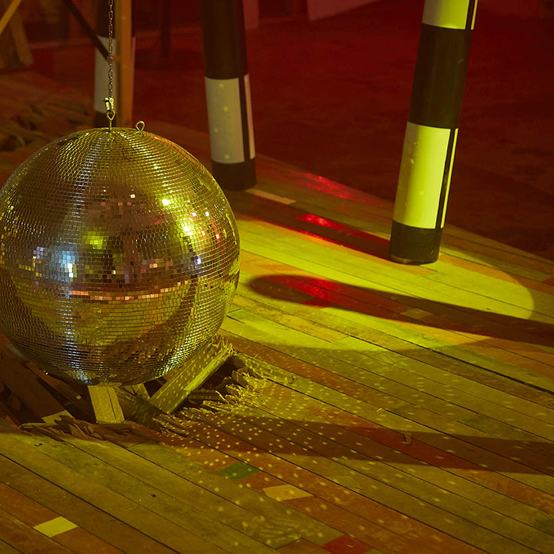
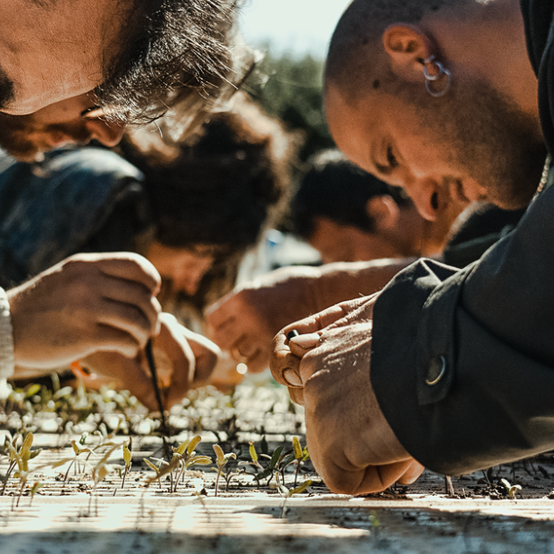
The social media content shown here reflects past and current student activity and is provided for illustrative purposes only. Experiences on the programme may vary and are subject to change for future students.
Ask a question
Get in touch if you’d like to find out more or have any questions.
More opportunities to study at the RCA
Related programmes