Overview
Give space to your thinking, shape a new practice
Key details
Graduate Diploma
- 120 credits
- 1 year programme
- Full-time study
School or Centre
Current location
- Kensington
Next open event
- 11 Nov 2026
- Join our on-campus open day
Next application deadline
- 8 Jan 2027
- Still accepting applications
Discover a new pathway to a career in architecture and spatial disciplines.
- Build the knowledge, skills, and portfolio to progress from a non-architectural background to the RCA's Architecture MArch, or further advanced study.
- Bring your existing knowledge, interests and experience into an experimental and immersive design-led studio culture that encourages new ways of thinking and making.
- Join the programme’s interdisciplinary community and the wider RCA to experiment across design, making, technical and theoretical learning.
- Learn from London through site visits and fieldwork, and gain first-hand experience of how buildings relate to the urban context and impact communities.
The Royal College of Art’s Graduate Diploma in Architecture & Spatial Practice is an immersive introduction to the spatial disciplines for graduates from any educational background.
Whether looking to change your career, or pivot from a different undergraduate specialism in the UK or internationally, this year-long programme provides access to further architectural study and training.
Students build on their existing knowledge to develop new skills and explore new ways of thinking, designing and engaging with the contemporary world. Through experimentation, making and critical enquiry, students are challenged to imagine more sustainable, equitable, resilient and regenerative futures.
The programme opens a pathway to transfer into the RCA’s Architecture MArch, or forge new creative directions in architecture and spatial practice.
Progress to Master's study
Gaining a Distinction or Merit on the Architecture & Spatial Practice Graduate Diploma guarantees progression to the RCA’s MArch Architecture or other MA programmes within the School of Architecture, for up to three years from graduation.
A Pass guarantees consideration for any RCA MA, MRes or March Design Practice alongside external applicants. This offer is valid for three years from graduation.
Gallery
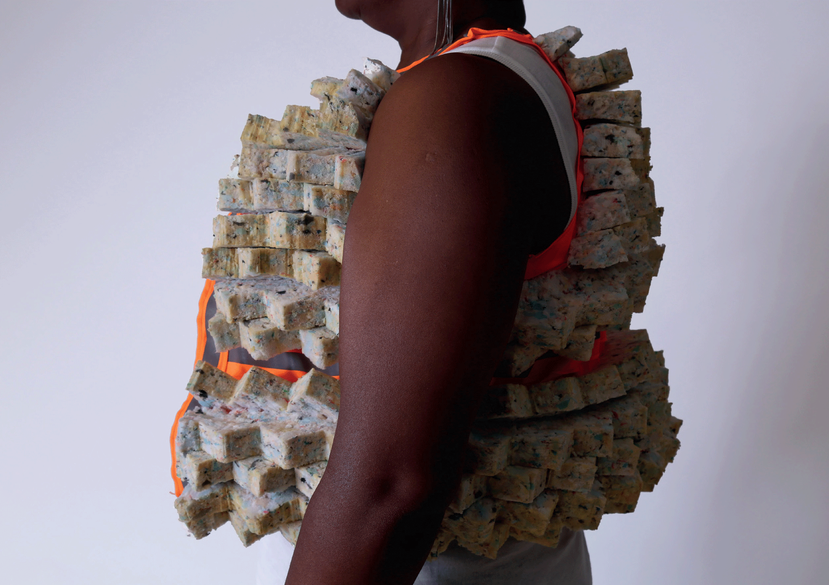
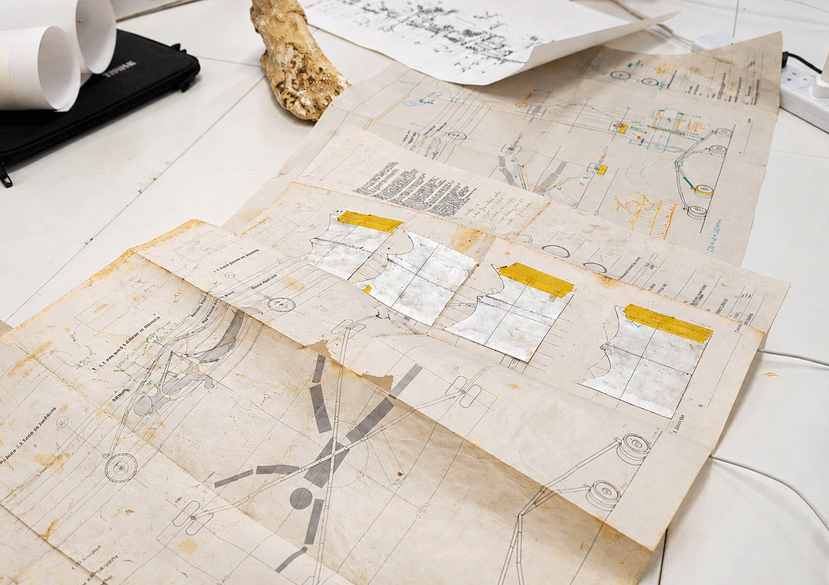
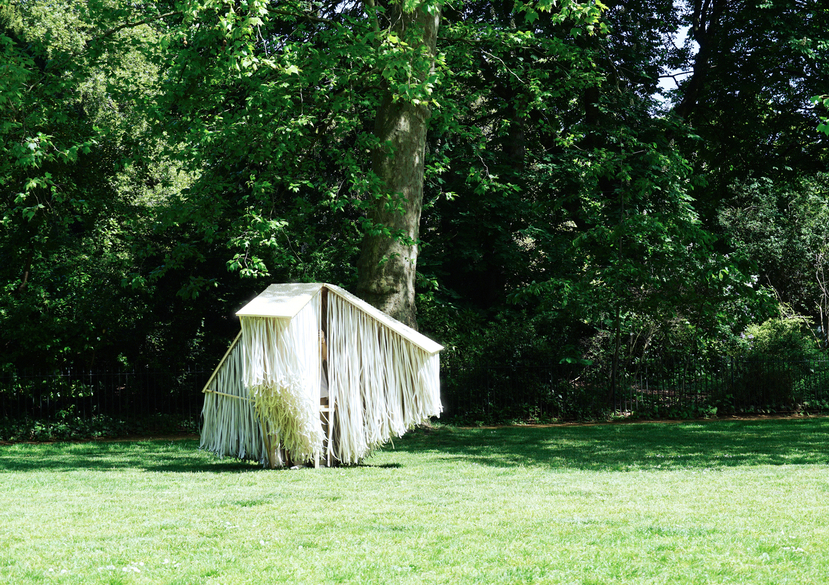
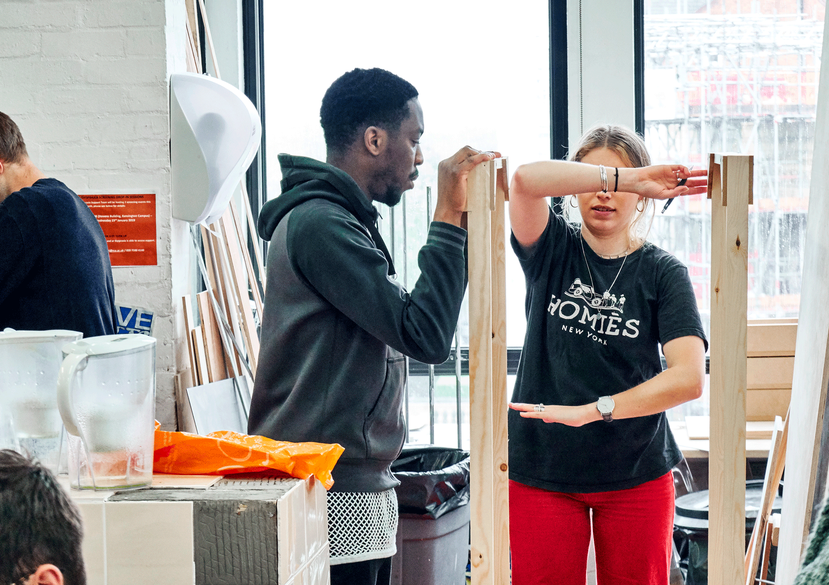
Staff

Facilities
The School of Architecture is currently based at our historic Kensington site.
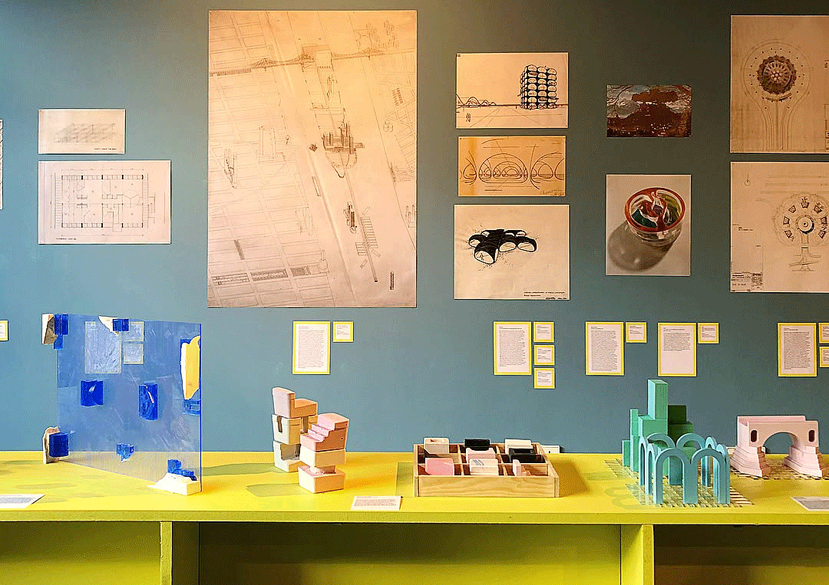
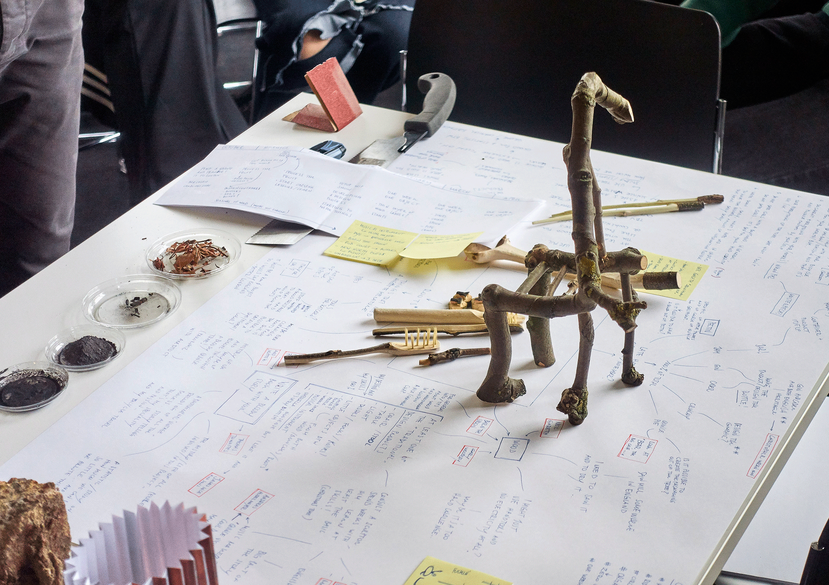
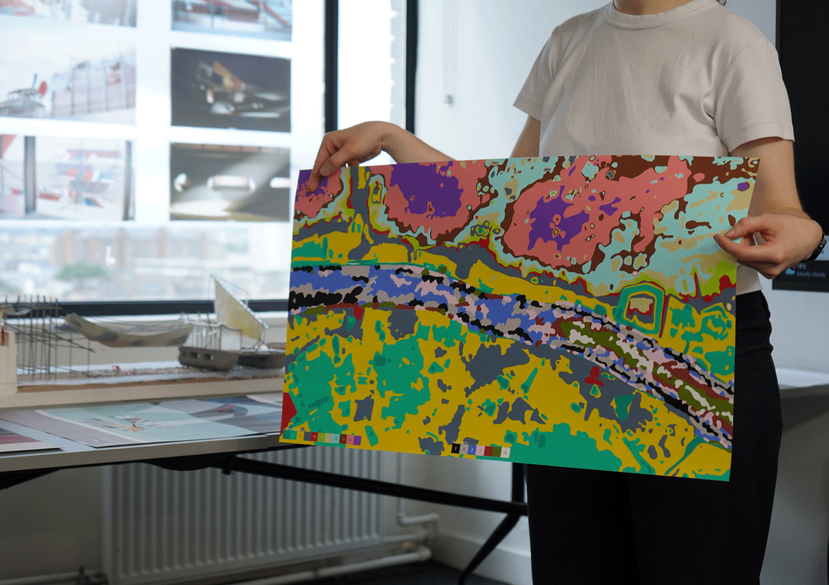
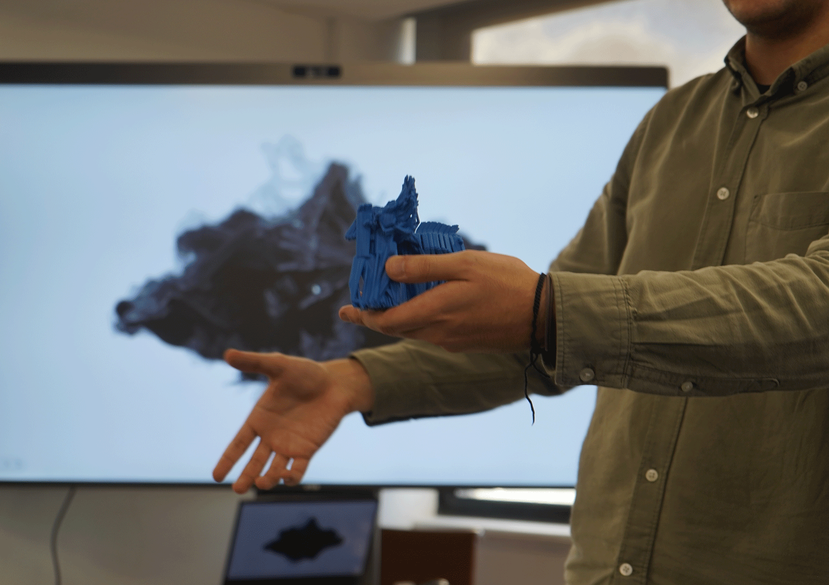
Our mixed-discipline studios encourage cross-disciplinary thought, awareness and action.

More details on what you'll study.
What you'll cover
How you'll learn
The programme is delivered full-time, structured around studio-based design projects. Learning takes place in the studio through guided learning days, combining individual and group tutorials with workshops, seminars, and discussions that support independent intellectual and practical development. Students work within a shared studio environment, forming a collaborative community that underpins the learning experience. The programme actively engages with London through site visits that will help students to develop site-specific insights into architectural questions, spatial challenges, and contextual opportunities.
You will also learn from your fellow students, and they will learn from you. Each year a global cohort of students from diverse backgrounds, careers and life experiences joins our community. Peer-to-peer learning is a vital part of the RCA experience and this range of perspectives enriches students, igniting new ways of thinking and sparking innovation.
Outside of campus experience, you will have opportunities to explore London and immerse yourself in Europe's creative and cultural capital.
Programme structure
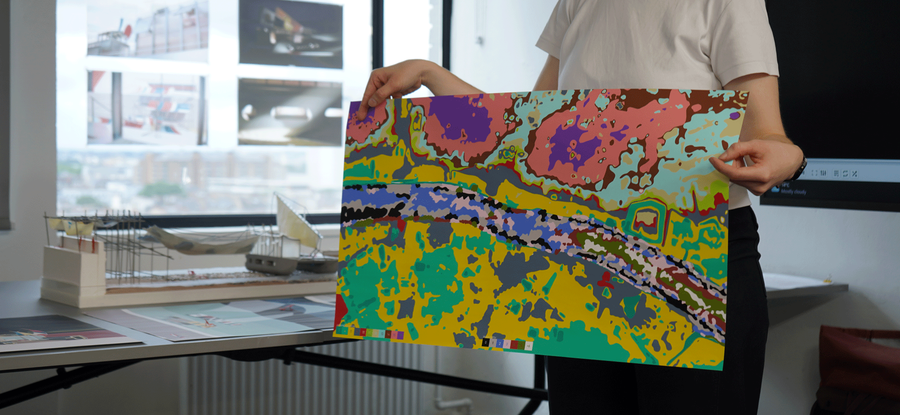
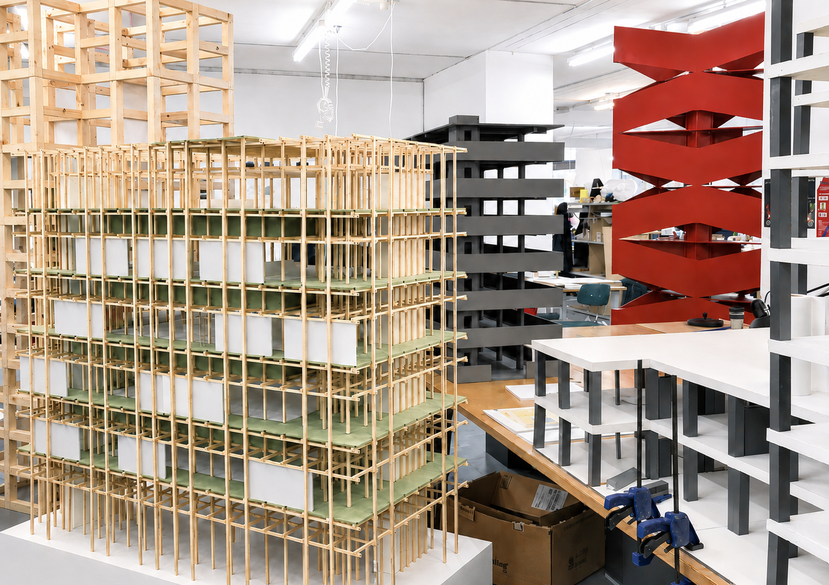
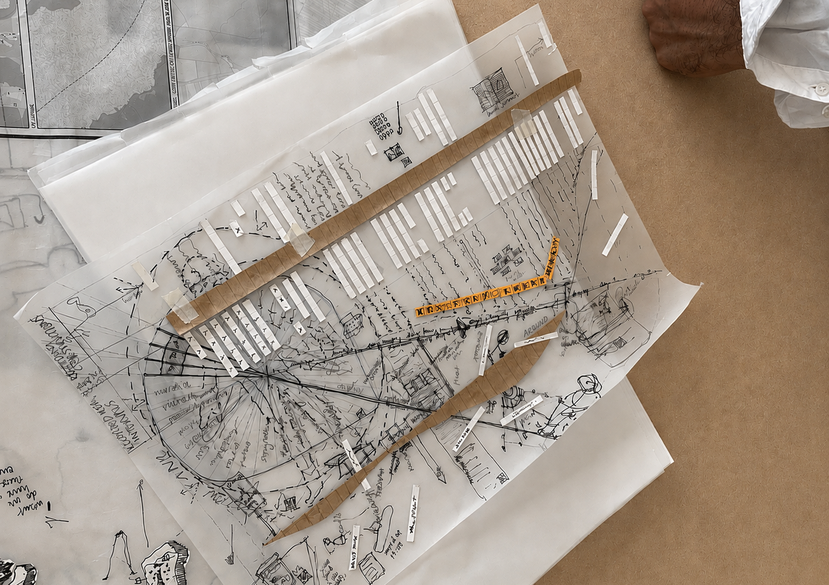
Teaching is centred on studio-based learning, structured through a sequence of progressively complex design-led projects. Rapid exploratory exercises build core skills in spatial thinking and introduce key representational and material practices, including drawing, model-making, and material testing. Studio projects engage with architectural and cultural precedents and contemporary case studies, supporting a critical understanding of architecture’s relationship to social, political, environmental, and technological contexts. The curriculum culminates in a final project in which students develop an individual brief in response to a defined context and thematic framework.
Working across drawing, model-making, photography, writing, and digital media, students build a confident foundation in spatial thinking and visual communication. Studio teaching is supported by an integrated programme of skills and media instruction, enabling students to develop clarity, precision, and a distinctive visual language for design exploration and communication.
Core strands – including structures and construction, sustainability, professional practice, ethics, and historical and theoretical contexts – are embedded within studio projects and delivered through shared briefs, with targeted formative and summative assessment points. Emphasis is placed on learning through making and doing, enabling students to apply and coordinate technical, theoretical, and contextual knowledge within their design work.
London serves as a key resource for field-based learning, utilising the city’s exemplary architectural precedents and its ongoing processes of urban change and construction. Site visits across London are integral to the curriculum, enabling students to not only study but also experience architecture and the built environment, including how buildings relate to the urban context, construction and materiality, and how they impact communities. This fieldwork supports the development of students’ ability to actively observe, analyse, and critically interpret sites and architectural practice.
The studio environment is central to the RCA learning experience, fostering a culture of peer-to-peer learning in which students develop their practice through observation, discussion, and collaboration with colleagues. The programme maintains close academic and social links with other programmes in the School of Architecture and serves as a key entry route to the Architecture MArch. Students are co-located with MArch cohorts, benefiting from shared events, aligned academic calendars, and overlapping teaching and staffing structures that encourage exchange across year groups.
Design Workshop
Exploratory exercises support the development of core design skills while introducing a range of representational and material practices, including drawing, model-making, and material testing. Studio projects engage with architectural and cultural precedents in relation to contemporary practice, enabling students to develop a critical understanding of architecture’s relationship to physical and socio-political contexts, aesthetics and form, technology, and sustainability. Each exercise is carefully aligned with specific skills and technical concepts, ensuring projects support multiple strands of learning.
Project Proposal
Studio work progresses from exploratory exercises to a more focused investigation of students’ individual interests. Students undertake self-directed research informed by contextual references and critical inquiry. Working within a shared brief, they develop their own frameworks and proposals, responding to site and context through programmatic, material, and spatial innovation. The course integrates experimentation in form, typology, and fabrication with critical theory, environmental and technical knowledge, and diverse approaches to contemporary spatial practice.
Contextual Studies
Contextual Studies forms a core component of the programme, exploring the cultural, technical, environmental, historical, and professional contexts that shape contemporary spatial practice. The unit develops students’ research, analytical, and critical thinking skills while supporting the integration of technical, theoretical, and ethical knowledge into design methodologies. Through engagement with structures, sustainability, history and theory, professionalism, and regulation, students learn to balance diverse social, environmental, cultural, and technical considerations in the development of coherent and responsible design proposals.
Portfolio
The Portfolio unit focuses on developing a curated portfolio by refining earlier work into a cohesive body that can support future study or career goals. Students draw on their learning to articulate practical and theoretical concerns, using text and images to demonstrate both individual skill and contextual awareness. They have the opportunity to build on previous briefs and respond to formative feedback and to further refine a selected project to be developed for public output.
Requirements
What you need to know before you apply
We welcome applications from candidates of all academic and professional backgrounds. All candidates must demonstrate creative interest and abilities. A strong artistic sensibility and demonstrable creative ability are essential for entry. All applicants must submit a portfolio or equivalent illustrated document that evidences visual and material exploration through, for example, drawing, photography, making, digital media, or spatial experimentation.
A strong submission will demonstrate both creative potential and intellectual curiosity through critical writing, research, or other substantial work. Applicants from non-design or art backgrounds should clearly show how they have translated their existing knowledge, skills, and analytical thinking into visual, spatial, or material forms.
Fees & funding
For this programme
Fees for September 2027
Home (On campus learning)
Overseas and EU (on campus learning)
Deposit
New entrants to the College will be required to pay a non-refundable deposit in order to secure their place. This will be offset against the tuition fees. Deposits for 2027 entry can be found below.
Home
Overseas and EU
* Total cost is based on the assumption that the programme is completed in the timeframe stated in the programme details. Additional study time may incur additional charges.
Scholarships
Scholarships
Each year, the RCA scholarship programme supports hundreds of students. Scholarships and awards for 2027 entry will be confirmed shortly.
More information
Payments
Tuition fees are due on the first day of the academic year and students are sent an invoice prior to beginning their studies. Payment can be made in advance or on registration.
Experience
The social media content shown here reflects past and current student activity and is provided for illustrative purposes only. Experiences on the programme may vary and are subject to change for future students.
Start your application
Change your life and be here in 2027. Applications now open.
The Royal College of Art welcomes applicants from all over the world.
Before you begin
Make sure you've read and understood the eligibility requirements and key dates
More information about eligibility requirements and key datesCheck you have all the information you need to apply.
Read our application process guideConsider attending an Open Event, either online or in person, or watch recordings of previous events.
See upcoming events and recordingsPlease note, all applications must be submitted by 12 noon on the given deadline.
Ask a question
Get in touch if you’d like to find out more or have any questions.
More opportunities to study at the RCA
Related programmes