Future London Taxi
-
Future London Taxi
Future London Taxi
-
Future London Taxi
Future London Taxi
-
Future London Taxi – Taxi Drivers
-
Future London Taxi – Taxi Passengers
-
Future London Taxi
Future London Taxi
-
Future London Taxi
Future London Taxi
-
Concept sketches of the taxi
-
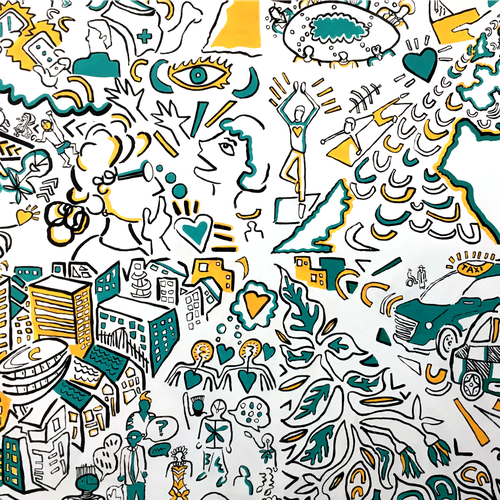
Future London Taxi Infographic
How can we provide London with a ‘hyper’ inclusive taxi that meets the future needs of drivers and passengers of all ages and abilities?
From
January 2018 in an effort to lower pollution levels and increase air quality in
the capital, Transport for London will only issue licenses to taxis with
zero-emissions capability. The Future Taxi project is a collaboration between
the Helen Hamlyn Centre for Design, the Royal College of Art’s new Intelligent
Mobility Design Centre and Turkish car manufacturer Karsan, which not only
intends to produce a vehicle that will achieve this zero-emissions ambition,
but will also be the first ‘hyper-inclusive’ taxi on the road.
The design process considers two distinct groups of taxi users; the passengers and the drivers, taking into account diverse groups of people who find transport a challenge. It also considers the comfort and well-being of the driver – who typically spends long hours in a limited space. The balance of designing between the needs of the transient (passenger) and static (driver) users is a complex task, that relies on research collected from co-creation workshops and public engagement gathered by the team of researchers and designers.
The Hackney carriage is an iconic design, recognised around the world as a symbol of London, akin to Big Ben, Beefeaters and red pillar boxes. The challenges of creating a new London taxi lie not only in producing a zero-emissions engine for the car, but also in the redesign of an emblem of the city. The hackney carriage represents tradition and heritage; it is a vehicle of nostalgia. However, London is also an ever-growing city, forward-thinking and diverse in character – and this is reflected in its changing cityscape and new icons, from ‘Boris Bikes’ to the Shard. The aesthetic is an important aspect of the project, one that can engender a sense of pride and belonging in the driver, the user and the general public.
A ‘future London’, which aspires to be
greener, cleaner and more accessible, will need a future taxi that will deliver
both the classic and the contemporary without compromising on inclusive design,
which remains at the heart of the project. Events such as the 2012 Summer
Paralympics (described as ‘the greatest Paralympic Games ever’, and which
achieved record breaking ticket sales and
media coverage), and the successful inauguration of the Invictus Games in 2014
which took place at the newly designed Queen Elizabeth Olympic Park, speak to
the intention and ambition of the Future Taxi.
Human-centred
Approach
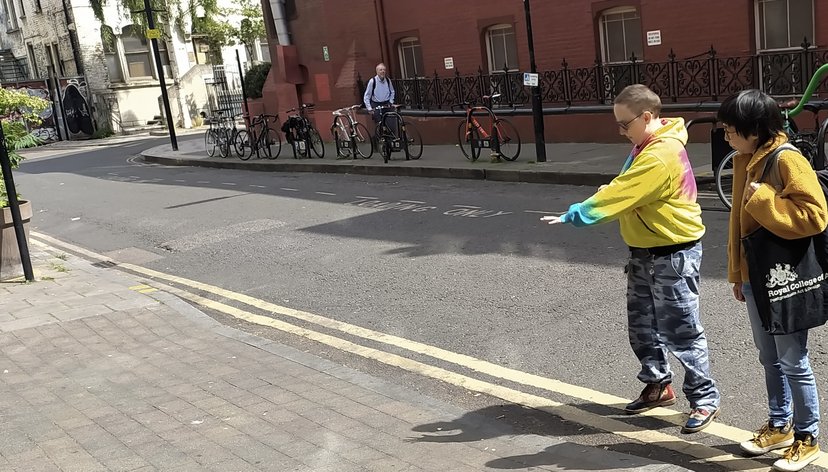
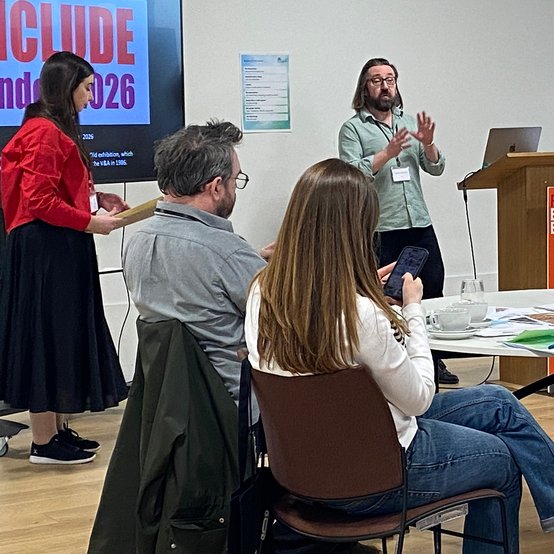
The project has taken an entirely human-centred approach from the outset. The
team has conducted wide-ranging research, from shadowing drivers to co-design
workshops, engaging with over 1000 people. The designers have interviewed
service users that find getting around the most challenging (such as wheelchair
users, older couples, mothers with toddlers or pushchairs) as well as the taxi
drivers themselves (for whom the internal space of the taxi cab is their
office), in order to gain crucial insights into how travelling around London
can be made an easier and more pleasant experience.
To embody this invaluable research, as well as maintaining a sense of aesthetics, has been a huge undertaking bringing together disparate challenges. Detailed designs have been created that differ from existing taxis, and a working prototype is being developed. The team are currently testing their design, and producing accompanying material to communicate both the process and the outcome, to ensure that future vehicles and mobility solutions can benefit from the findings of this study.
Project Researchers:
Samuel Johnson, Daniel
Quinlan, Elizabeth Roberts
Project Directors:
Rama Gheerawo, Prof Dale Harrow
Project Manager:
Dr Chris McGinley
Research Partners:
Karsan,
Hexagon Studio