Overview
The future of storytelling
Key details
MA
- 180 credits
- 1 year / 45 week programme
- Full-time study
MFA
- 300 credits
- 2 years / 90 week programme
- Full-time study
School or Centre
Current location
- White City
Next open event
- 10 Nov 2026
- On campus Open Day
Next application deadline
- 8 Jan 2027
- Still accepting applications
Career opportunities
- Our programme will equip you to be a creative thinker, maker and leader in your chosen field. Our graduates work across the arts, design, technology, journalism, film, media and performance, establishing creative studios, contributing to industrial and public organisations, or pursuing advanced research and teaching in the evolving contexts, methodologies and applications of inclusive, immersive and interactive digital narrative practice.
Craft impactful narrative experiences and explore equitable ways to tell stories with people, other species and our planet. (Formerly Digital Direction)
- Learn to view the world critically, cutting through hype and misinformation.
- Collaborate with others to explore how digital narrative arts and immersive, interactive storytelling can create positive and enduring change.
- Shape the future of narrative and storytelling, working creatively and critically with emerging technologies as part of a world-leading community of researchers and practitioners.
- Engage sensitively with diverse traditions and cultures, building an understanding of ethical and equitable narrative practice, and critical and analytical approaches to technology.
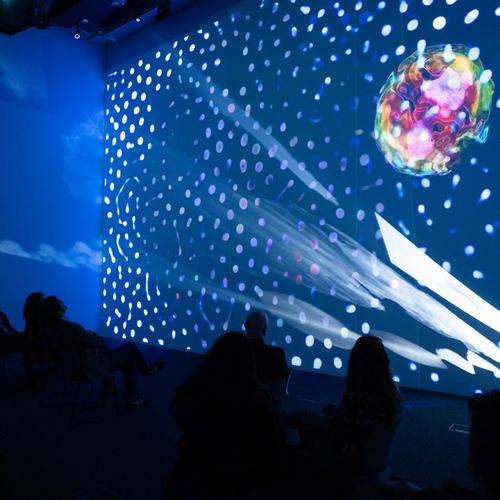
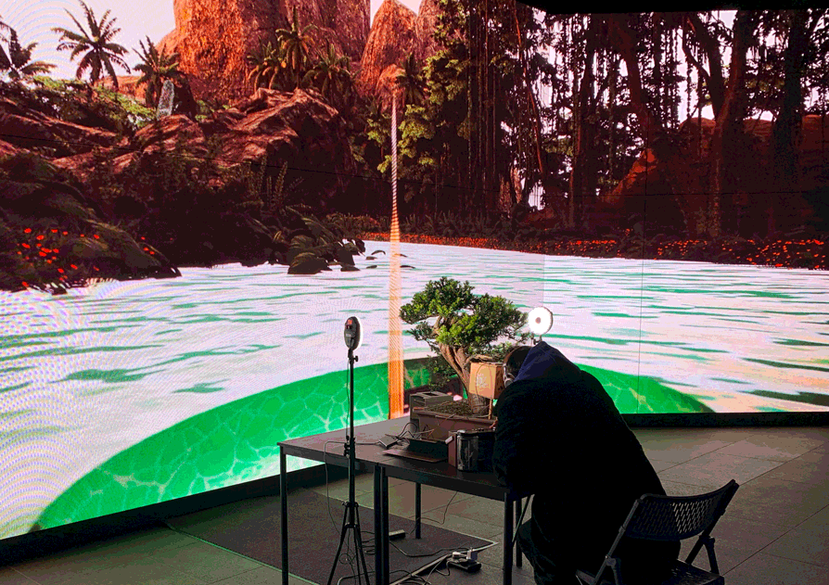
Evolving from the RCA’s Digital Direction MA programme, Digital Narrative Arts MA/MFA is a collaborative, interdisciplinary community exploring new approaches to narrative practice and global storytelling through emerging technologies. We create immersive, interactive, digital and generative narrative experiences, including art, games, film, sound, and live performance, combining research and experimentation with collective practice to rethink how contemporary digital narratives are shaped, shared and experienced. We work creatively and critically with artificial intelligence (AI), extended reality (XR), including game engines, virtual and augmented reality and real-time 3D, advanced sensing, physical computing and mobile platforms.
Developing diverse narrative logics, structures, ways of making and disseminating meaning, we create new possibilities for what narrative and storytelling can be; and explore how they can operate as critical tools for addressing social and ecological challenges, as a means for creating fairer and more sustainable futures. Join us to research knowledge systems and paradigms, and explore ways of working with people and other species to develop equitable planetary storytelling for real-world contexts.
Digital Narrative Arts can be taken as a one-year MA or a two-year MFA programme. MFA students follow the MA curriculum for year one before progressing to year two of the programme.
The MFA is for students who want to further develop and test new ways of applying advanced knowledge and skills in justice- and community-led, sustainable and global narrative practice with a wide range of partners and in real-world settings. It develops creative leadership in digital narrative arts, enabling students to experiment with new forms, knowledge, roles and technologies for immersive and interactive storytelling.
For full details of the MA and MFA curriculum view the Curriculum tab above.
Both programmes are transdisciplinary in nature and open to practitioners from the arts as well as designers, journalists, writers, musicians, theatre makers, performers, scientists, engineers, cultural practitioners and anyone who wants to experiment with new narrative concepts, environments, partnerships, formats and technologies driven by ethical, environmental, epistemological and social imperatives.
Location
Digital Narrative Arts MA/MFA will be delivered at our Battersea campus for 2027/28. Find out more.
Please make sure you apply for the programme you wish to study.
- If you wish to study for the one year programme, please apply for the MA.
- If you wish to study for the two year programme, please apply for the MFA.
- There is no guaranteed progression from the MA to MFA and changing programme length may create challenges with student visas or finances.
Explore further and register your interest
Catch the replays from our latest online Open Day.
Watch portfolio advice from the programme team.
Stories

Gallery
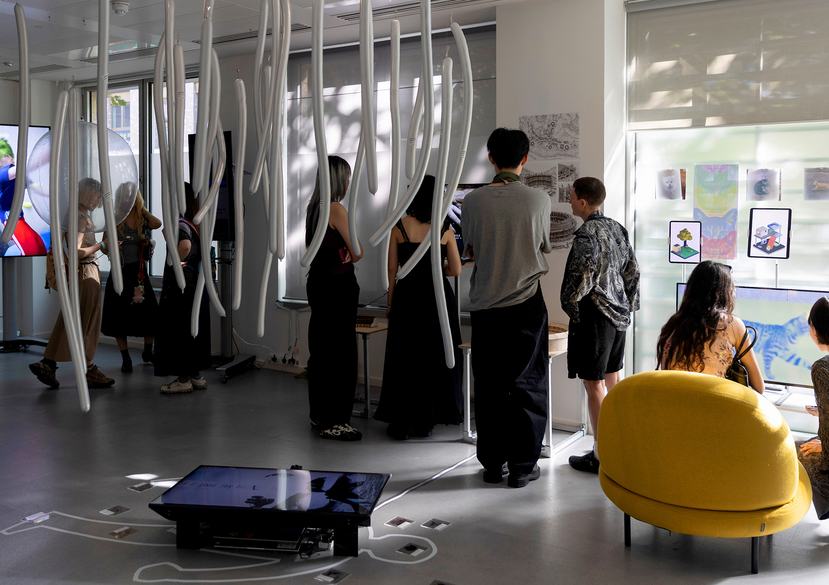
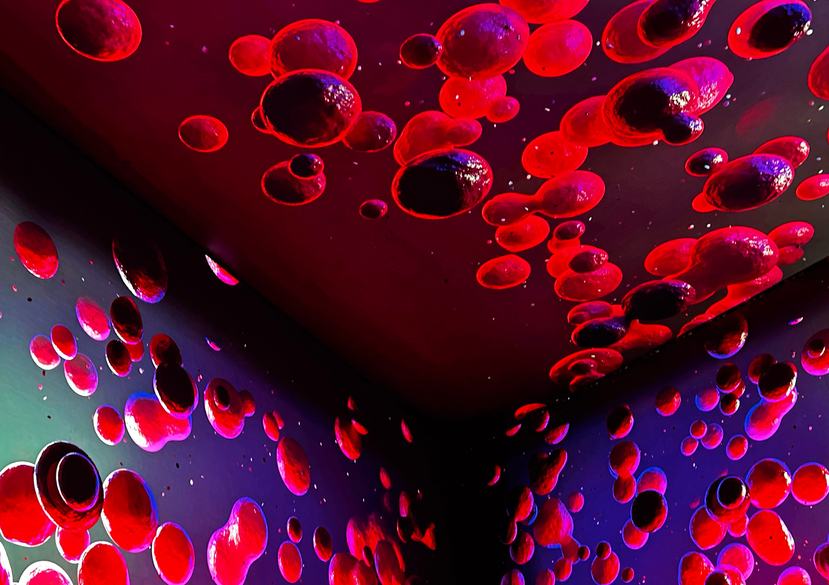
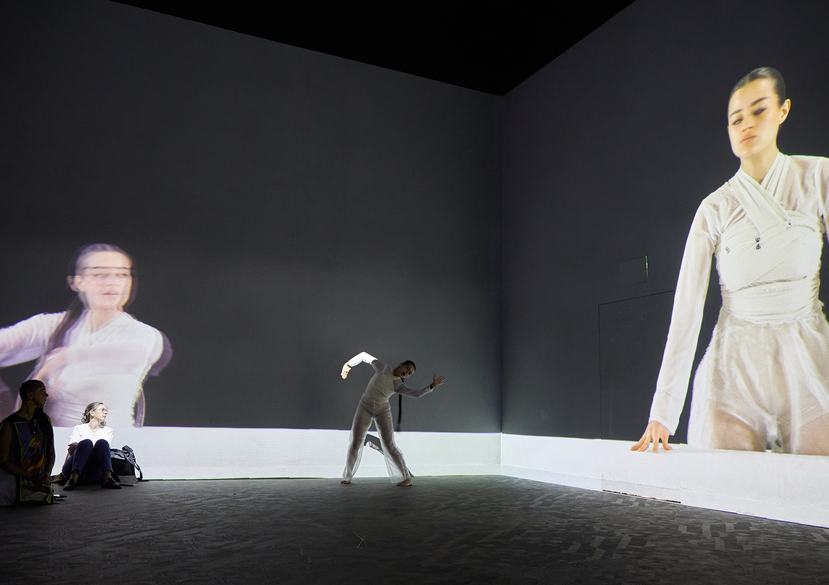
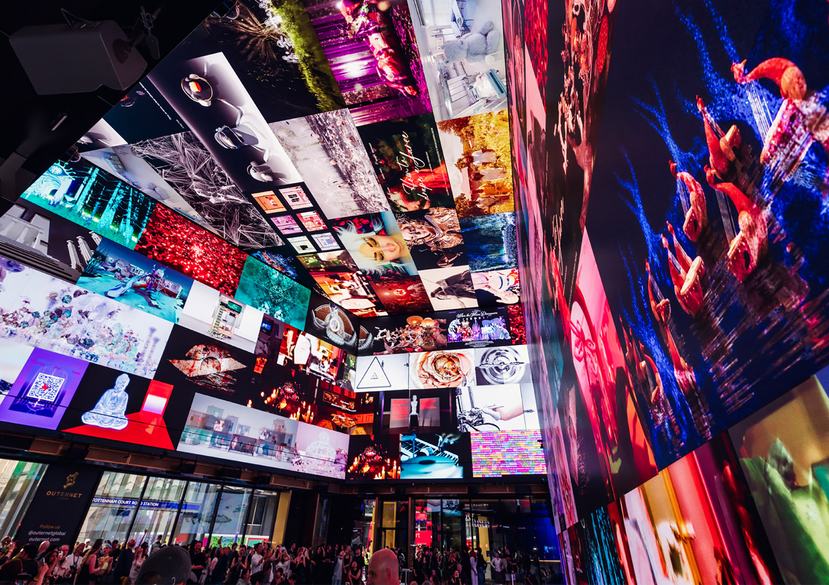


Staff









Facilities
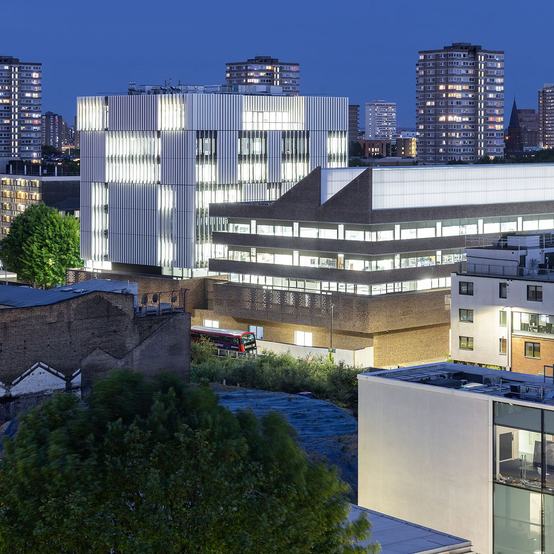
The School of Communication & Design is currently located on our White City site.
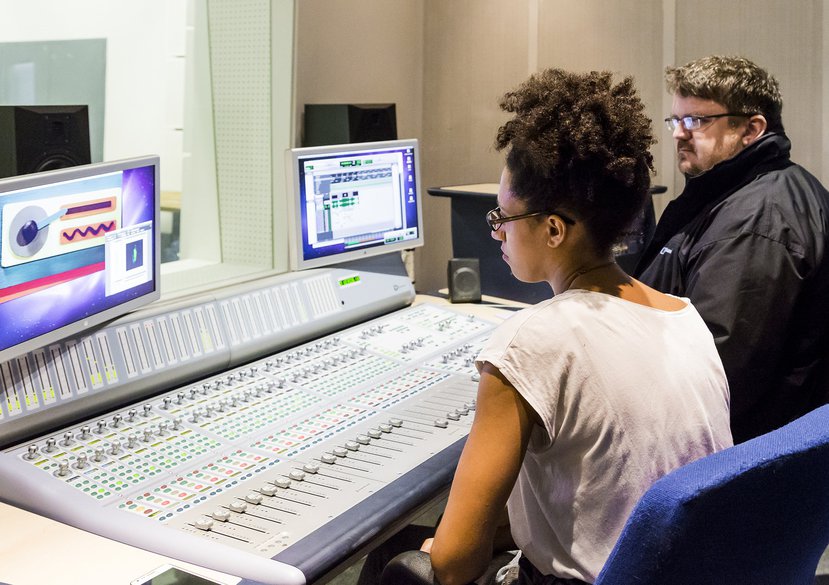
View all facilitiesOur mixed-use studios encourage collaborative working, thought, awareness and action. In addition, you have access to craft and technical workshop areas and excellent technical support in the College.

Our alumni
Our alumni form an international network of creative individuals who have shaped and continue to shape the world. Click on each name to find out more.
Where will the RCA take you?More details on what you'll study.
Find out what you'll cover on this programme.
What you'll cover
Programme structure
The MA programme is delivered across three terms, while the MFA is delivered over 6 terms. They feature a combination of programme, School and College units. These will include:
Year 1 MA
The Digital Narrative Arts MA programme provides a comprehensive, research-led platform for digital narrative practice, focused on knowledge and skills for developing and presenting compelling immersive and interactive narrative experiences that address urgent concerns in contemporary culture. Drawing sensitively from diverse storytelling and narrative practices, traditions and cultures, the programme encourages students to work with others to rethink and reframe what storytelling can be and how it can be combined responsibly with emerging technologies such as AI, XR and spatial computing.
Term 1
During Critical Stories (60 credits), we will explore the foundational approaches of the programme, focusing on critical, co-operative and experimental storytelling methods, media ecologies and artefacts. During the unit you will be introduced to diverse concepts and practices relevant to contemporary storytelling, media and communication. Working with others, you will be asked to explore emerging critical directions for digital storytelling practice; iteratively design a technical approach that applies digital storytelling technologies through creative and cooperative practice; and work with and in consideration of others to explore an urgent context in contemporary culture.
Term 2
Immersive Enquiries (45 credits) focuses on working critically and experimentally with immersive environments (not restricted to VR headsets), mobile platforms, and emerging areas of media practice to conceptualise, test and evaluate future directions. During the unit you will be asked to investigate urgent contexts and new approaches for immersive, real-world, digital storytelling; produce experimental content for extended reality contexts using relevant technical approaches; and work cooperatively with others to map the societal and environmental effects of your practice.
Also in Term 2, a choice of elective units will allow you to shape your own learning journey. You will have the opportunity to work alongside students from other programmes, bringing your practice into dialogue with the creative approaches of your peers. This could either be through tackling "wicked problems" from a range of different perspectives, by collaborating on themed interdisciplinary projects, or by exploring how mutual exchanges of ideas and interpretations can foster a socially engaged practice. A full list of elective options will be published in 2027.
Term 3
In the Independent Research Project (IRP) (60 credits), you will have the opportunity to work independently to develop a comprehensive programme of research-led practice, critically exploring a topic of your own choosing through individual or collaborative approaches. The unit provides scope for you to bring together the core competencies, methods and processes you have developed during the programme and to define, contextualise, produce and evaluate a substantial body of creative and critical research. During the unit you will be asked to devise, direct and produce an ambitious programme of creative research that critically and inclusively assesses a contemporary real-world digital storytelling concern. You will also be asked to apply ethical forms of professionalism and production within your practice; and to identify relevant audiences for your work, including outside your immediate network, and to develop and evaluate your practice with them. Through your research you will also be asked to show how your practice contributes to debates that are at the forefront of the field.
This MA is delivered over 45 weeks.
Year 2 MFA
Building directly on the MA, the MFA is for students who want to further develop and test new ways of applying advanced knowledge and skills in justice- and community-led, sustainable and global narrative practice with a wider range of partners and in real-world settings.
The MFA focuses on developing creative leadership in digital narrative arts, enabling students to experiment with new forms, knowledge, roles and technologies for immersive and interactive storytelling in creative practice, collective learning, research, policy, strategy and/or other responsible forms of innovation. This could take the form of leading a research project that could grow into an advanced research proposal; leading the development of new forms of narrative experiences; leading a collective or planning and developing a creative studio; or leading new applications for digital narratives in policy or related areas of practice.
Collective and collaborative learning is at the centre of the MFA, with students developing independently structured study approaches in conjunction with relevant audiences and organisations. Drawing from the RCA’s vibrant environment for research and innovation, these could include the RCA Immersive Acts Group, which provides a focus for the college’s immersive and interactive creative technology research, as well as the programme’s research and creative and cultural networks and industry partners.
During Advanced Practice in Context you will evolve your practice as a site of enquiry, developing a systematic understanding of relationships between concepts, processes, contexts, and outcomes. Through a combination of studio-based activity, working on location and with communities, critical reflection, and engagement with relevant disciplinary frameworks, you will refine your approach and develop a coherent research trajectory. By the end of the unit, you will be expected to demonstrate a clear and ambitious proposal for your MFA Advanced Practice Portfolio, evidencing both the conceptual grounding and practical feasibility of your intended work.
In the MFA Advanced Practice Portfolio, you will develop and realise a major, self-directed body of work. The unit is intentionally open in its structure, allowing for a wide range of approaches, media and outcomes, while maintaining a clear expectation of depth, rigour and coherence. You will be required to take full responsibility for the direction and management of your project, including the formulation of objectives, the selection and application of methods, and the organisation of your time and resources.
Learning environment
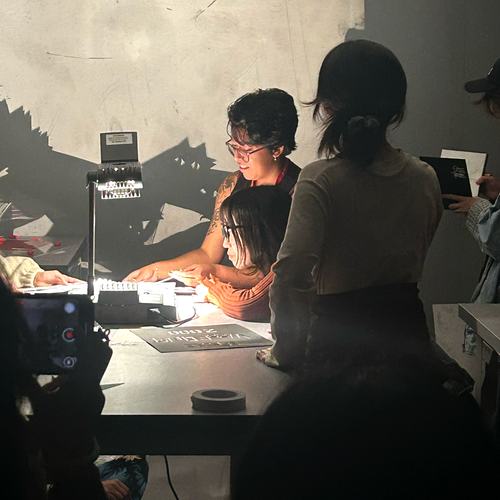
You will also learn from your fellow students, and they will learn from you. Each year a global cohort of students from diverse backgrounds, careers and life experiences joins our community. Peer-to-peer learning is a vital part of the RCA experience and this range of perspectives enriches students, igniting new ways of thinking and sparking innovation.
Outside of campus experience, you will have opportunities to explore London and immerse yourself in Europe's creative and cultural capital.
Examples of industry links





Requirements
What you need to know before you apply
Candidates are selected entirely on merit and applications are welcomed from all over the world. The selection process considers creativity, imagination and innovation as demonstrated in your portfolio, as well as your potential to benefit from the programme and to achieve high MA/MFA standards overall.
You will normally have completed an undergraduate qualification in a relevant subject or be able to evidence equivalent professional experience in fields such as filmmaking, broadcasting, media and communication, fine art, graphic design, sound, music, illustration, theatre, writing, HCI or digital production.
All candidates are required to submit an online portfolio of work to be assessed by the programme team; see below for more detail.
Candidates are selected on the basis of a body of work that demonstrates an advanced understanding of the subject and sufficient technical skill to realise intentions, evidence of commitment to the subject, intellectual curiosity, open-mindedness, the ability to collaborate, to engage in debate and respond to criticism, and the ability to engage in sustained and consistent study. We also look for enthusiasm for your practice and a strong sense of personal responsibility for your own learning and development.
What's needed from you
Portfolio requirements
Digital Narrative Arts addresses our urgent need for inclusive and relevant storytelling, examining the emergence of new technologies and time-based media (which means media that change over time, such as video, sound, immersive environments, mobile platforms, VR, AR, games etc) alongside the future of storytelling itself. The programme is for creative and critical practitioners with diverse backgrounds who want to experiment creatively and collectively with new narrative approaches driven by ethical, environmental, epistemological and social imperatives, and who have a passion for exploring how storytelling can inform positive change.
Please submit one PDF portfolio containing documentation of no more than three projects or pieces of work that evidence your match and potential for meeting the aims of our course. We expect to see evidence of great interest in using technology to push the boundaries of storytelling, as well as the ability to bring a critical perspective to the hype surrounding such technologies.
Please include a separate section within the PDF portfolio for each of your projects or pieces of work. If any of your projects or pieces of work involve collaboration, please clearly describe your individual contribution to the project or piece of work. We advise you to include one page on research, one page on project development, one page on outcome(s), and one page on testing and evaluation, for each of the projects or pieces of work in your PDF portfolio. Please ensure that all text in your PDF portfolio is minimum font size 11. PDF portfolios should be no more than 100MB and format your portfolio for screen (approx 16:9).
Please also upload any media files that relate to your three projects or pieces of work using the spaces provided in the application system. Please label each of your media files clearly so that we can understand how they relate to your PDF portfolio. Suggested naming format: Title of Project or Piece of Work, Name of Media File (for example: Whale Fall, 3D Animated Video).
We welcome career changers. If you do not have a technical or time-based media or storytelling background, please also explain how and why you want to expand your work into these areas.
Personal statement
Please provide a 300-word written personal statement that addresses the following points:
- Introduce yourself, your interests and your motivations for applying to the Royal College of Art, and to this programme in particular.
- Briefly summarise any educational background and professional experience to date that will support your application.
- Tell us what you want to do in the future.
Video requirements
You must submit a video of no more than two minutes as part of the application process.
In this video, please tell us why you want to join the programme:
- What stories do you want to tell?
- What ambitions do you have for your work?
- How can technology specifically enhance the stories you want to tell?
- What critical and conceptual perspectives will you bring to your studies?
- Which theoretical or philosophical ideas and texts have advanced your understanding of storytelling, media and technology today?
- What ideas interest you and why?
Research Proposal (MFA applicants only)
As well up uploading the above portfolio, statement and video, MFA applicants should additionally upload a short written proposal of no more than two pages setting out your initial ideas and intentions for the MFA second year, as well as the specific context(s) to which your proposed MFA studies relate.
English-language requirements
If you are not a national of a majority English-speaking country you will need the equivalent of an IELTS Academic or UKVI score of 6.5 overall (with a minimum of 5.5 in every component). Students achieving a grade of at least 6.0, with a grade of 5.5 in the Test of Written English, may be eligible to take the College’s English for Academic Purposes course to enable them to reach the required standard.
You are exempt from this requirement if you have received a 2.1 degree or above from a university in a majority English-speaking nation within the last five years.
If you need a Student Visa to study at the RCA, you will also need to meet the Home Office’s minimum requirements for entry clearance.
Fees & funding
For this programme
Fees for new students
Fees for September 2027 entry on this programme are outlined below. From 2021 onward, EU students are classified as Overseas for tuition fee purposes.
Home
Overseas and EU
Deposit
New entrants to the College will be required to pay a non-refundable deposit in order to secure their place. This will be offset against the tuition fees. Deposits for 2027 entry can be found below.
Home
Overseas and EU
Progression discount
For alumni who have completed an RCA Graduate Diploma and progress onto an RCA Master's programme, a progression discount of £1,000 is available. For alumni progressing from an RCA Master's to another RCA Master's, a progression discount of £2,000 is available (£1,000 per year for part-time programmes).
* Total cost is based on the assumption that the programme is completed in the timeframe stated in the programme details. Additional study time may incur additional charges.
Scholarships
Scholarships
Each year, the RCA scholarship programme supports hundreds of students. The following are examples of scholarships awarded for 2026/27, with additional awards added throughout the year.
GREAT Scholarship
In partnership with the British Council and the GREAT Britain Campaign, the RCA has announced the third year of GREAT Scholarships. For 2026/27 we are offering two scholarships to students from India and Turkey.
Eligible programmes: Interior Design MA, Environmental Architecture & Urban Design MA, Ceramics & Glass MA, Contemporary Art Practice MA/MFA, Curating Contemporary Art MA, V&A/RCA History of Design MA, Jewellery & Metal MA, Painting MA, Photography MA, Print MA, Sculpture MA, Writing MA, Animation MA, Digital Narrative Arts MA/MFA, Information Experience Design MA, Visual Communication MA, Design Products MA/MDes, Fashion MA, Intelligent Mobility Design MA/MDes, Service Design MA, Textiles MA, Creative Education MEd, Communication MFA, Master of Research RCA MRes, Design Futures MA, Arts & Humanities MFA, Design Practice MArch
Other criteria: None
Eligible fee status: Overseas fee status
Value: £10,000 toward fees
House of Fraser Bursary
Eligible programmes: Architecture MArch (ARB/RIBA), Interior Design MA, Environmental Architecture & Urban Design MA, Ceramics & Glass MA, Contemporary Art Practice MA/MFA, Curating Contemporary Art MA, V&A/RCA History of Design MA, Jewellery & Metal MA, Painting MA, Photography MA, Print MA, Sculpture MA, Writing MA, Animation MA, Digital Narrative Arts MA/MFA, Information Experience Design MA, Visual Communication MA, Design Products MA/MDes, Fashion MA, Innovation Design Engineering MA/MSc, Intelligent Mobility Design MA/MDes, Service Design MA, Textiles MA
Other criteria: None
Eligible fee status: Home fee status
Value: £10,000 toward fees
Leathersellers' Bursary
For students using leather in their practice
Eligible programmes: Architecture MArch (ARB/RIBA), Interior Design MA, Environmental Architecture & Urban Design MA, Ceramics & Glass MA, Contemporary Art Practice MA/MFA, Curating Contemporary Art MA, V&A/RCA History of Design MA, Jewellery & Metal MA, Painting MA, Photography MA, Print MA, Sculpture MA, Writing MA, Animation MA, Digital Narrative Arts MA/MFA, Information Experience Design MA, Visual Communication MA, Design Products MA/MDes, Fashion MA, Innovation Design Engineering MA/MSc, Intelligent Mobility Design MA/MDes, Service Design MA, Textiles MA
Other criteria: None
Eligible fee status: Home or overseas status
Value: £6,000 towards living costs
Pokémon Scholarship
Eligible programmes: Architecture MArch (ARB/RIBA), Ceramics & Glass MA, Jewellery & Metal MA, Sculpture MA, Digital Narrative Arts MA/MFA, Information Experience Design MA, Visual Communication MA, Design Products MA/MDes, Fashion MA, Innovation Design Engineering MA/MSc, Intelligent Mobility Design MA/MDes, Textiles MA
Other criteria: None
Eligible fee status: Home or overseas status
Value: If Home: Full Tuition Fee & Maintenance. If Overseas: Tuition Fee Discount
RCA President & Vice-Chancellor’s International
Round 1 and 2 programme applications will be automatically assessed for one of these scholarships. If you are successful, you will be told about this at the same time as receiving your RCA programme offer.
Eligible programmes: Architecture MArch (ARB/RIBA), Interior Design MA, Environmental Architecture & Urban Design MA, Ceramics & Glass MA, Contemporary Art Practice MA/MFA, Curating Contemporary Art MA, V&A/RCA History of Design MA, Jewellery & Metal MA, Painting MA, Photography MA, Print MA, Sculpture MA, Writing MA, Animation MA, Digital Narrative Arts MA/MFA, Information Experience Design MA, Visual Communication MA, Design Products MA/MDes, Fashion MA, Innovation Design Engineering MA/MSc, Intelligent Mobility Design MA/MDes, Service Design MA, Textiles MA, Creative Education MEd, Communication MFA, Master of Research RCA MRes, Design Futures MA, Arts & Humanities MFA, Design Practice MArch
Other criteria: Applicants from Australia, Brazil, Canada, Chile, Colombia, Denmark, Egypt, France, Germany, Greece, Hong Kong, India, Indonesia, Israel, Italy, Japan, Malaysia, Mexico, Netherlands, Nigeria, Pakistan, Palestine, Poland, Portugal, Saudi Arabia, Singapore, South Korea, Spain, Switzerland, Taiwan, Thailand, Turkey, UAE, USA
Eligible fee status: Overseas fee status
Value: £9,000 toward fees
RCA President & Vice-Chancellor’s UK Scholarship
Round 1 and 2 programme applications will be automatically assessed for one of these scholarships. If you are successful, you will be told about this at the same time as receiving your RCA programme offer.
Eligible programmes: Architecture MArch (ARB/RIBA), Interior Design MA, Environmental Architecture & Urban Design MA, Ceramics & Glass MA, Contemporary Art Practice MA/MFA, Curating Contemporary Art MA, V&A/RCA History of Design MA, Jewellery & Metal MA, Painting MA, Photography MA, Print MA, Sculpture MA, Writing MA, Animation MA, Digital Narrative Arts MA/MFA, Information Experience Design MA, Visual Communication MA, Design Products MA/MDes, Fashion MA, Innovation Design Engineering MA/MSc, Intelligent Mobility Design MA/MDes, Service Design MA, Textiles MA, Creative Education MEd, Communication MFA, Master of Research RCA MRes, Design Futures MA, Arts & Humanities MFA, Design Practice MArch
Other criteria: None
Eligible fee status: Home fee status
Value: £5,000 toward fees
The RCA Sanctuary Scholarship
For full details please see here: www.rca.ac.uk/study/apply-to-study/funding-your-studies/rca-scholarships-and-awards/the-rca-sanctuary-scholarship/
Eligible programmes: Interior Design MA, Environmental Architecture & Urban Design MA, Ceramics & Glass MA, Contemporary Art Practice MA/MFA, Curating Contemporary Art MA, V&A/RCA History of Design MA, Jewellery & Metal MA, Painting MA, Photography MA, Print MA, Sculpture MA, Writing MA, Animation MA, Digital Narrative Arts MA/MFA, Information Experience Design MA, Visual Communication MA, Design Products MA/MDes, Fashion MA, Intelligent Mobility Design MA/MDes, Service Design MA, Textiles MA, Creative Education MEd, Communication MFA, Master of Research RCA MRes, Design Futures MA, Arts & Humanities MFA, Design Practice MArch
Other criteria: None
Eligible fee status: Home or overseas status
Value: Full fees & support package up to the value of £20,000 pa (depending on the awardee’s circumstances)
The RCA UK Cost of Living Scholarship
Eligible programmes: Architecture MArch (ARB/RIBA), Interior Design MA, Environmental Architecture & Urban Design MA, Ceramics & Glass MA, Contemporary Art Practice MA/MFA, Curating Contemporary Art MA, V&A/RCA History of Design MA, Jewellery & Metal MA, Painting MA, Photography MA, Print MA, Sculpture MA, Writing MA, Animation MA, Digital Narrative Arts MA/MFA, Information Experience Design MA, Visual Communication MA, Design Products MA/MDes, Fashion MA, Innovation Design Engineering MA/MSc, Intelligent Mobility Design MA/MDes, Service Design MA, Textiles MA, Creative Education MEd, Communication MFA, Master of Research RCA MRes, Design Futures MA, Arts & Humanities MFA, Design Practice MArch
Other criteria: None
Eligible fee status: Home fee status
Value: £5,000 towards living costs
The RCA UK Disabled Students’ Scholarship
For students who identify as D/deaf or disabled
Eligible programmes: Architecture MArch (ARB/RIBA), Interior Design MA, Environmental Architecture & Urban Design MA, Ceramics & Glass MA, Contemporary Art Practice MA/MFA, Curating Contemporary Art MA, V&A/RCA History of Design MA, Jewellery & Metal MA, Painting MA, Photography MA, Print MA, Sculpture MA, Writing MA, Animation MA, Digital Narrative Arts MA/MFA, Information Experience Design MA, Visual Communication MA, Design Products MA/MDes, Fashion MA, Innovation Design Engineering MA/MSc, Intelligent Mobility Design MA/MDes, Service Design MA, Textiles MA, Creative Education MEd, Communication MFA, Master of Research RCA MRes, Design Futures MA, Arts & Humanities MFA, Design Practice MArch
Other criteria: None
Eligible fee status: Home fee status
Value: £6,000 towards living costs
The Sir Frank Bowling Scholarship
For students identifying as Black or Black British - Caribbean, Black or Black British - African, Other Black background, Mixed - White and Black Caribbean, Mixed - White and Black African
Eligible programmes: Architecture MArch (ARB/RIBA), Interior Design MA, Environmental Architecture & Urban Design MA, Ceramics & Glass MA, Contemporary Art Practice MA/MFA, Curating Contemporary Art MA, V&A/RCA History of Design MA, Jewellery & Metal MA, Painting MA, Photography MA, Print MA, Sculpture MA, Writing MA, Animation MA, Digital Narrative Arts MA/MFA, Information Experience Design MA, Visual Communication MA, Design Products MA/MDes, Fashion MA, Innovation Design Engineering MA/MSc, Intelligent Mobility Design MA/MDes, Service Design MA, Textiles MA, Creative Education MEd, Communication MFA, Master of Research RCA MRes, Design Futures MA, Arts & Humanities MFA, Design Practice MArch
Other criteria: None
Eligible fee status: Home fee status
Value: Full fees and maintenance
Even if you do not currently see a scholarship for which you meet the eligibility criteria, we encourage you to apply to be considered for financial support.
Unless otherwise stated, you must apply in either round 1 or 2, and have received an offer of study on an RCA programme to be invited to make a scholarship application. Therefore, we strongly recommend you apply for your programme as early as possible but no later than the round 2 deadline.
More information
Additional fees
In addition to your programme fees, please be aware that you may incur other additional costs associated with your study during your time at RCA. Additional costs can include purchases and services (without limitation): costs related to the purchase of books, paints, textiles, wood, metal, plastics and/or other materials in connection with your programme, services related to the use of printing and photocopying, lasercutting, 3D printing and CNC. Costs related to attending compulsory field trips, joining student and sport societies, and your Convocation (graduation) ceremony.
If you wish to find out more about what type of additional costs you may incur while studying on your programme, please contact the Head of your Programme to discuss or ask at an online or in person Open Day.
We provide the RCASHOP online, and at our Kensington and Battersea Campuses – this is open to students and staff of the Royal College of Art only to provide paid for materials to support your studies.
We also provide support to our students who require financial assistance whilst studying, including a dedicated Materials Fund.
External funding
There are many funding sources, with some students securing scholarships and others saving money from working. It is impossible to list all the potential funding sources; however, the following information could be useful.
Payments
Tuition fees are due on the first day of the academic year and students are sent an invoice prior to beginning their studies. Payments can be made in advance, on registration or in two instalments.
Experience
The social media content shown here reflects past and current student activity and is provided for illustrative purposes only. Experiences on the programme may vary and are subject to change for future students.
Start your application
Change your life and be here in 2027. Applications now open.
The Royal College of Art welcomes applicants from all over the world.
Before you begin
Make sure you've read and understood the application process and deadlines.
Application key datesCheck you the programme-specific entrance and portfolio requirements on the programme page.
Consider attending an Open Event, either online or in person, or watch recordings of previous events.
See upcoming events and recordingsPlease note, all applications must be submitted by 12 noon on the given deadline.
Ask a question
Get in touch if you’d like to find out more or have any questions.
More opportunities to study at the RCA
Related programmes