Overview
Innovative approaches to print
Key details
- 180 credits
- 1 year / 45 week programme
- Full-time study
School or Centre
Current location
- Battersea
Next open event
- 5 May 2026
- Join Online Q&A Week
Next application deadline
- 3 Jun 2026
- Still accepting applications
Career opportunities
- Our graduates go on to become exhibiting artists, curators, and designers. Many establish their own print studios, workshops, and residencies. Others become publishers and collaborators. Print graduates also pursue academic paths, with many leading university print programmes or undertaking PhDs to research archives and technologies worldwide.
Understand print through making, exhibiting, publishing, discussion and writing.

- Study a specialist programme that focuses on print and the technical image from the perspective of contemporary art practice
- Learn from practising artists working in a wide range of media who share a fascination with the centrality of print in contemporary life
- Visit exhibitions and archives across London to share experiences with your peers and explore the history and centrality of print
Print at the RCA is concerned with the rich cultural legacies of printed matter and how technically mediated images reshape our world. Our approach to print is expansive and innovative, reflecting the centrality of print within contemporary art and culture. Print is explored through making, engaging with archives and global media, and methods of presentation and publishing.
We welcome applicants from a diverse and broad range of backgrounds and art practices. We aim to foster your unique potential and help you thrive within a supportive environment.
Through workshops, artist’s talks, seminars and tutorials we help develop your skills in making, discussing and disseminating work.
Our position within this internationally renowned art school, and our unique London setting, provides a critical backdrop to explore the traditions and future potential of print.
Explore further and apply now
Catch the replays from our latest online Open Day.
Watch portfolio advice from the programme team.
Applications are now open for September 2026 entry. Round 3 application deadline: 3 June 2026, 12 noon (UK time). Apply now.
Student and alumni stories
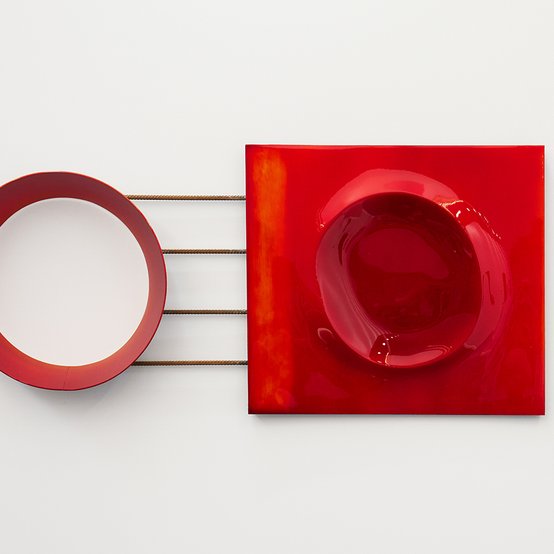
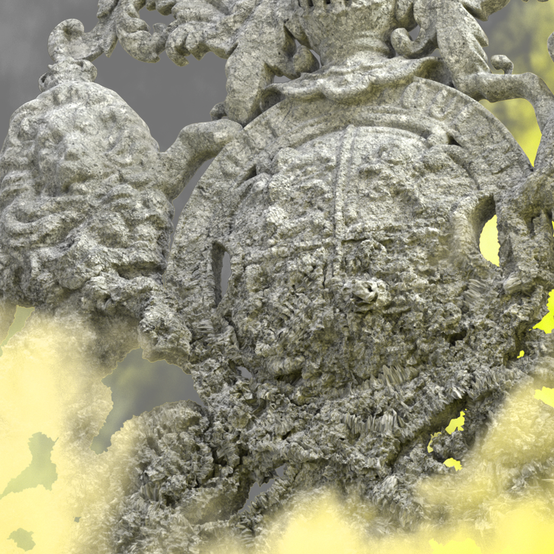
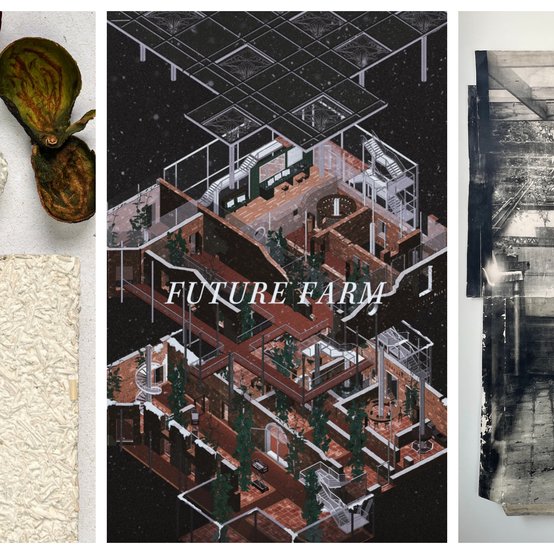

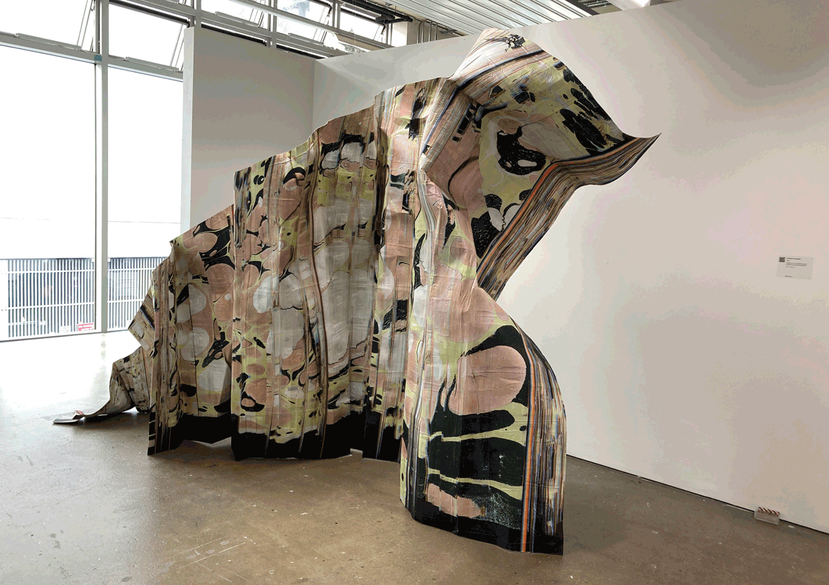
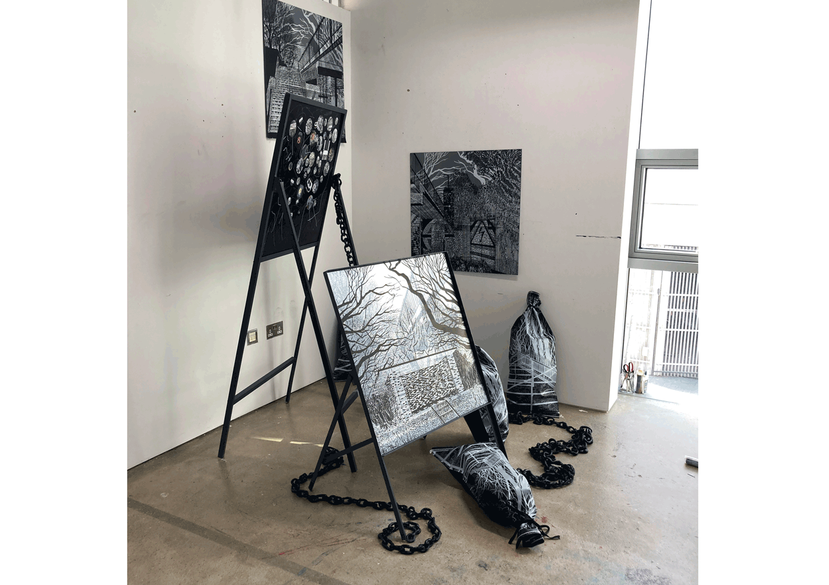
Gallery
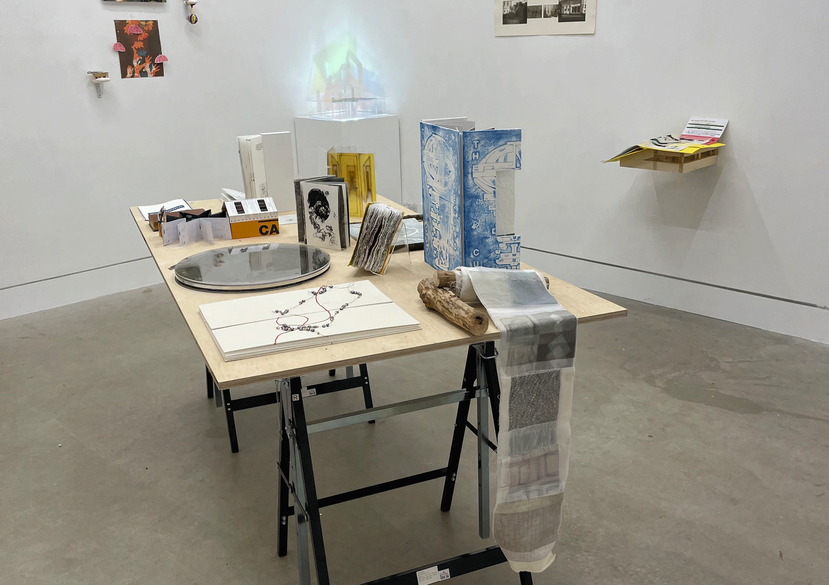
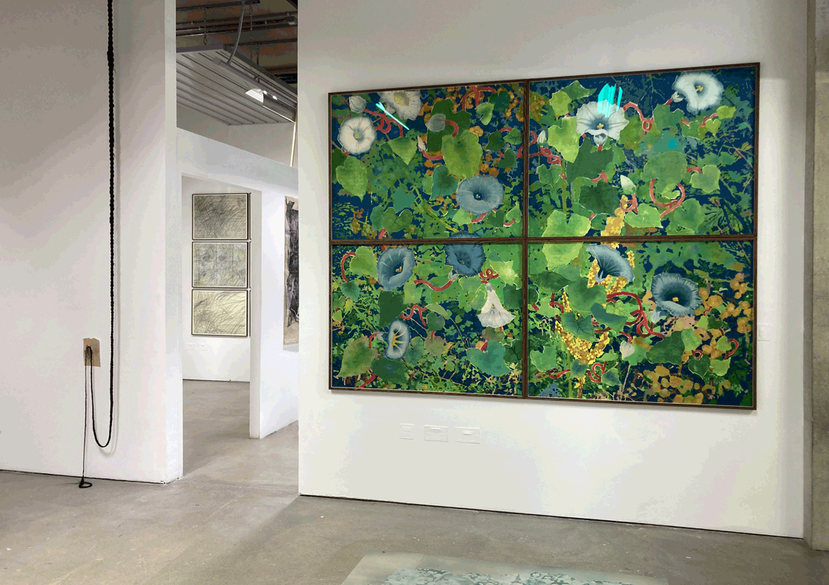
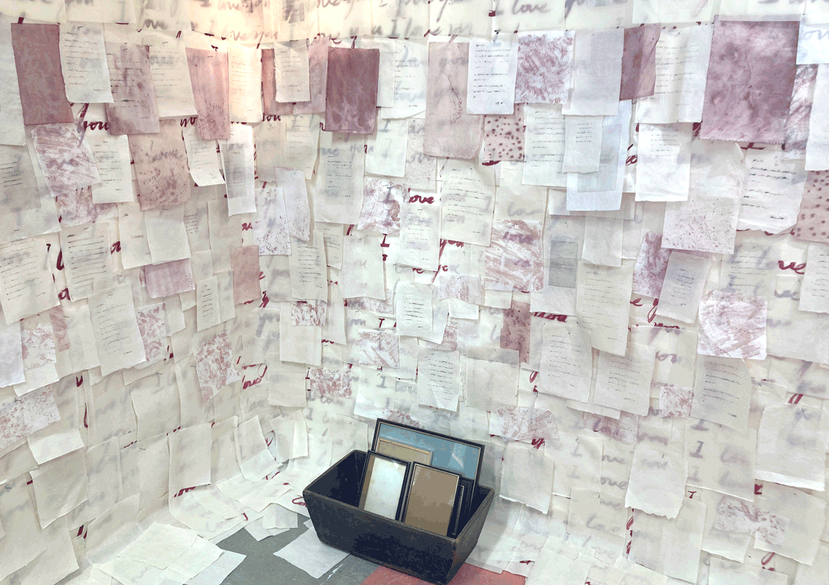
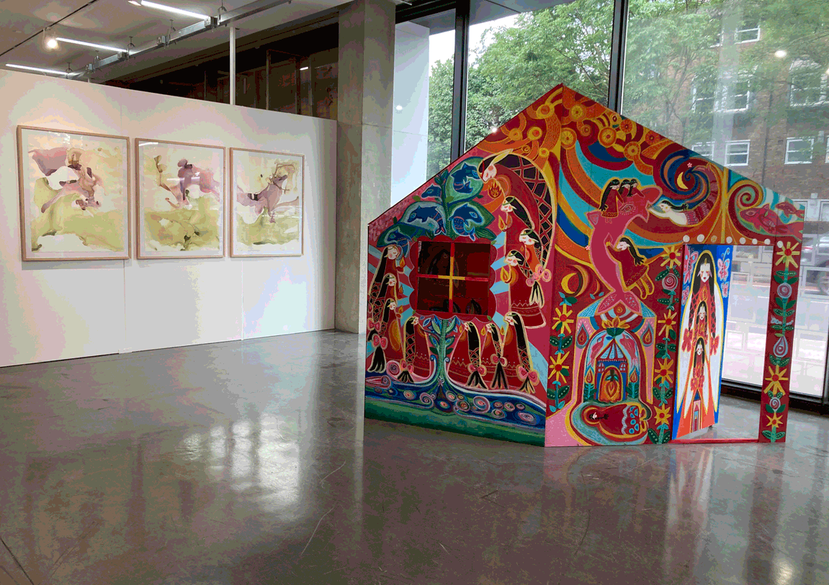
Staff







Facilities
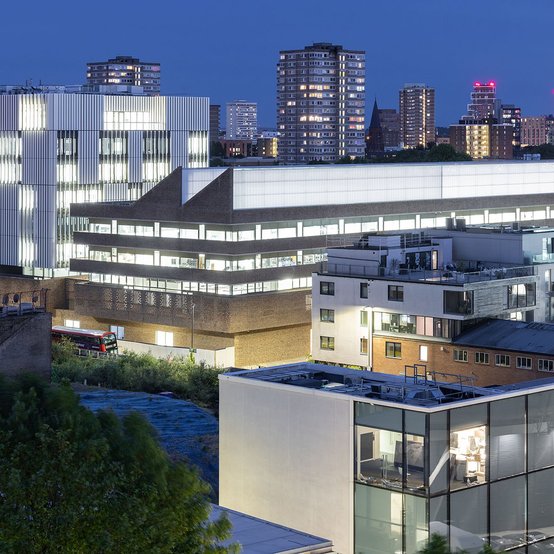
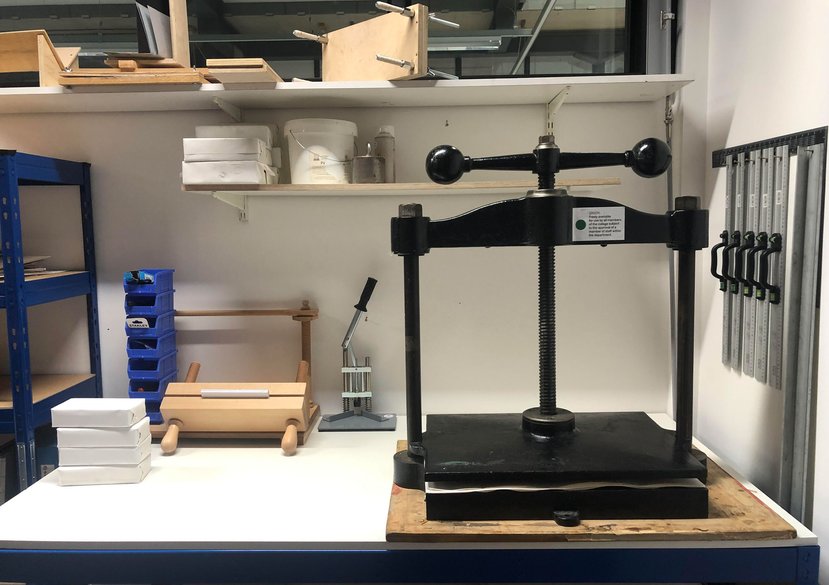
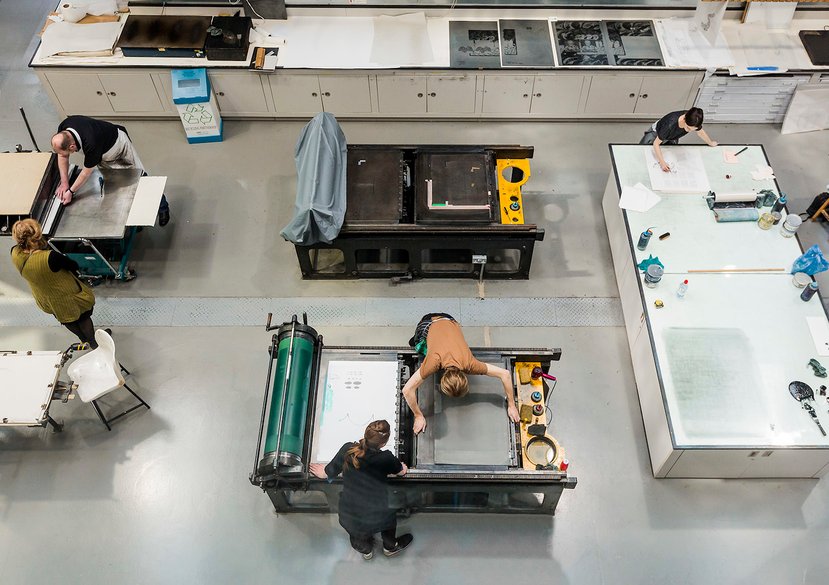
The School of Arts & Humanities is located across our Battersea and Kensington sites.
View all facilitiesAll full-time students on fine or applied arts programmes are provided with studios or workspace, and access to specialist workshops. There are a number of bookable seminar and project spaces across the site available to all Arts & Humanities students.


Our alumni
Our alumni form an international network of creative individuals who have shaped and continue to shape the world. Click on each name to find out more.
Where will the RCA take you?More details on what you'll study.
Find out what you'll cover in this programme.
What you'll cover
What will I learn?
Throughout your studies, you will debate questions of originality, authenticity, and value in the realm of multiplying images. You will navigate the intricate difference between hard copy and screen-based images, amidst discussions about NFTs as well as the role of social media.
Your work will be enhanced by access to well-equipped technical workshops although you will not be expected to develop new technical approaches. Rather, a key focus of your study will be to reflect on how technologies are used to communicate and distribute images, ideas and understandings.
Programme structure
Term 1
Orientation, Induction and Experimentation (45 credits)
We begin with the notion of orientation, a term originating from ‘orient’, ‘a person's basic attitude, beliefs, or feelings in relation to a particular subject or issue.’
- Where do I begin?
- What is my current practice/interest /skill set?
- What interests me in the wider field?
- What work by other artists/writers is relevant to my practice?
- How do I describe/speak about what I do?
The programme will start with a series of orientation sessions and technical inductions. Seminars and external visits to exhibitions and archives will help you understand the expanded field of Print in the context of the broad field of contemporary art. You will be encouraged to experiment with new ways of making to challenge existing models of thinking and demonstrate this through studio practice.
You'll also take AcrossRCA (15 credits), which supports you in working across disciplines to use creative and critical thinking and practice and collaborative approaches to respond to urgent contemporary themes.
Term 2
Development and Context (30 credits)
The aim of this unit is to focus on deepening an engagement with both producing work and through discussion, understanding the ways in which it might be read, displayed and contextualised. To this end the holding of a group exhibition/event, and a publication project give you deadlines and experience of professional contexts.
Urgency of the Arts - School-wide unit (15 credits)
In term 2, School of Arts and Humanities Masters’ students will participate in a School-wide unit called "The Urgency of the Arts." In this unit we ask how arts and humanities research and practice can engage with our current socio-political climate, and how might it shape, be necessary and essential in contemporary cultural debates.
The unit introduces you to a diverse range of perspectives, approaches and methods relevant to contemporary practice and thought in the arts and humanities. The delivery, predominantly based on workshops and featuring specialist presentations by leading artists, aims to assist you in recognizing, questioning, expanding, and reevaluating your own artistic practices and disciplinary assumptions. Through interactions with staff and students from across the School, as well as through a variety of methodological approaches, you will develop an understanding of the contemporary concerns that shape and influence artistic practice. You will be encouraged to reflect on these as a means to articulate the potential of your own work within the context of broad cultural landscapes and urgent cultural debates.
You'll also take the Core Skills unit (15 credits) supports you in advancing your academic and professional skills to aid the development of your personal projects at the RCA and beyond in your professional practice and career.
Term 3
Independent Research Project (60 credits)
The 60-credit Independent Research Project (IRP) is an opportunity to build a body of work that addresses the key ambitions of your research and practice. You will work towards presenting a work (or works) in the IRP Public Exhibition, which enables you to explore how you can activate your work in a public context, experiment with the most appropriate forms of realising your ideas and gain critical feedback. The IRP public event takes place during the unit and will be followed by a period of reflection and further development, which emphasises planning for continued practice and research post-graduation.
The IRP emphasises the sharing of work with an audience. The focus is on completing work which synthesises and builds on your studies in the previous two terms. You will be expected to make and exhibit in the context of a group exhibition. Most Print students would work in exhibition, though a few may choose publication as the principal form. You will have submitted a plan for your independent research project at the end of the second term based on the experience of the exhibition and publications projects in the Development and Context unit.
In the weeks after the public event you will be encouraged to build upon your practices, consolidating the skills you have developed across the year, both technical and conceptual. This will be in dialogue with tutors and technical staff helping you to realise ongoing works and the articulation of a professional identity as an artist, as you consider your practice looking forward. You will not be expected to develop new technical approaches but only build on skills gained where appropriate. This period will include opportunities to share work in progress and your plans for the future with peers, discussion of potential projects, publicising work and preparation for exhibitions and events outside the RCA timeline. Thinking ahead to accessing resources for artists and considering access to print facilities, this will be a period for reflection and preparation.
This MA is delivered over 45 weeks.
AcrossRCA and Core Skills
AcrossRCA
At the RCA we are working – as artists, designers, architects, historians, writers and curators – within physical and digital worlds that are undergoing constant change, and defined by shifting complexities and interconnections. The 15-credit AcrossRCA unit supports you in working across disciplines to use creative and critical thinking and practice and collaborative approaches to respond to urgent contemporary themes.
The unit revolves around a set of thematic pillars that reflect key areas of flux, uncertainty and complexity that cut across local, global, individual and collective contexts today. Working in interdisciplinary collaborative groups, you will develop your thinking and reflections on a key issue, question or tension under the umbrella of a larger theme as you generate a creative response. The focus is on learning through the process of the collaborative development of an idea. Rather than aiming for a completed product, solution or concrete answer, AcrossRCA is about an openness to what is generated through experimentation, dialogue and reflexivity. What happens when we move across disciplinary borders and put the kinds of knowledge, experience and skills we each bring to the RCA into conversation with others?
This provides you with opportunities to:
- share and adapt approaches from your personal practices and/or discipline;
- collaborate with peers outside your programme;
- interrogate collaboration through experimenting with and reflecting on collaborative models and approaches, and thinking about what your practice means in relation to others;
- critically reflect on your responsibilities as a creative practitioner and the role of creative practice in making our understanding and experience of the world;
- position your practice and skills and what you bring to a team and larger context.
This engagement with perspectives and practices from across disciplines and across the College is designed to complement your disciplinary studies, feed back into your individual work, and provide you with a platform to thrive beyond graduation.
Core Skills
The Core Skills unit (15 credits) supports you in advancing your academic and professional skills to aid the development of your personal projects at the RCA and beyond in your professional practice and career. The unit also supports you in moving from Term 1 to the independent work you will undertake in your IRP in Term 3, as an opportunity to more deeply and systematically develop and deploy select core skills related to your practice. The transferable academic and professional skills covered in this unit reflect those required of a postgraduate student, and are adapted by Schools and programmes according to specific disciplinary perspectives and requirements. The Core Skills complement the work you are undertaking in your programme units and underpins and elevates the development of your future direction. The Core Skills will focus on specific skills most relevant to your expanded discipline, which may come under areas including inclusive, critical, sustainable and ethical approaches, the networks of knowledge, practice and communication within which your work sits, and the positioning of your practice. Throughout, the unit emphasises how these skills are situated not only disciplinarily within art, design, architecture, communication and humanities practices, but also within larger contexts, inside and in the world beyond.
The unit is informed by the following three themes:
- Making Meaning: How does questioning and contextualising inform the development of your practice? This theme builds on skills in critical and creative thinking, reflective practice, navigating complexity and research.
- Making Together: How do we think and make in dialogue and collaboration with others? This theme encompasses skills such as inclusive, ethical and sustainable practice, and peer learning and building networks.
- Making Public: How is your work and practice positioned within larger ecologies? Exploration of this theme may include developing skills in engagement, communication, entrepreneurship and leadership.
Collaborators
-

Woolwich Contemporary Print Fair
-

Travers Smith




-
Woolwich Contemporary Print Fair
-
Travers Smith
Requirements
What you need to know before you apply
Candidates are selected entirely on merit and applications are welcomed from all over the world. The selection process considers creativity, imagination and innovation as demonstrated in your portfolio, as well as your potential to benefit from the programme and to achieve high MA standards overall.
You’re expected to have completed a BA degree. In recent years, students have come from fine art, printmaking, painting, sculpture, photo media, conservation, illustration, design, textiles, architecture and interactive arts courses. While many students enter the course after years of independent work, we also accept students directly from undergraduate courses.
We are looking for candidates who are excited about the potential of engaging with the College-wide peer group, and making the most of the educational opportunities the Programme offers. You may not have made prints before but should have a keen interest in the nature of the multiplied image and the desire to investigate the ideas we engage with.
What's needed from you
Portfolio requirements
The portfolio allows us to see your work and the interests you want to develop during the MA. Alongside applications working with Print Media, we have accepted people from all fine art disciplines, public art, design, illustration, literature, architecture or who have a practice developed in industry or independently. We want students who are interested in the multiplied image and how the translation of images into different materials/media and their distribution across different sites affects their meaning. We are not a course to simply learn techniques, so do not write at length about technical issues. However, digital technologies have changed how we think about and make images, and you may want to reference this as you write about the context for your work.
In this portfolio, please submit clear images of the work you have made. including title, date, media and size if appropriate.
You have five slots and each can accept up to four images. Do not overload the slots with too many images or complex PDFs. Be concise. You may use each slot to show how a work/project evolved from start to completion. Use all available slots and limit the time of moving image works to 2 minutes maximum.
We want to learn about:
- The work: how you approach making and developing your work
- The context: what ideas, issues, or themes you explore and what influences those interests. You may reference any influences related in some way to your work.
Personal statement
Please provide a 300-word written personal statement that addresses the following points:
- Introduce yourself, your interests and your motivations for applying to the Royal College of Art, and to this programme in particular.
- Briefly summarise any educational background and professional experience to date that will support your application.
- Tell us what you want to do in the future.
Video requirements
We ask that you upload a two-minute video recorded on your phone or laptop, speaking to us directly. High production qualities are not needed. We will review the work in your portfolio, so keep your video simple.
Use the video to share with us a response to the following. Print is an expansive field of activity, drawing on a wealth of historical, material, and conceptual positions, and embracing very different ways of thinking and making.
- What excites you about exploring this field?
- Choose an example from your portfolio which you consider your most successful work to date. You may choose to show documentation or point to actual works. Tell us why you feel it is successful and what choices you made technically and conceptually in creating it. We would prefer something self-initiated rather than a response to a brief, but this is not essential.
- Tell us what work you wish to develop during your time at the RCA. What will you particularly bring to the programme? What do we need to know about you?
English-language requirements
If you are not a national of a majority English-speaking country you will need the equivalent of an IELTS Academic or UKVI score of 6.5 overall (with a minimum of 5.5 in every component). Students achieving a grade of at least 6.0, with a grade of 5.5 in the Test of Written English, may be eligible to take the College’s English for Academic Purposes course to enable them to reach the required standard.
You are exempt from this requirement if you have received a 2.1 degree or above from a university in a majority English-speaking nation within the last five years.
If you need a Student Visa to study at the RCA, you will also need to meet the Home Office’s minimum requirements for entry clearance.
Fees & funding
For this programme
Fees for new students
Fees for September 2026 entry on this programme are outlined below. From 2021 onward, EU students are classified as Overseas for tuition fee purposes.
Home
Overseas and EU
Deposit
New entrants to the College will be required to pay a non-refundable deposit in order to secure their place. This will be offset against the tuition fees. Deposits for 2026 entry will be confirmed in September 2025; 2025 deposit rates below for reference.
Home
Overseas and EU
Progression discount
For alumni who have completed an RCA Graduate Diploma and progress onto an RCA MA programme, a progression discount of £1,000 is available. For alumni progressing from an RCA Master's to another RCA Master's, a progression discount of £2,000 is available (£1,000 per year for part-time programmes).
* Total cost is based on the assumption that the programme is completed in the timeframe stated in the programme details. Additional study time may incur additional charges.
Scholarships
Scholarships
Each year, the RCA scholarship programme supports hundreds of students. The following scholarships are confirmed for this programme, with additional awards added throughout the year.
GREAT Scholarship
In partnership with the British Council and the GREAT Britain Campaign, the RCA has announced the third year of GREAT Scholarships. For 2026/27 we are offering two scholarships to students from India and Turkey.
Eligible programmes: Interior Design MA, City Design MA, Environmental Architecture MA, Ceramics & Glass MA, Contemporary Art Practice MA, Curating Contemporary Art MA, V&A/RCA History of Design MA, Jewellery & Metal MA, Painting MA, Photography MA, Print MA, Sculpture MA, Writing MA, Animation MA, Digital Direction MA, Information Experience Design MA, Visual Communication MA, Design Products MA, Fashion MA, Intelligent Mobility MA, Service Design MA, Textiles MA, Creative Education MEd, Communication MFA, Master of Research RCA MRes, Design Futures MDes, Arts & Humanities MFA, Design Practice MArch
Other criteria: None
Eligible fee status: Overseas fee status
Value: £10,000 toward fees
House of Fraser Bursary
Eligible programmes: Architecture MA Architecture (ARB/RIBA Part 2), Interior Design MA, City Design MA, Environmental Architecture MA, Ceramics & Glass MA, Contemporary Art Practice MA, Curating Contemporary Art MA, V&A/RCA History of Design MA, Jewellery & Metal MA, Painting MA, Photography MA, Print MA, Sculpture MA, Writing MA, Animation MA, Digital Direction MA, Information Experience Design MA, Visual Communication MA, Design Products MA, Fashion MA, Innovation Design Engineering MA/MSc, Intelligent Mobility MA, Service Design MA, Textiles MA
Other criteria: None
Eligible fee status: Home fee status
Value: £10,000 toward fees
Leverhulme Arts Scholarship
Eligible programmes: Contemporary Art Practice MA, Painting MA, Photography MA, Print MA, Sculpture MA
Other criteria: None
Eligible fee status: Home fee status
Value: £10,000 toward living costs
RCA President & Vice-Chancellor’s International
Round 1 and 2 programme applications will be automatically assessed for one of these scholarships. If you are successful, you will be told about this at the same time as receiving your RCA programme offer.
Eligible programmes: Architecture MA Architecture (ARB/RIBA Part 2), Interior Design MA, City Design MA, Environmental Architecture MA, Ceramics & Glass MA, Contemporary Art Practice MA, Curating Contemporary Art MA, V&A/RCA History of Design MA, Jewellery & Metal MA, Painting MA, Photography MA, Print MA, Sculpture MA, Writing MA, Animation MA, Digital Direction MA, Information Experience Design MA, Visual Communication MA, Design Products MA, Fashion MA, Innovation Design Engineering MA/MSc, Intelligent Mobility MA, Service Design MA, Textiles MA, Creative Education MEd, Communication MFA, Master of Research RCA MRes, Design Futures MDes, Arts & Humanities MFA, Design Practice MArch
Other criteria: Applicants from Australia, Brazil, Canada, Chile, Colombia, Denmark, Egypt, France, Germany, Greece, Hong Kong, India, Indonesia, Israel, Italy, Japan, Malaysia, Mexico, Netherlands, Nigeria, Pakistan, Palestine, Poland, Portugal, Saudi Arabia, Singapore, South Korea, Spain, Switzerland, Taiwan, Thailand, Turkey, UAE, USA
Eligible fee status: Overseas fee status
Value: £9,000 toward fees
RCA President & Vice-Chancellor’s UK Scholarship
Round 1 and 2 programme applications will be automatically assessed for one of these scholarships. If you are successful, you will be told about this at the same time as receiving your RCA programme offer.
Eligible programmes: Architecture MA Architecture (ARB/RIBA Part 2), Interior Design MA, City Design MA, Environmental Architecture MA, Ceramics & Glass MA, Contemporary Art Practice MA, Curating Contemporary Art MA, V&A/RCA History of Design MA, Jewellery & Metal MA, Painting MA, Photography MA, Print MA, Sculpture MA, Writing MA, Animation MA, Digital Direction MA, Information Experience Design MA, Visual Communication MA, Design Products MA, Fashion MA, Innovation Design Engineering MA/MSc, Intelligent Mobility MA, Service Design MA, Textiles MA, Creative Education MEd, Communication MFA, Master of Research RCA MRes, Design Futures MDes, Arts & Humanities MFA, Design Practice MArch
Other criteria: None
Eligible fee status: Home fee status
Value: £5,000 toward fees
The RCA Sanctuary Scholarship
For full details please see here: www.rca.ac.uk/study/apply-to-study/funding-your-studies/rca-scholarships-and-awards/the-rca-sanctuary-scholarship/
Eligible programmes: Interior Design MA, City Design MA, Environmental Architecture MA, Ceramics & Glass MA, Contemporary Art Practice MA, Curating Contemporary Art MA, V&A/RCA History of Design MA, Jewellery & Metal MA, Painting MA, Photography MA, Print MA, Sculpture MA, Writing MA, Animation MA, Digital Direction MA, Information Experience Design MA, Visual Communication MA, Design Products MA, Fashion MA, Intelligent Mobility MA, Service Design MA, Textiles MA, Creative Education MEd, Communication MFA, Master of Research RCA MRes, Design Futures MDes, Arts & Humanities MFA, Design Practice MArch
Other criteria: None
Eligible fee status: Home or overseas status
Value: Full fees & support package up to the value of £20,000 pa (depending on the awardee’s circumstances)
The RCA UK Disabled Students’ Scholarship
For students who identify as D/deaf or disabled
Eligible programmes: Architecture MA Architecture (ARB/RIBA Part 2), Interior Design MA, City Design MA, Environmental Architecture MA, Ceramics & Glass MA, Contemporary Art Practice MA, Curating Contemporary Art MA, V&A/RCA History of Design MA, Jewellery & Metal MA, Painting MA, Photography MA, Print MA, Sculpture MA, Writing MA, Animation MA, Digital Direction MA, Information Experience Design MA, Visual Communication MA, Design Products MA, Fashion MA, Innovation Design Engineering MA/MSc, Intelligent Mobility MA, Service Design MA, Textiles MA, Creative Education MEd, Communication MFA, Master of Research RCA MRes, Design Futures MDes, Arts & Humanities MFA, Design Practice MArch
Other criteria: None
Eligible fee status: Home fee status
Value: £6,000 towards living costs
The Sir Frank Bowling Scholarship
For students identifying as Black or Black British - Caribbean, Black or Black British - African, Other Black background, Mixed - White and Black Caribbean, Mixed - White and Black African
Eligible programmes: Architecture MA Architecture (ARB/RIBA Part 2), Interior Design MA, City Design MA, Environmental Architecture MA, Ceramics & Glass MA, Contemporary Art Practice MA, Curating Contemporary Art MA, V&A/RCA History of Design MA, Jewellery & Metal MA, Painting MA, Photography MA, Print MA, Sculpture MA, Writing MA, Animation MA, Digital Direction MA, Information Experience Design MA, Visual Communication MA, Design Products MA, Fashion MA, Innovation Design Engineering MA/MSc, Intelligent Mobility MA, Service Design MA, Textiles MA, Creative Education MEd, Communication MFA, Master of Research RCA MRes, Design Futures MDes, Arts & Humanities MFA, Design Practice MArch
Other criteria: None
Eligible fee status: Home fee status
Value: Full fees and maintenance
Even if you do not currently see a scholarship for which you meet the eligibility criteria, we encourage you to apply to be considered for financial support.
Unless otherwise stated, you must apply in either round 1 or 2, and have received an offer of study on an RCA programme to be invited to make a scholarship application. Therefore, we strongly recommend you apply for your programme as early as possible but no later than the round 2 deadline.
More information
Additional fees
In addition to your programme fees, please be aware that you may incur other additional costs associated with your study during your time at RCA. Additional costs can include purchases and services (without limitation): costs related to the purchase of books, paints, textiles, wood, metal, plastics and/or other materials in connection with your programme, services related to the use of printing and photocopying, lasercutting, 3D printing and CNC. Costs related to attending compulsory field trips, joining student and sport societies, and your Convocation (graduation) ceremony.
If you wish to find out more about what type of additional costs you may incur while studying on your programme, please contact the Head of your Programme to discuss or ask at an online or in person Open Day.
We provide the RCASHOP online, and at our Kensington and Battersea Campuses – this is open to students and staff of the Royal College of Art only to provide paid for materials to support your studies.
We also provide support to our students who require financial assistance whilst studying, including a dedicated Materials Fund.
External funding
There are many funding sources, with some students securing scholarships and others saving money from working. It is impossible to list all the potential funding sources; however, the following information could be useful.
Payments
Tuition fees are due on the first day of the academic year and students are sent an invoice prior to beginning their studies. Payments can be made in advance, on registration or in two instalments.
Experience
The social media content shown here reflects past and current student activity and is provided for illustrative purposes only. Experiences on the programme may vary and are subject to change for future students.
Start your application
Change your life and be here in 2026. Applications now open.
The Royal College of Art welcomes applicants from all over the world.
Before you begin
Make sure you've read and understood the application process and deadlines.
Application key datesCheck you the programme-specific entrance and portfolio requirements on the programme page.
Consider attending an Open Event, either online or in person, or watch recordings of previous events.
See upcoming events and recordingsPlease note, all applications must be submitted by 12 noon on the given deadline.
Ask a question
Get in touch if you’d like to find out more or have any questions.
More opportunities to study at the RCA
Related programmes