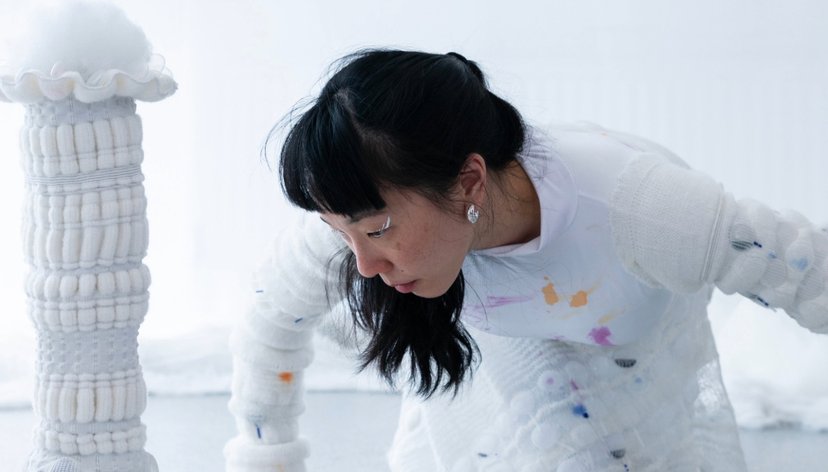
Staff and students from the RCA’s Healthcare & Design MRes programme utilised human-centred design principles to transform the patient environment at the Imperial Breast Unit, creating a more empathetic and supportive space for cancer care.

At a glance:
- A collaboration between the RCA's School of Design and , Imperial College London’s Institute of Global Health Innovation, and the Imperial Breast Unit at Charing Cross Hospital.
- A complete redesign of patient waiting areas and consultation flows, including the installation of ‘Lucie’s Room’ – a holistic space for patients receiving difficult news.
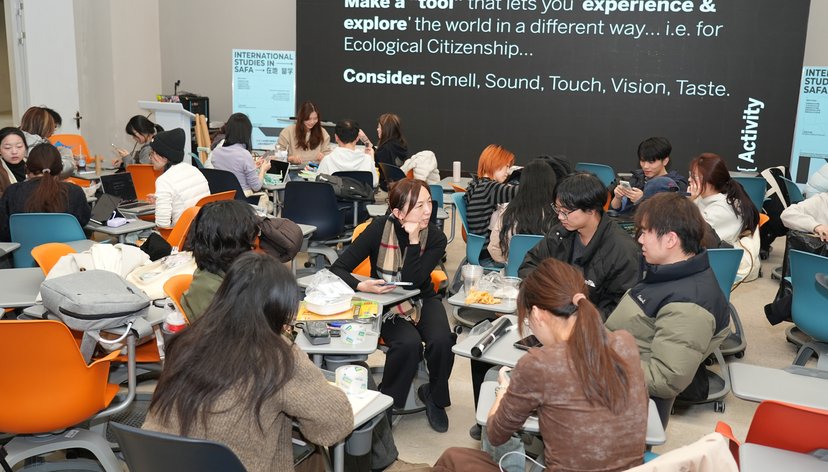
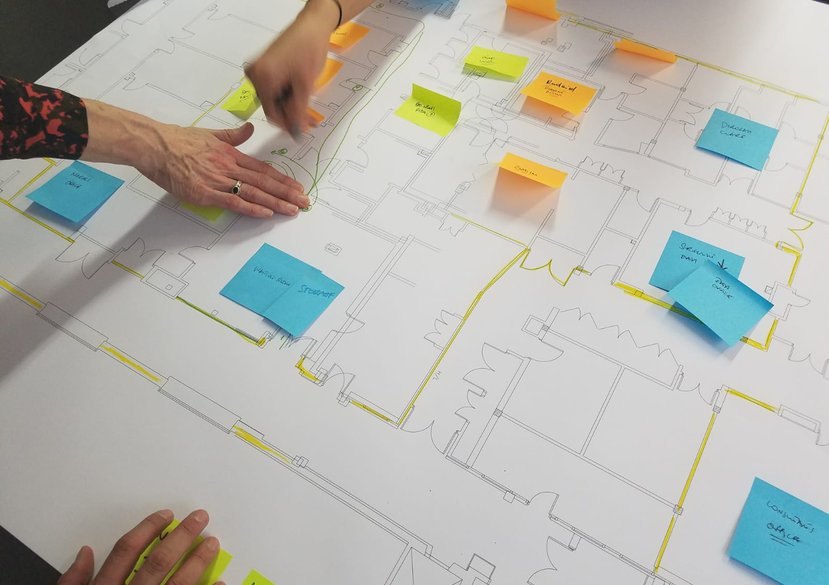
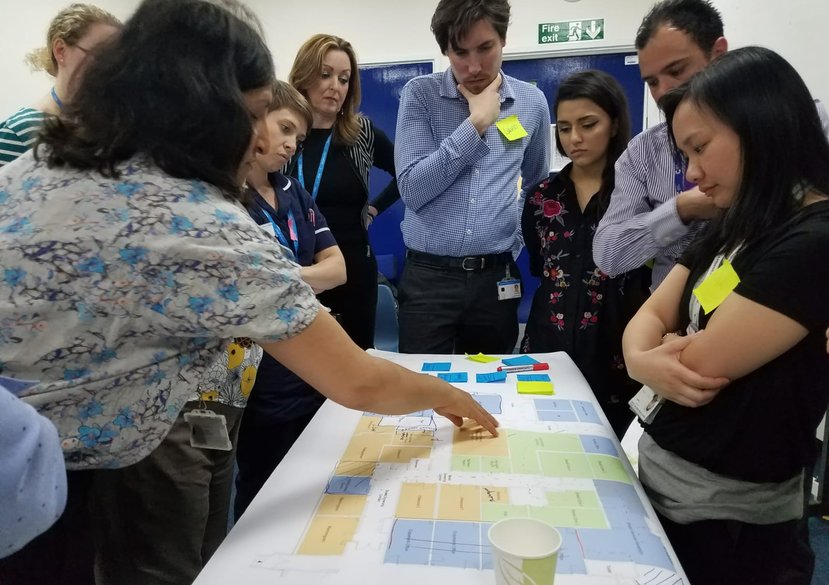
- Through an intensive ‘Design Dash’ module, students embedded themselves in the hospital unit to map emotional journeys, gathering qualitative data to inform empathetic architectural solutions.
Key details
Gallery
More information
The challenge
The Imperial Breast Unit is one of the UK's largest, diagnosing around 400–450 new cases annually. However, research identified that the unit's design failed to support the emotional needs of its patients. The waiting area layout forced anxious patients to face one another with no positive distractions, creating a stressful environment.
Critically, the architectural flow meant that patients who had just received a cancer diagnosis had to exit through the main waiting room, causing distress for both themselves and those waiting. Patients described the consultation rooms as cramped and unwelcoming, with one remarking, "It didn't feel warm at all. You're just there because you have to be." The challenge was to reconfigure this clinical environment to prioritise patient wellbeing and emotional safety.
Our approach
The project began with an eight-week immersive research phase where students and staff worked directly within the unit. Using qualitative methods, they mapped the emotional journeys of patients to identify pain points in the service flow.
The resulting design solution focused on empathy and distraction. The team worked with interior architect Ab Rogers and artist Chris Wood to implement a vision that softened the clinical edge of the hospital. Key interventions included:
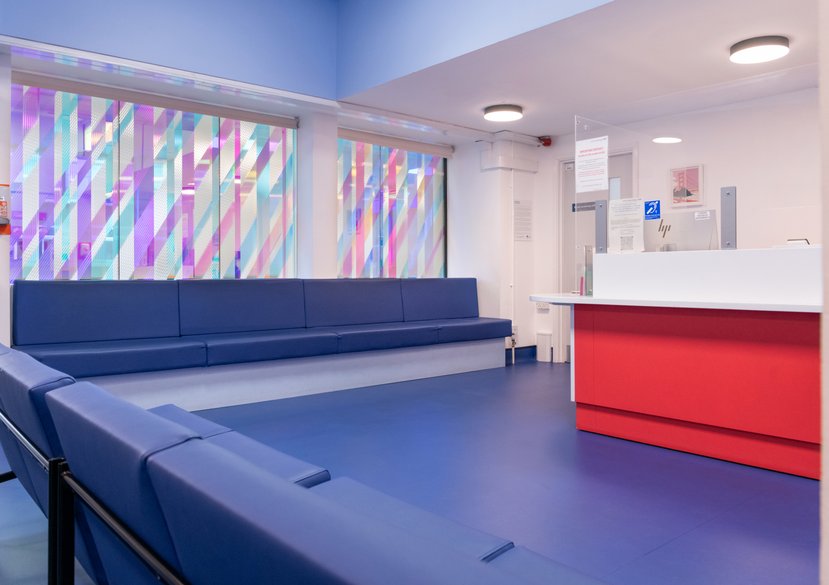
- Reconfigured Layouts: Redesigning the waiting area seating to offer privacy and comfort.
- Lucie’s Room: Creating a dedicated, quiet sanctuary named after a patient co-developer. This space allows patients to process difficult news privately before leaving via a newly created alternative exit route, bypassing the general waiting area.
- Light and Art: Installing a dynamic artwork by Chris Wood that uses glass prisms to cast rainbows across the room, providing a soothing, positive distraction.
Outputs
- Physical Redesign: Complete refurbishment of the Imperial Breast Unit patient waiting areas and consultation exit routes.
- New Facilities: Establishment of ‘Lucie’s Room’, which also serves as a multi-purpose space for staff management meetings, physiotherapy training, and research discussions.
- Artistic Commission: Permanent installation of a light-responsive artwork by Chris Wood.
- Student Research: Detailed qualitative research findings and design prototypes presented to Imperial Charity and unit managers.
Publication
Improving Breast Cancer Patient Experience Through Innovative Design Thinking. European Journal of Surgical Oncology. Volume 45, Issue 5, May 2019, p.918.