Overview
An international leader in the field
Key details
- 180 credits
- 1 year / 45 week programme
- Full-time study
School or Centre
Current location
- Battersea
Next open event
Next application deadline
- Applications closed, please check back soon
Learn to develop innovative curatorial proposals with London-based arts organisations

Join a well-established and influential community of students actively contributing to how curating is understood, practised and thought about globally. We are a highly international programme designed to develop your critical awareness of curating in a global context. We place real importance on working collaboratively to share knowledge and culture, and test ideas.
When you graduate, you will join a network of over 500 CCA alumni from across 47 countries, many still working together, collectively shaping the practice of curating contemporary art and the spaces and places it is encountered.
Explore further and register your interest
Catch the replays from our latest online Open Day.
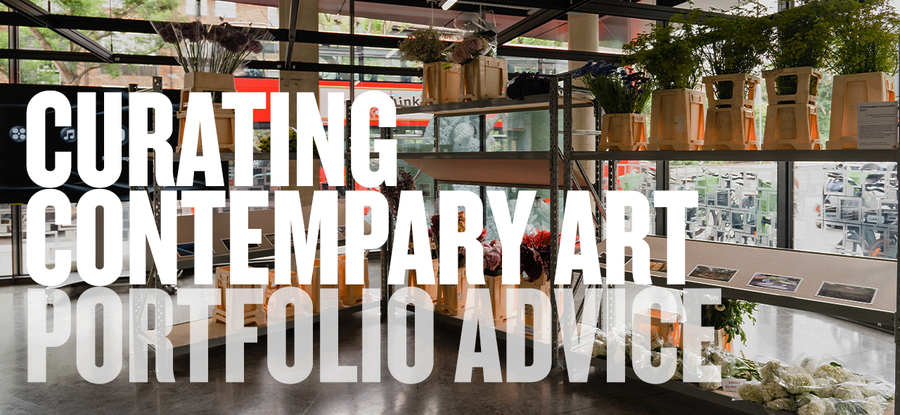
Watch portfolio advice from the programme team.
Applications for the September 2026 intake are now closed. To stay updated on application dates and updates for 2027 entry, please complete the Register your Interest form.
Student and alumni stories

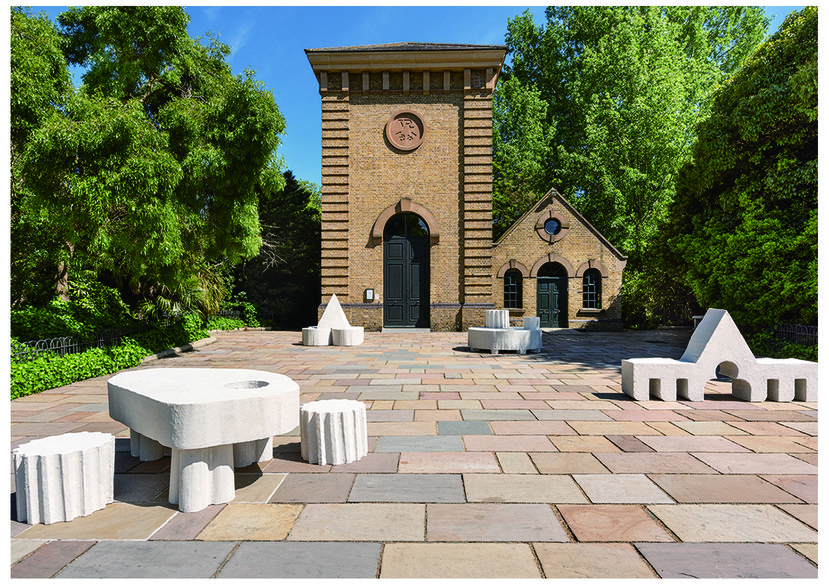
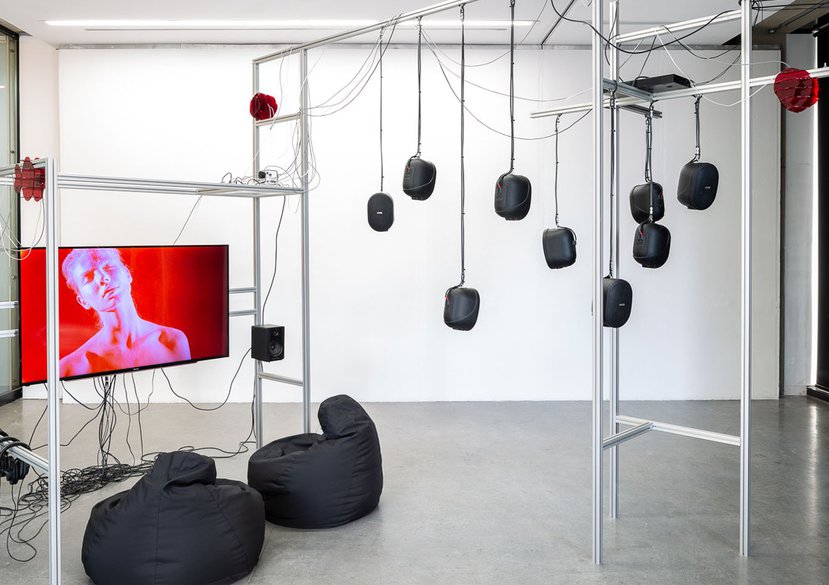
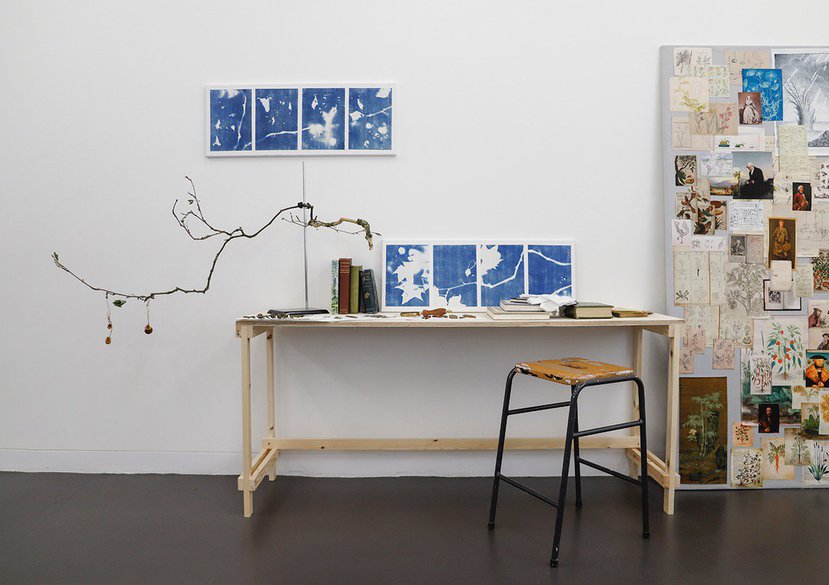
Gallery
Staff




Facilities
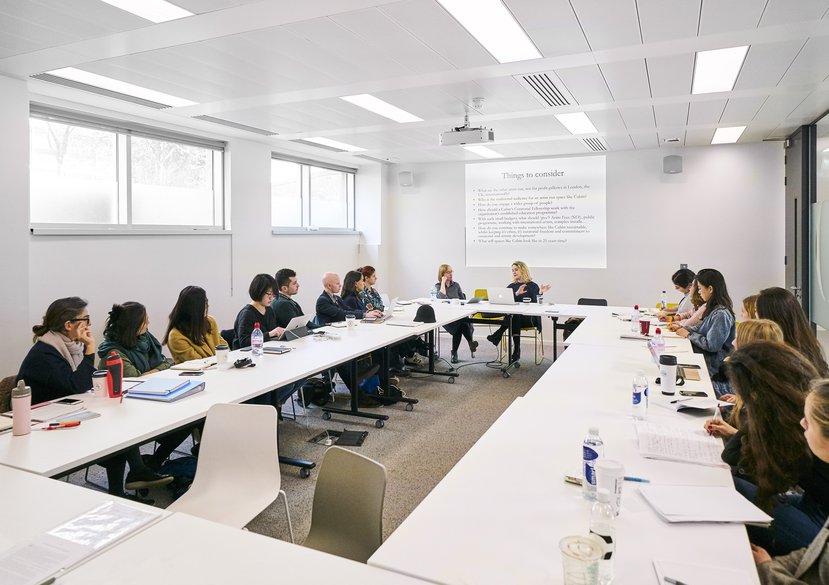
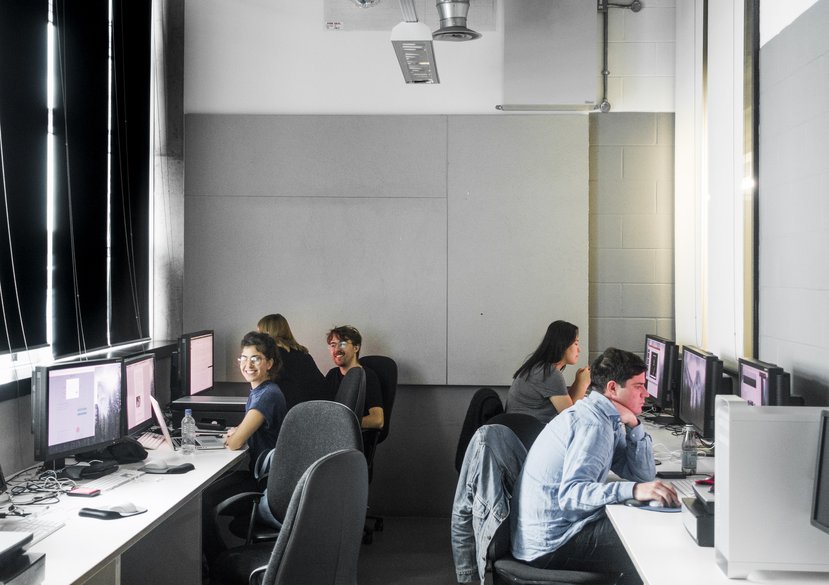
The School of Arts & Humanities is located across our Battersea and Kensington sites.
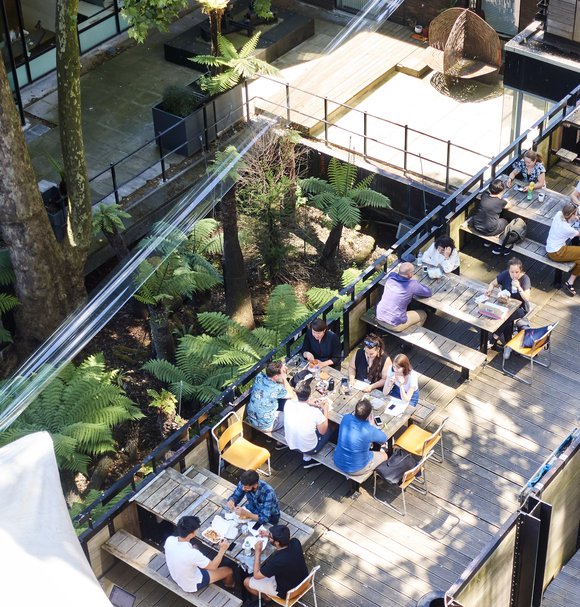
View all facilitiesYou'll benefit from being part of a vibrant art and design school environment. There are a number of bookable seminar and project spaces across the site available to all Arts & Humanities students.
Our alumni
Our alumni form an international network of creative individuals who have shaped and continue to shape the world. Click on each name to find out more.
Where will the RCA take you?- Thomas Cuckle
- Amanda Masha Caminals
- Melanie Pocock
- Morgan Quaintance
- Jane Scarth
- Borbála Soós
- Grace Storey
- Angelica Sule
- Sally Tallant
- Victor Wang
- Tyler Woolcott
More details on what you'll study.
Find out what you'll cover in this programme.
What you'll cover
How will I learn?
The programme explores both the theory and practice of curating and programming. Through talks and lectures by visiting curators, readings, seminars and workshops, you will engage with topics informing contemporary curating, such as globalisation and migration, the digital and networked culture, urbanisation and use of space, and changing understandings of publics. Meanwhile, site visits offer insight into the complex and diverse range of spaces and places, galleries, museums and organisations in which curating and programming occurs.
You will learn to work collaboratively in peer groups on a live project brief set with an external partner. You will build skills in writing curatorial proposals, commission artists, designers and programmers and understand the role and value of project research and planning, presentation, mediation, and advocacy. In the final term, you will work in groups to curate a display of your project proposal and deliver a public-facing event, designed to generate audiences and critical debate.
Programme structure
Term 1
Curatorial Thinking (30 credits)
Curatorial Thinking introduces you to current and dominant positions and histories within curatorial studies, whilst exploring how the curatorial may be understood as a broader cultural phenomenon, as well as an approach to critically engaging with our contemporary moment. The aim of this unit is to develop your critical analytical skills, so you can establish your own understanding of what curating might mean as a practice, approach and way of thinking in and of our time. Taught through lectures, seminar discussion and the close reading of texts, assessed by a comparative textual analysis and thematic essay, the unit aims to develop your confidence in approaching theoretical texts and applying theory to the analysis of practice and vice versa.
Ecologies of Curating (15 credits)
Ecologies of Curating enables you to develop an understanding of the contemporary arts ecology, equipping you in the process with the skills to critically examine the inter-relation between curating, programming and the spaces and places in which contemporary art is generated, displayed, mediated and promoted. Focused on specific typologies of practice, organisations and platforms you will think through in groups how the conditions in which these exist determine and define what is produced and curated, and who for. The unit follows Curatorial Thinking, and is designed to develop your curatorial understanding of the relation between theory and practice through the realisation of a practice-based manifestation of your research generated in the unit and presented in a display of printed matter at the RCA.
You'll also take AcrossRCA (15 credits), which supports you in working across disciplines to use creative and critical thinking and practice and collaborative approaches to respond to urgent contemporary themes.
Term 2
Urgency of the Arts (15 credits)
In term 2, School of Arts & Humanities Master’s students will participate in a School-wide unit The Urgency of the Arts. In this unit we ask how arts and humanities research and practice can engage with our current socio-political climate, and how might it shape, be necessary and essential in contemporary cultural debates.
The unit introduces you to a diverse range of perspectives, approaches and methods relevant to contemporary practice and thought in the arts and humanities. The delivery, predominantly based on workshops and featuring specialist presentations by leading artists, aims to assist you in recognising, questioning, expanding, and reevaluating your own artistic practices and disciplinary assumptions. Through interactions with staff and students from across the School, as well as through a variety of methodological approaches, you will develop an understanding of the contemporary concerns that shape and influence artistic practice. You will be encouraged to reflect on these as a means to articulate the potential of your own work within the context of broad cultural landscapes and urgent cultural debates.
Curating in a Collaborative Context (30 credits)
Curating in a Collaborative Context aims to develop your research-based and practice-orientated curatorial skills of analysis, conceptualisation and communication through collaborative, group project work. Responding to a specific project brief set by an external partner arts organisation, you will work with your peers to develop a curatorial proposal to Shortlist / Feasibility Stage of sector standards for presentation and feedback to your external partner. The unit follows the stages of proposal development from analysis of the project brief, research into context of the brief, identifying curatorial and programming opportunities towards commissioning, context analysis, audience projection, visualisation and documentation, presentation and advocacy.
You'll also take the Core Skills unit (15 credits), which supports you in advancing your academic and professional skills to aid the development of your personal projects at the RCA and beyond in your professional practice and career.
Term 3
Independent Research Project (60 credits)
The final unit provides you with the opportunity to curate a public display of a collaboratively created curatorial proposal and programme a public event that tests the ideas of the proposal. Aiming to extend your understanding of the relationship between critical reflection, practice and research, you will individually explore an element of your proposal through an extended piece of research.
This MA is delivered over 45 weeks.
AcrossRCA and Core Skills
AcrossRCA
We are all working within physical and digital worlds that are undergoing constant change and are defined by shifting complexities and interconnections. The 15-credit AcrossRCA unit supports you in working across disciplines to use creative and critical thinking and practice and collaborative approaches to respond to urgent contemporary themes, issues and questions.
Working in interdisciplinary collaborative groups, you will develop your thinking and reflections on a key issue, question, challenge or tension to produce a self-directed response to this year’s AcrossRCA brief. The focus is on learning through the process of collaboration. Rather than aiming for a completed product, solution or concrete answer, AcrossRCA is about an openness to what is generated through experimentation, dialogue and reflexivity. What happens when we move across disciplinary borders and put the kinds of knowledge, experience and skills we each bring to the RCA into conversation with others?
This provides you with opportunities to:
- share and adapt approaches from your personal practices and/or discipline;
- collaborate with peers outside your programme;
- interrogate collaboration through experimenting with and reflecting on collaborative models and approaches, and thinking about what your practice means in relation to others;
- critically reflect on your responsibilities as a creative practitioner and the role of creative practice in making our understanding and experience of the world;
- position your practice and skills and what you bring to a team and larger context.
This engagement with perspectives and practices from across disciplines and across the College is designed to complement your disciplinary studies, feed back into your individual work, and provide you with a platform to thrive beyond graduation.
Core Skills
The Core Skills unit (15 credits) supports you in advancing your academic and professional skills to aid the development of your personal projects at the RCA and beyond in your professional practice and career. The unit also supports you in moving from Term 1 to the independent work you will undertake in your IRP in Term 3, as an opportunity to more deeply and systematically develop and deploy select core skills related to your practice. The transferable academic and professional skills covered in this unit reflect those required of a postgraduate student, and are adapted by Schools and programmes according to specific disciplinary perspectives and requirements. The Core Skills complement the work you are undertaking in your programme units and underpins and elevates the development of your future direction. The Core Skills will focus on specific skills most relevant to your expanded discipline, which may come under areas including inclusive, critical, sustainable and ethical approaches, the networks of knowledge, practice and communication within which your work sits, and the positioning of your practice. Throughout, the unit emphasises how these skills are situated not only disciplinarily within art, design, architecture, communication and humanities practices, but also within larger contexts, inside and in the world beyond.
The unit is informed by the following three themes:
- Making Meaning: How does questioning and contextualising inform the development of your practice? This theme builds on skills in critical and creative thinking, reflective practice, navigating complexity and research.
- Making Together: How do we think and make in dialogue and collaboration with others? This theme encompasses skills such as inclusive, ethical and sustainable practice, and peer learning and building networks.
- Making Public: How is your work and practice positioned within larger ecologies? Exploration of this theme may include developing skills in engagement, communication, entrepreneurship and leadership.
Previous CCA exhibitions
2021 Graduate Projects
Visit the CCA Graduate Projects 2021 portal.
Furtherfield, We are just animals, humans, and machines getting on together in specific lifeworlds
Gasworks, Fulfilment Services Ltd.
Camden Art Centre, In the meantime…
British Library, Notes on Play
Gasworks, Hear the Light
2020 Graduate Projects
Visit the CCA Graduate Projects 2020 portal.
Sets and Scenarios
2019 Graduate Projects
Gasworks
Nottingham Contemporary
Photographers’ Gallery
Pump House Gallery
Fragmented Folies
For the time being
Unexpected beautiful phrase
Re over everything which exists under sky
2018 Graduate Projects
LUX Partnership, 4717
Gasworks Partnership, Who cares? A radio tale
Stanhope Partnership, Every Second In Between
The Design Museum partnership, Alt-Age: Designing Belief
2017 Graduate Projects
Doing It In Public
Itinerant Assembly
Open House
Turn The Tide
Read the CCA Graduate Projects 2017 press release.
Requirements
What you need to know before you apply
Candidates are selected entirely on merit and applications are welcomed from all over the world. The selection process will consider creativity, imagination and innovation as demonstrated in your portfolio, as well as your potential to benefit from the programme and to achieve high MA standards overall.
You are generally expected to have a good undergraduate degree from an arts or humanities background.If your undergraduate degree is not arts or humanities-based you should be able to articulate its relevance, or how it informs your aim to study Curating Contemporary Art. You also need to be able to demonstrate an active interest in contemporary art and its presentation and mediation, and have some practical experience of working within the visual arts or cultural sector that is relevant to the field of curatorial practice.
As a student on this programme you will help to develop the multi-, interdisciplinary and exploratory nature of contemporary curatorial practice and the future of curating. One of the primary aims of this programme is that you develop the skills and confidence to work effectively within this field, to act as an innovative and responsible practitioner, and that you contribute to the valuing of art and culture in your future work.
What's needed from you
Portfolio requirements
As part of your application, we want to learn what kinds of curatorial practice and contemporary art interest you. To do this, we ask you to upload two separate submissions:
- Critical Review (500 words maximum)
This text should offer a critical reflection and assessment of a contemporary art exhibition or project that you have recently visited. Tell us why you think it is successful or not in relation to its curatorial approach. - Curatorial Proposal
You should upload a proposal for a contemporary art exhibition or project that you would like to curate. Tell us what the rationale behind your proposal is, what your curatorial approach would be (how will you curate), what artists/works/content would it include and where would you like it to take place.
You may wish to think about what audiences the project is for and if you will put together a public programme. The submission should be no more than four sides of A4 and include images as appropriate.
Personal statement
Please provide a 300-word written personal statement that addresses the following points:
- Introduce yourself, your interests and your motivations for applying to the Royal College of Art, and to this programme in particular.
- Briefly summarise any educational background and professional experience to date that will support your application.
- Tell us what you want to do in the future.
Video requirements
You must submit a video of no more than two minutes as part of the application process.
This should include:
- What kinds of questions, issues and experiences motivate your interests?
- What role and value do you think curating brings to contemporary art?
- Why do you want to join this particular programme?
At the core of the CCA programme is learning how to think, work and curate collaboratively so tell us why working collaboratively appeals to you rather than studying independently.
What experience do you have of team-working? This could be either in your academic experience, but it may also be in jobs you have had or voluntary work. Throughout your application, we’re interested in learning from you what motivates you and how you are building your knowledge and finally, what role and value this Master's represents for your future career.
English-language requirements
If you are not a national of a majority English-speaking country you will need the equivalent of an IELTS Academic or UKVI score of 6.5 overall (with a minimum of 5.5 in every component). Students achieving a grade of at least 6.0, with a grade of 5.5 in the Test of Written English, may be eligible to take the College’s English for Academic Purposes course to enable them to reach the required standard.
You are exempt from this requirement if you have received a 2.1 degree or above from a university in a majority English-speaking nation within the last five years.
If you need a Student Visa to study at the RCA, you will also need to meet the Home Office’s minimum requirements for entry clearance.
Fees & funding
For this programme
Fees for new students
Fees for September 2026 entry on this programme are outlined below. From 2021 onward, EU students are classified as Overseas for tuition fee purposes.
Home
Overseas and EU
Deposit
New entrants to the College will be required to pay a non-refundable deposit in order to secure their place. This will be offset against the tuition fees. Deposits for 2026 entry will be confirmed in September 2025; 2025 deposit rates below for reference.
Home
Overseas and EU
Progression discount
For alumni who have completed an RCA Graduate Diploma and progress onto an RCA MA programme, a progression discount of £1,000 is available. For alumni progressing from an RCA Master's to another RCA Master's, a progression discount of £2,000 is available (£1,000 per year for part-time programmes).
* Total cost is based on the assumption that the programme is completed in the timeframe stated in the programme details. Additional study time may incur additional charges.
Scholarships
Scholarships
Each year, the RCA scholarship programme supports hundreds of students. The following scholarships are confirmed for this programme, with additional awards added throughout the year.
GREAT Scholarship
In partnership with the British Council and the GREAT Britain Campaign, the RCA has announced the third year of GREAT Scholarships. For 2026/27 we are offering two scholarships to students from India and Turkey.
Eligible programmes: Interior Design MA, City Design MA, Environmental Architecture MA, Ceramics & Glass MA, Contemporary Art Practice MA, Curating Contemporary Art MA, V&A/RCA History of Design MA, Jewellery & Metal MA, Painting MA, Photography MA, Print MA, Sculpture MA, Writing MA, Animation MA, Digital Direction MA, Information Experience Design MA, Visual Communication MA, Design Products MA, Fashion MA, Intelligent Mobility MA, Service Design MA, Textiles MA, Creative Education MEd, Communication MFA, Master of Research RCA MRes, Design Futures MDes, Arts & Humanities MFA, Design Practice MArch
Other criteria: None
Eligible fee status: Overseas fee status
Value: £10,000 toward fees
House of Fraser Bursary
Eligible programmes: Architecture MArch Architecture (ARB/RIBA Part 2), Interior Design MA, City Design MA, Environmental Architecture MA, Ceramics & Glass MA, Contemporary Art Practice MA, Curating Contemporary Art MA, V&A/RCA History of Design MA, Jewellery & Metal MA, Painting MA, Photography MA, Print MA, Sculpture MA, Writing MA, Animation MA, Digital Direction MA, Information Experience Design MA, Visual Communication MA, Design Products MA, Fashion MA, Innovation Design Engineering MA/MSc, Intelligent Mobility MA, Service Design MA, Textiles MA
Other criteria: None
Eligible fee status: Home fee status
Value: £10,000 toward fees
Leathersellers' Bursary
For students using leather in their practice
Eligible programmes: Architecture MArch Architecture (ARB/RIBA Part 2), Interior Design MA, City Design MA, Environmental Architecture MA, Ceramics & Glass MA, Contemporary Art Practice MA, Curating Contemporary Art MA, V&A/RCA History of Design MA, Jewellery & Metal MA, Painting MA, Photography MA, Print MA, Sculpture MA, Writing MA, Animation MA, Digital Direction MA, Information Experience Design MA, Visual Communication MA, Design Products MA, Fashion MA, Innovation Design Engineering MA/MSc, Intelligent Mobility MA, Service Design MA, Textiles MA
Other criteria: None
Eligible fee status: Home or overseas status
Value: £6,000 towards living costs
Liu Shiming Art Foundation Bursary
Eligible programmes: Curating Contemporary Art MA, Sculpture MA
Other criteria: None
Eligible fee status: Home fee status
Value: $3,000 for living costs
RCA President & Vice-Chancellor’s International
Round 1 and 2 programme applications will be automatically assessed for one of these scholarships. If you are successful, you will be told about this at the same time as receiving your RCA programme offer.
Eligible programmes: Architecture MArch Architecture (ARB/RIBA Part 2), Interior Design MA, City Design MA, Environmental Architecture MA, Ceramics & Glass MA, Contemporary Art Practice MA, Curating Contemporary Art MA, V&A/RCA History of Design MA, Jewellery & Metal MA, Painting MA, Photography MA, Print MA, Sculpture MA, Writing MA, Animation MA, Digital Direction MA, Information Experience Design MA, Visual Communication MA, Design Products MA, Fashion MA, Innovation Design Engineering MA/MSc, Intelligent Mobility MA, Service Design MA, Textiles MA, Creative Education MEd, Communication MFA, Master of Research RCA MRes, Design Futures MDes, Arts & Humanities MFA, Design Practice MArch
Other criteria: Applicants from Australia, Brazil, Canada, Chile, Colombia, Denmark, Egypt, France, Germany, Greece, Hong Kong, India, Indonesia, Israel, Italy, Japan, Malaysia, Mexico, Netherlands, Nigeria, Pakistan, Palestine, Poland, Portugal, Saudi Arabia, Singapore, South Korea, Spain, Switzerland, Taiwan, Thailand, Turkey, UAE, USA
Eligible fee status: Overseas fee status
Value: £9,000 toward fees
RCA President & Vice-Chancellor’s UK Scholarship
Round 1 and 2 programme applications will be automatically assessed for one of these scholarships. If you are successful, you will be told about this at the same time as receiving your RCA programme offer.
Eligible programmes: Architecture MArch Architecture (ARB/RIBA Part 2), Interior Design MA, City Design MA, Environmental Architecture MA, Ceramics & Glass MA, Contemporary Art Practice MA, Curating Contemporary Art MA, V&A/RCA History of Design MA, Jewellery & Metal MA, Painting MA, Photography MA, Print MA, Sculpture MA, Writing MA, Animation MA, Digital Direction MA, Information Experience Design MA, Visual Communication MA, Design Products MA, Fashion MA, Innovation Design Engineering MA/MSc, Intelligent Mobility MA, Service Design MA, Textiles MA, Creative Education MEd, Communication MFA, Master of Research RCA MRes, Design Futures MDes, Arts & Humanities MFA, Design Practice MArch
Other criteria: None
Eligible fee status: Home fee status
Value: £5,000 toward fees
The RCA Sanctuary Scholarship
For full details please see here: www.rca.ac.uk/study/apply-to-study/funding-your-studies/rca-scholarships-and-awards/the-rca-sanctuary-scholarship/
Eligible programmes: Interior Design MA, City Design MA, Environmental Architecture MA, Ceramics & Glass MA, Contemporary Art Practice MA, Curating Contemporary Art MA, V&A/RCA History of Design MA, Jewellery & Metal MA, Painting MA, Photography MA, Print MA, Sculpture MA, Writing MA, Animation MA, Digital Direction MA, Information Experience Design MA, Visual Communication MA, Design Products MA, Fashion MA, Intelligent Mobility MA, Service Design MA, Textiles MA, Creative Education MEd, Communication MFA, Master of Research RCA MRes, Design Futures MDes, Arts & Humanities MFA, Design Practice MArch
Other criteria: None
Eligible fee status: Home or overseas status
Value: Full fees & support package up to the value of £20,000 pa (depending on the awardee’s circumstances)
The RCA UK Cost of Living Scholarship
Eligible programmes: Architecture MArch Architecture (ARB/RIBA Part 2), Interior Design MA, City Design MA, Environmental Architecture MA, Ceramics & Glass MA, Contemporary Art Practice MA, Curating Contemporary Art MA, V&A/RCA History of Design MA, Jewellery & Metal MA, Painting MA, Photography MA, Print MA, Sculpture MA, Writing MA, Animation MA, Digital Direction MA, Information Experience Design MA, Visual Communication MA, Design Products MA, Fashion MA, Innovation Design Engineering MA/MSc, Intelligent Mobility MA, Service Design MA, Textiles MA, Creative Education MEd, Communication MFA, Master of Research RCA MRes, Design Futures MDes, Arts & Humanities MFA, Design Practice MArch
Other criteria: None
Eligible fee status: Home fee status
Value: £5,000 towards living costs
The RCA UK Disabled Students’ Scholarship
For students who identify as D/deaf or disabled
Eligible programmes: Architecture MArch Architecture (ARB/RIBA Part 2), Interior Design MA, City Design MA, Environmental Architecture MA, Ceramics & Glass MA, Contemporary Art Practice MA, Curating Contemporary Art MA, V&A/RCA History of Design MA, Jewellery & Metal MA, Painting MA, Photography MA, Print MA, Sculpture MA, Writing MA, Animation MA, Digital Direction MA, Information Experience Design MA, Visual Communication MA, Design Products MA, Fashion MA, Innovation Design Engineering MA/MSc, Intelligent Mobility MA, Service Design MA, Textiles MA, Creative Education MEd, Communication MFA, Master of Research RCA MRes, Design Futures MDes, Arts & Humanities MFA, Design Practice MArch
Other criteria: None
Eligible fee status: Home fee status
Value: £6,000 towards living costs
The Sir Frank Bowling Scholarship
For students identifying as Black or Black British - Caribbean, Black or Black British - African, Other Black background, Mixed - White and Black Caribbean, Mixed - White and Black African
Eligible programmes: Architecture MArch Architecture (ARB/RIBA Part 2), Interior Design MA, City Design MA, Environmental Architecture MA, Ceramics & Glass MA, Contemporary Art Practice MA, Curating Contemporary Art MA, V&A/RCA History of Design MA, Jewellery & Metal MA, Painting MA, Photography MA, Print MA, Sculpture MA, Writing MA, Animation MA, Digital Direction MA, Information Experience Design MA, Visual Communication MA, Design Products MA, Fashion MA, Innovation Design Engineering MA/MSc, Intelligent Mobility MA, Service Design MA, Textiles MA, Creative Education MEd, Communication MFA, Master of Research RCA MRes, Design Futures MDes, Arts & Humanities MFA, Design Practice MArch
Other criteria: None
Eligible fee status: Home fee status
Value: Full fees and maintenance
The Virgil Abloh Award
Eligible programmes: Ceramics & Glass MA, Contemporary Art Practice MA, Curating Contemporary Art MA, Jewellery & Metal MA, Painting MA, Photography MA, Print MA, Sculpture MA, Writing MA, Design Products MA, Fashion MA, Service Design MA, Textiles MA
Other criteria: Students with Black African or Caribbean diaspora heritage, or mixed Black African or Caribbean diaspora heritage
Eligible fee status: Home fee status
Value: £5,000 for living costs
The Virgil Abloh Scholarship
Eligible programmes: Ceramics & Glass MA, Contemporary Art Practice MA, Curating Contemporary Art MA, Jewellery & Metal MA, Painting MA, Photography MA, Print MA, Sculpture MA, Writing MA, Design Products MA, Fashion MA, Service Design MA, Textiles MA
Other criteria: Students with Black African or Caribbean diaspora heritage, or mixed Black African or Caribbean diaspora heritage
Eligible fee status: Home fee status
Value: Full fees and maintenance
Even if you do not currently see a scholarship for which you meet the eligibility criteria, we encourage you to apply to be considered for financial support.
Unless otherwise stated, you must apply in either round 1 or 2, and have received an offer of study on an RCA programme to be invited to make a scholarship application. Therefore, we strongly recommend you apply for your programme as early as possible but no later than the round 2 deadline.
More information
Additional fees
In addition to your programme fees, please be aware that you may incur other additional costs associated with your study during your time at RCA. Additional costs can include purchases and services (without limitation): costs related to the purchase of books, paints, textiles, wood, metal, plastics and/or other materials in connection with your programme, services related to the use of printing and photocopying, lasercutting, 3D printing and CNC. Costs related to attending compulsory field trips, joining student and sport societies, and your Convocation (graduation) ceremony.
If you wish to find out more about what type of additional costs you may incur while studying on your programme, please contact the Head of your Programme to discuss or ask at an online or in person Open Day.
We provide the RCASHOP online, and at our Kensington and Battersea Campuses – this is open to students and staff of the Royal College of Art only to provide paid for materials to support your studies.
We also provide support to our students who require financial assistance whilst studying, including a dedicated Materials Fund.
External funding
There are many funding sources, with some students securing scholarships and others saving money from working. It is impossible to list all the potential funding sources; however, the following information could be useful.
Payments
Tuition fees are due on the first day of the academic year and students are sent an invoice prior to beginning their studies. Payments can be made in advance, on registration or in two instalments.
Experience
The social media content shown here reflects past and current student activity and is provided for illustrative purposes only. Experiences on the programme may vary and are subject to change for future students.
Ask a question
Get in touch if you’d like to find out more or have any questions.
More opportunities to study at the RCA
Related programmes