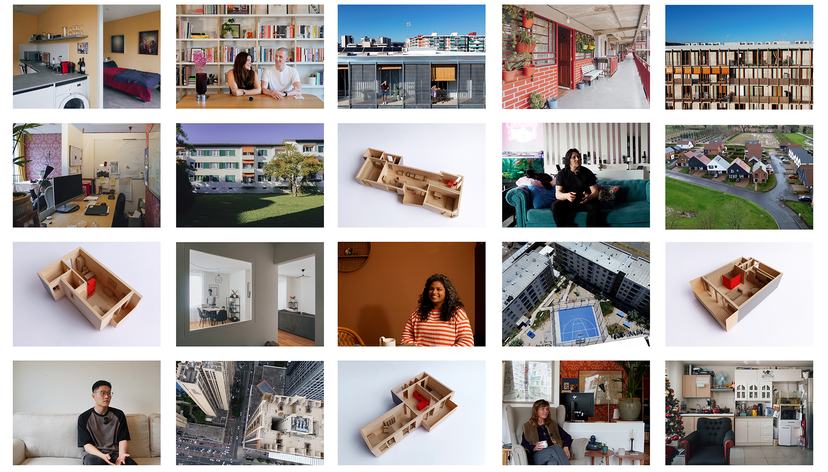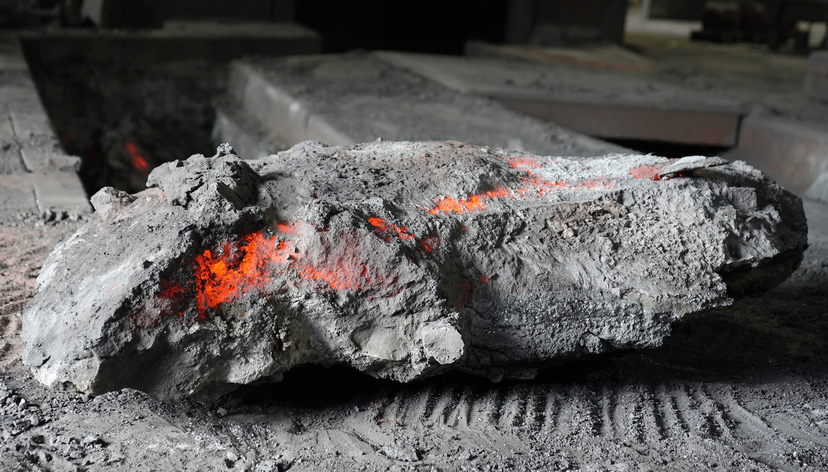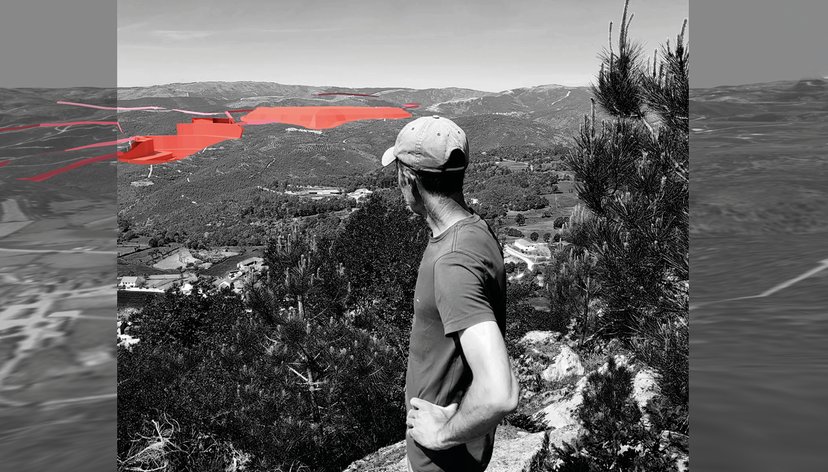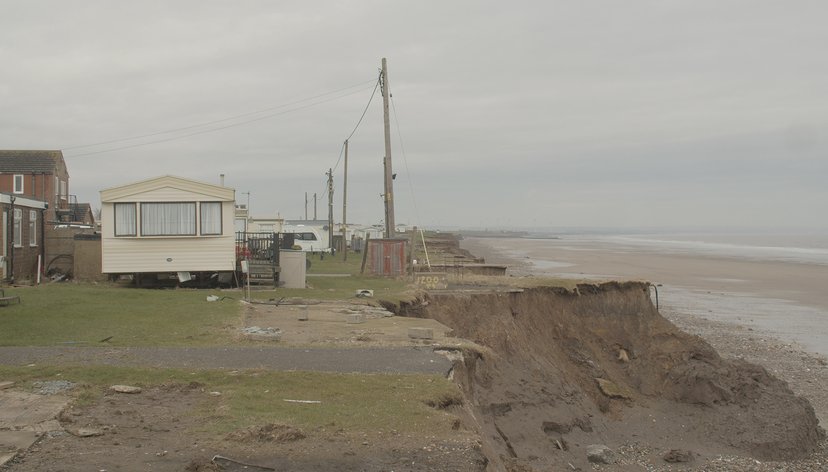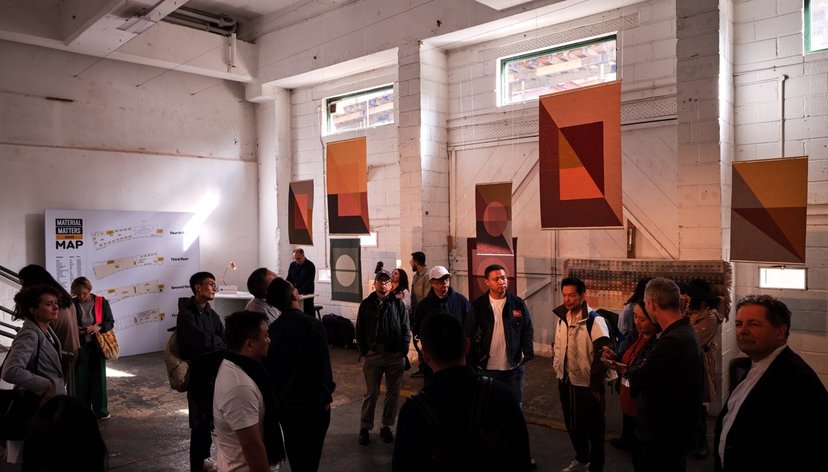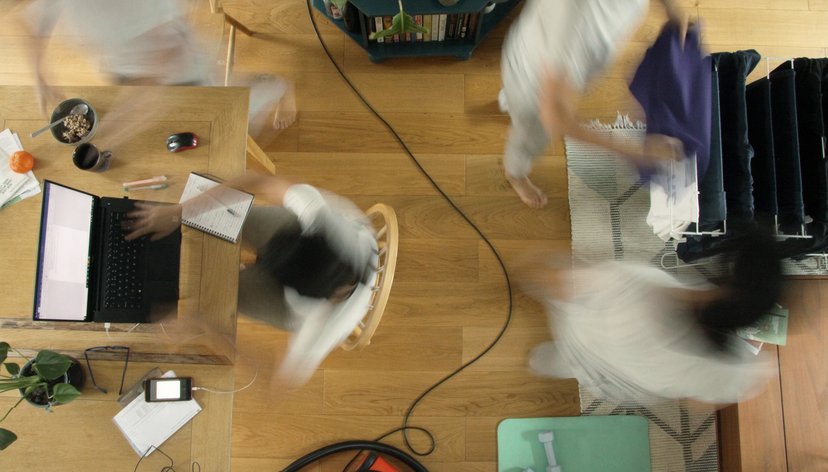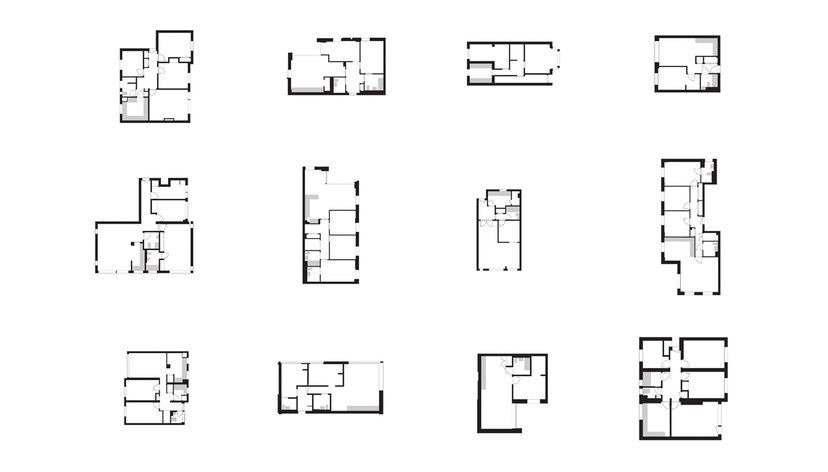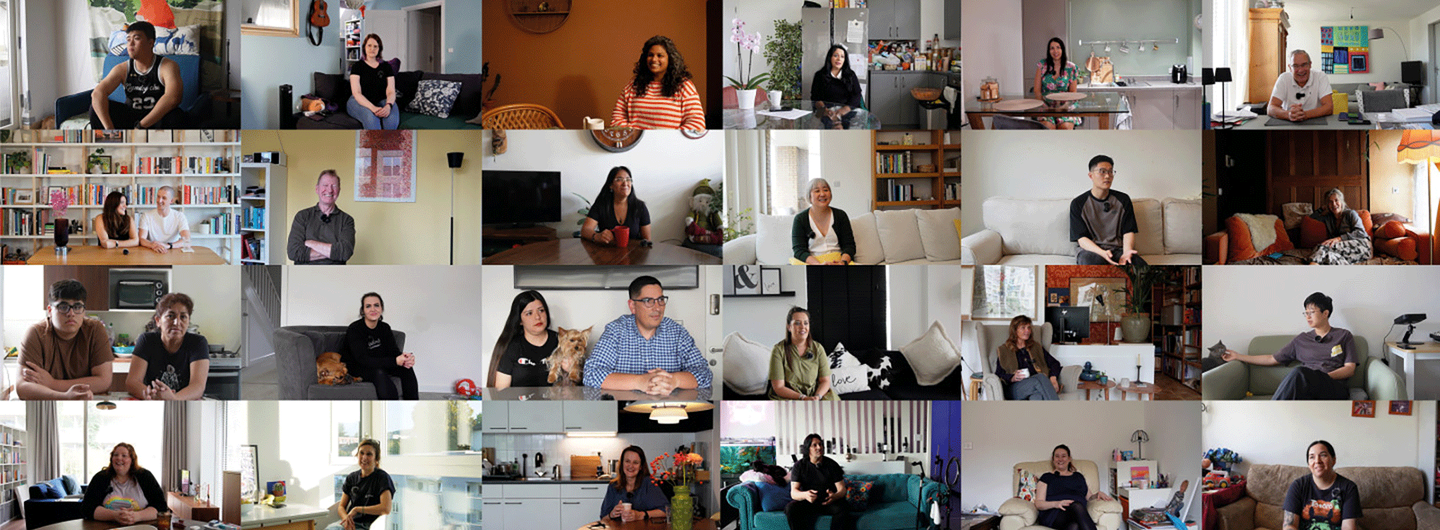
The Intergenerational Design Lab researches design practices, processes, and reasoning through intergenerational perspectives on time, generational continuity, and generational change.
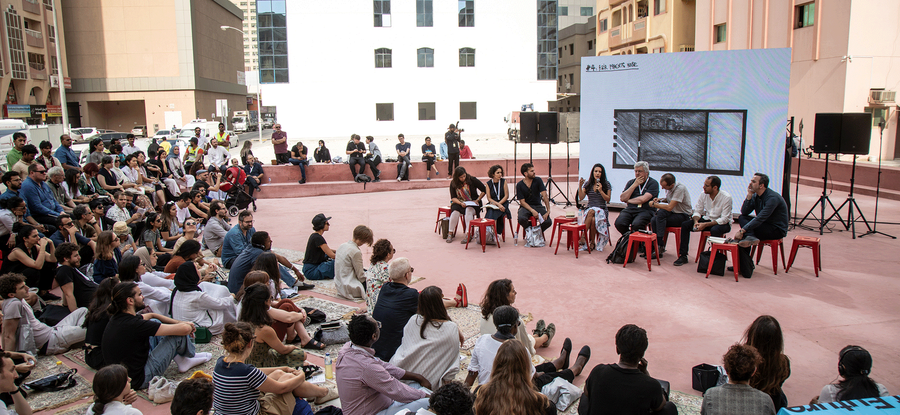
The Intergenerational Design Lab:
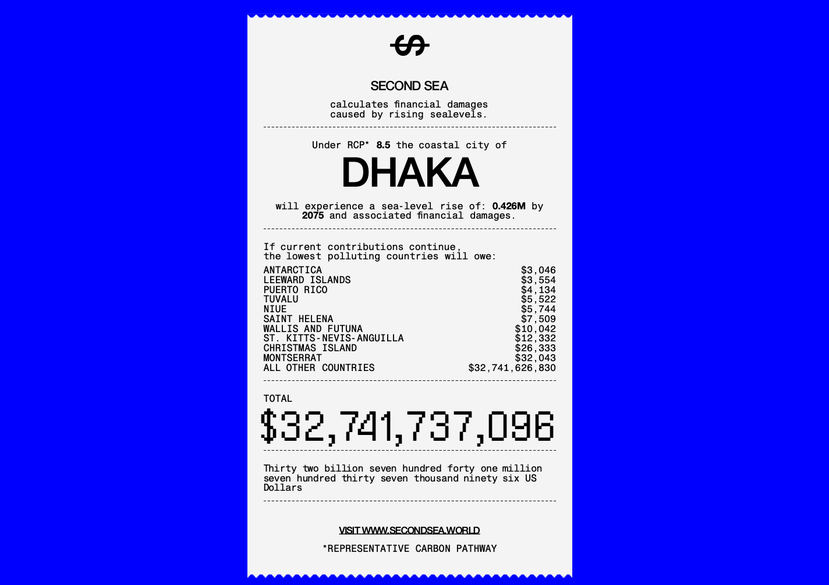
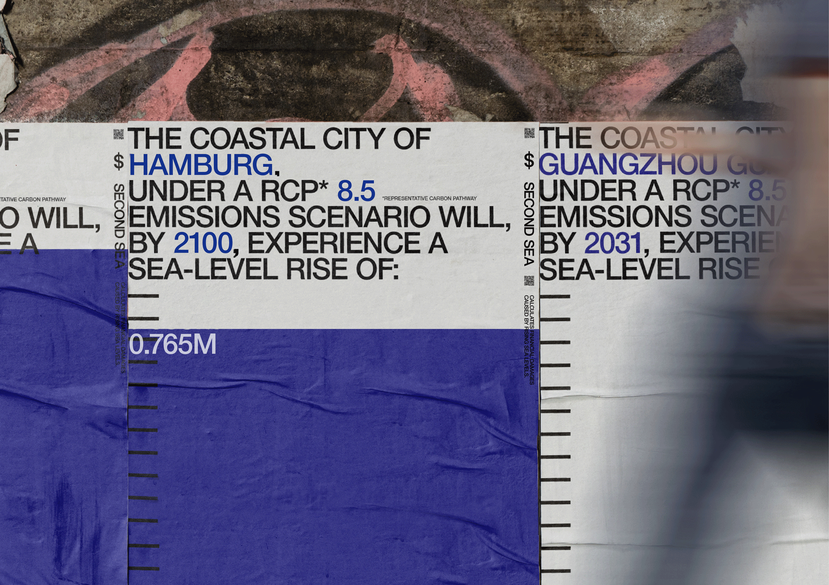
- Investigates intergenerational fairness in spatial and environmental design through the themes of heat, water, home, and food, addressing challenges in climate change, housing quality, resource scarcity, and changing food ecologies.
- Develops practice-led and practice-based research that rethinks design through questions of time, responsibility, material lifespans, knowledge transfer, and intergenerational change.
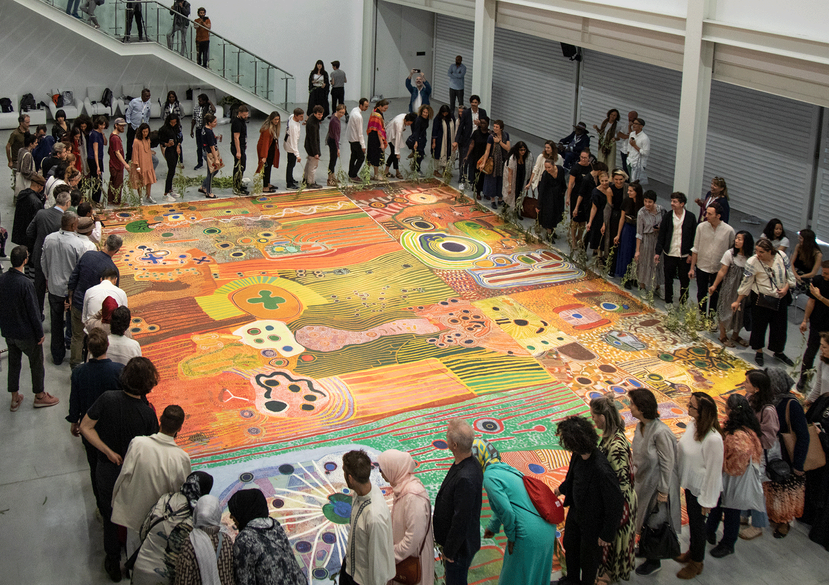
- Connects design research with policy, public engagement, community knowledge, and industry partnerships to shape spatial, social, and environmental change.
Key details
Gallery
More information
The challenge
Many current crises – from housing, nutrition, and heat stress to water scarcity – are intergenerational in nature. Yet demands for intergenerational rights, justice, and equality have had limited impact on design and the spatial disciplines.
Past, present, and future are understood differently across social and cultural contexts. Recognising these differences is central to the political and ethical work of intergenerational design. Issues such as climate policy, housing, food environments, heat adaptation, water management, and sustainable building need to be understood at an intergenerational scale. Within spatial practice, this means reformulating ideas of lifespan, repair, disassembly, circularity, social value, and knowledge transfer through an intergenerational lens.
Our approach
The Lab combines practice-led and practice-based design research with historical, theoretical, and applied enquiry. Working with communities, policymakers, industry partners, and research institutions, it aims to inform design practice, policy, and public debate. Through the themes of heat, water, home, and food, it examines how spatial design affects past, present, and future generations.
Methodologically, the Lab examines how intergenerational design is defined by shifts in perspective, duration, and transmission:
- Perspective refers to the intergenerational viewpoints that shape culturally specific understandings of time, continuity, and change.
- Duration concerns the lifespans and lifecycles of materials, values, and practices.
- Transmission describes how cultural, physical, and social resources are passed between generations through knowledge transfer, inheritance, turn-taking, or being held in reserve.