Key details
Date
- 28 July 2026
Read time
- 2 minutes
Information Experience Design MA student Luyi Bi looks back at an intensive year spent thinking, experimenting and creating. She shares how the RCA enabled her to raise questions through design and helped expand the boundaries of her practice into research-led, speculative work.
Key details
Date
- 28 July 2026
Read time
- 2 minutes
One of the main reasons I chose the RCA was its programme structure. Compared with a two or three year course, I was attracted to the intensity of completing a highly focused programme within one year. Although this means that both the financial and time investment are concentrated, it is a more efficient form of learning. It pushed me to keep thinking, experimenting and creating within a limited period of time, while maintaining a strong sense of motivation as a creative practitioner.
In terms of my long-term goals, I don’t want to be a designer who only produces visual outcomes. I hope to become a creative practitioner with critical thinking and a strong awareness of social and cultural issues. Before joining the RCA, I already had a foundation in graphic design, but through the Information Experience Design (IED) MA programme, I wanted to expand the boundaries of my practice and develop works that are speculative, research-led and responsive to real-world issues.
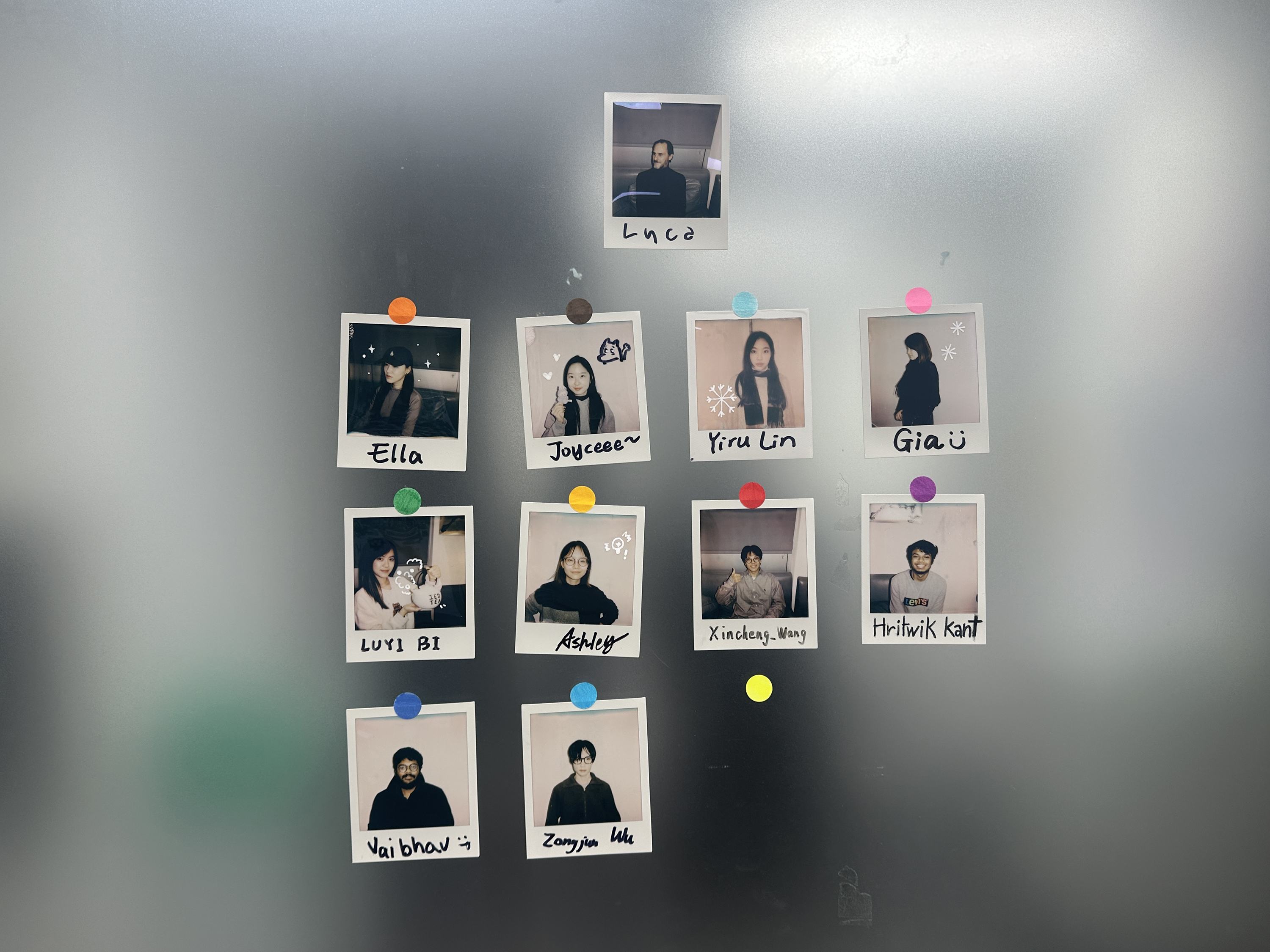
For me, the value of education is not limited to technical skills. The reputation of the RCA was certainly one of the reasons I chose it, but after joining IED, I came to understand the value of its creative environment more deeply. The works made here are not only diverse in form; more importantly, each student brings a distinct personal position, narrative approach and research pathway. This has helped me realise that good design does not only solve problems, it can also raise questions and create new ways of seeing.
In my personal projects, I began to actively explore environmental and social issues that I hadn’t previously engaged with, such as carbon-sink afforestation, greenwashing and local livelihoods. Through literature reviews, case studies, field observation and interviews, I learned how to enter an unfamiliar field, build a research framework, and translate complex issues into visual or spatial experiences that audiences can understand and feel. This process has given me more confidence to collaborate with people from different professional backgrounds in the future.
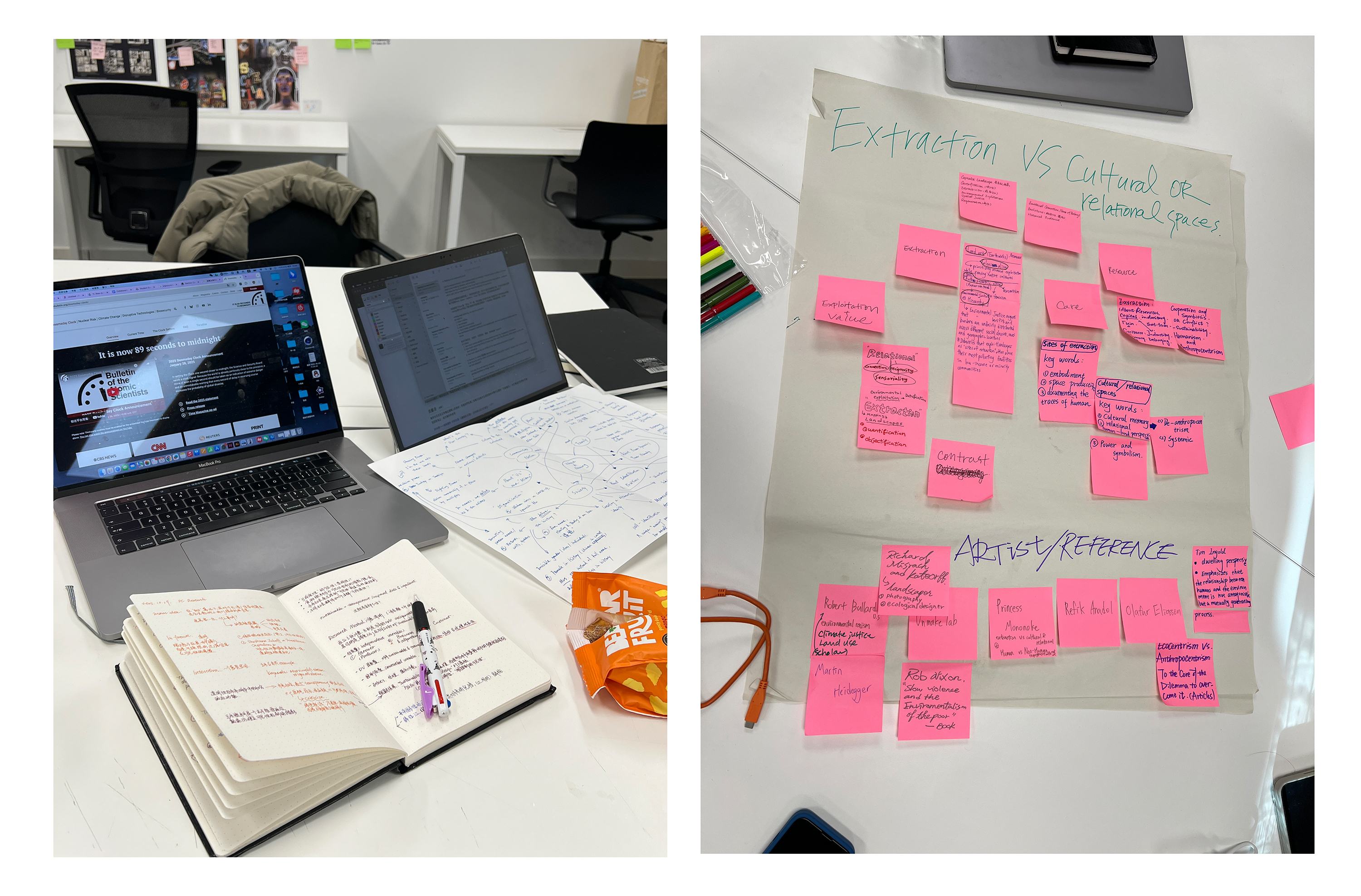
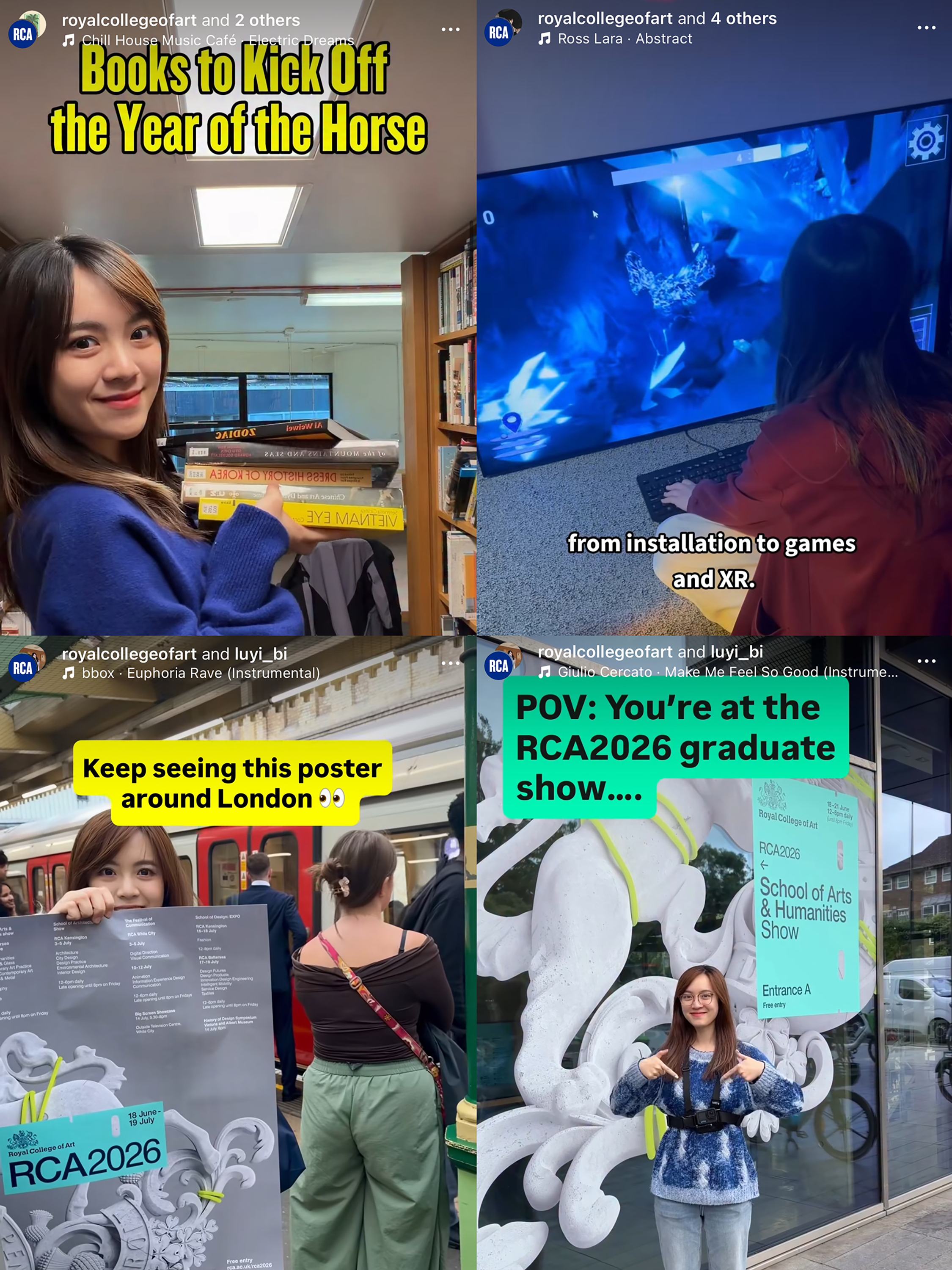
The RCA also provided opportunities to connect my studies with real-world practice, such as the Snap Spectacles AR project, the Making with Others community group project, and creating videos for the College as a content creator. These experiences made me realise that the RCA is not only a place for developing personal projects, but also a platform that connects design industries and community-based practices.
Before studying at the RCA, my design thinking was more focused on serving specific projects or commercial needs. Now, I increasingly see myself as a narrator, researcher and even a promoter of critical issues. I have started to think about how design can reveal problems that are hidden, ignored or beautified, and how creative work can influence public understanding of the present and the future.
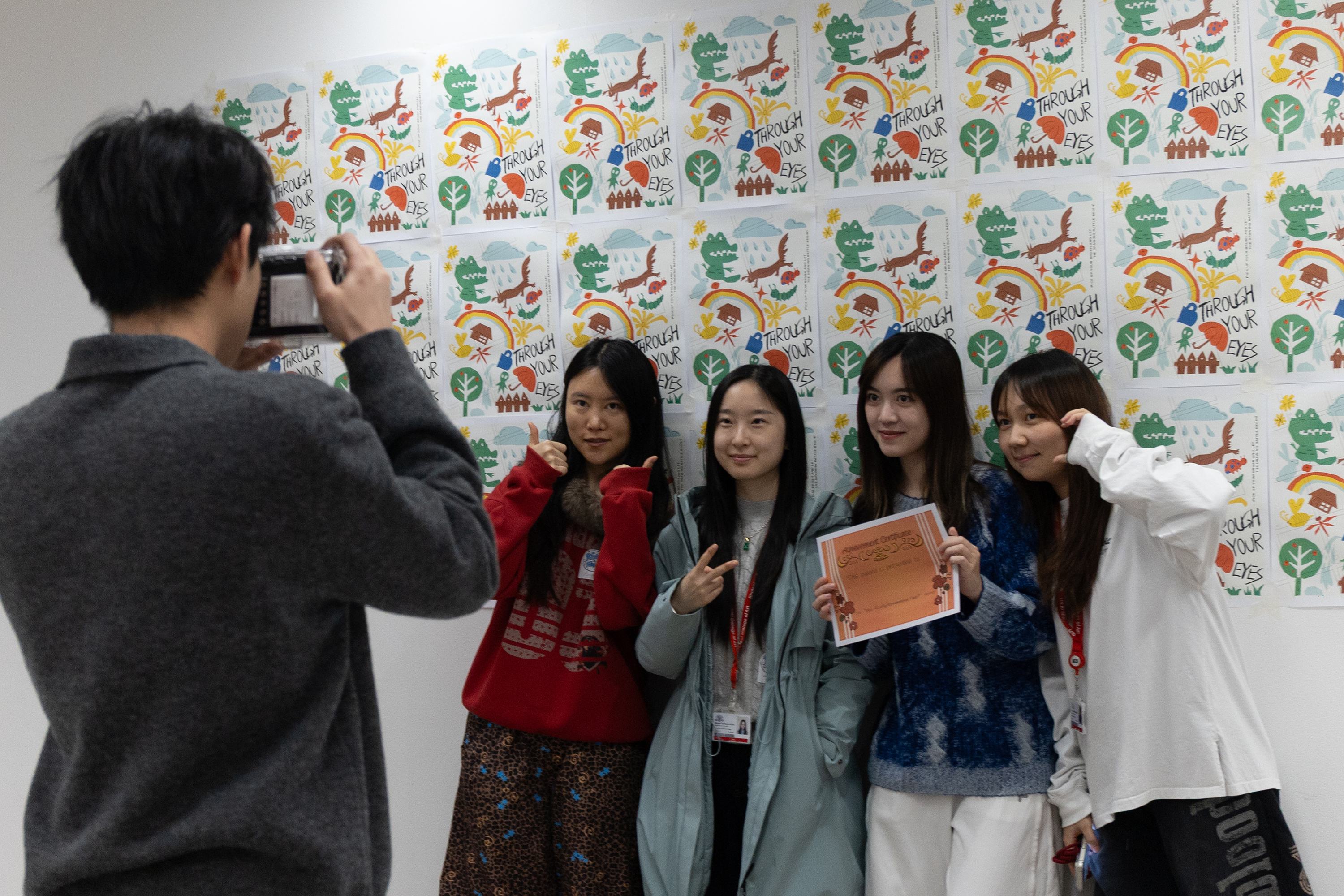
For Chinese students who are considering applying to the RCA, I would say that the RCA is a very free environment, but this freedom also means that you need to actively search for your own direction. Feeling lost is normal, especially in the first term. However, through continuous communication with tutors, classmates and external resources, you will gradually find your own path. The RCA will not directly tell you who to become, but it provides an environment where you can redefine that for yourself.