
Overview
Sound as creative practice
Key details
MA
- 180 credits
- 1 year / 45 week programme
- Full-time study
School or Centre
Next open event
- 2 Oct 2026
- Online Open Day
Explore sound as a creative and artistic force in the world.
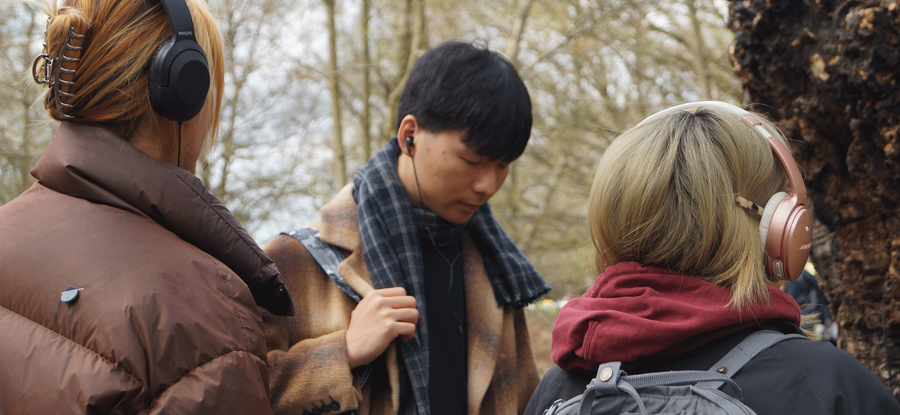
- This is not another course about making sound, but instead a programme that asks you to engage with the world through sound.
- Investigate how listening and sound-making might transform your practice.
- Work with approaches such as aural diversity, polisonics, forensic, insurgent and deep listening in order to expand your practice and situate your work
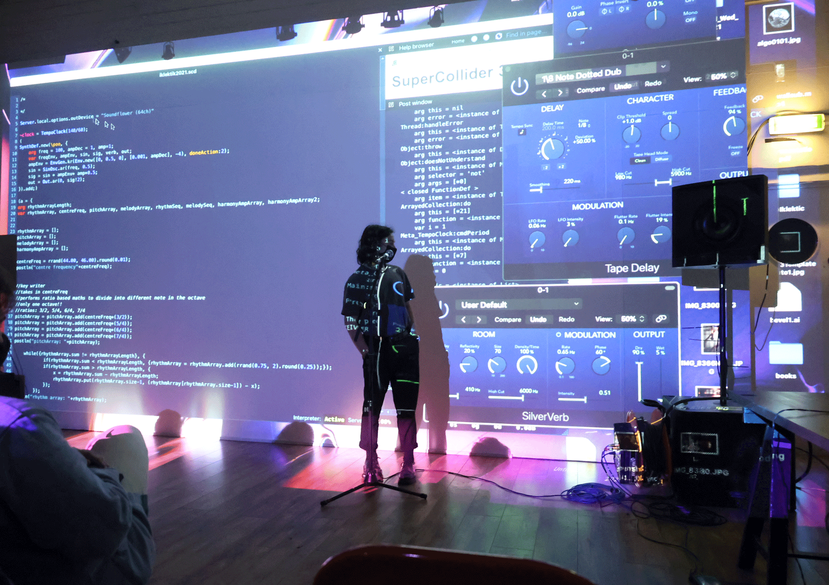
- Explore the potentials of techniques and tools such as 3D sound, ultrasonics hydrosonics, instrument building, audio description, live-coding, machine listening, synthesis and broadcast.
The first intake for this programme will be September 2027. Register your interest for programme and admissions updates. This programme is subject to validation.
Sound plays a crucial role across many areas of art and design, from physical environments to digital spaces, spanning cultures and continents. The MA Sound Practice will transform and deepen your understanding of how sound functions across different disciplines. By engaging with the possibilities of listening and making with sound, you will investigate how sound opens up new creative, social and political opportunities for artists and designers, offering alternative ways to interpret the world around us.
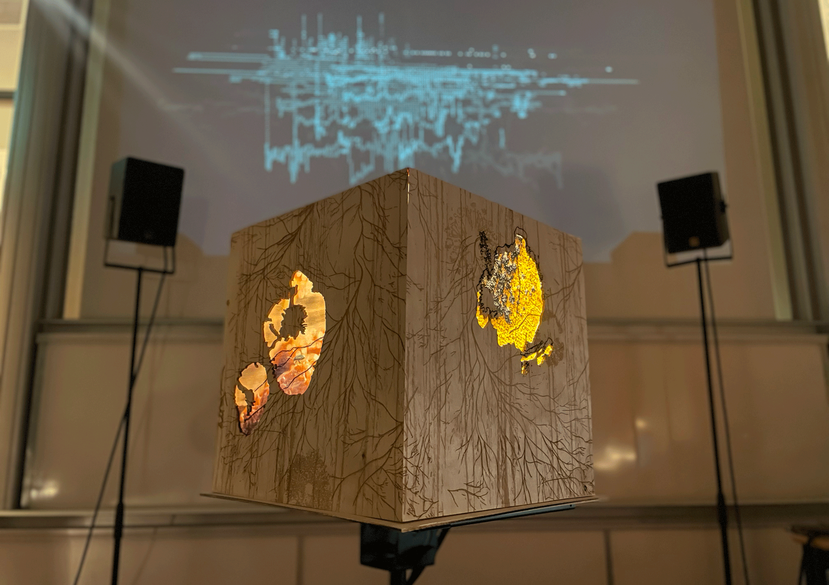
Your work might explore how sound can support understanding of ecological change, or examine the acoustic dimensions of urban environments, or investigate new approaches to instrument building for accessibility. You might collaborate to produce experimental audio documentaries, create sound installations that reflect shared histories and spaces, or design immersive soundscapes using emerging audio technologies. Through recording, composition, broadcast, installation or performance, you will also engage with communities, spaces and environments, and explore how sound shapes our understanding of the world and ourselves.
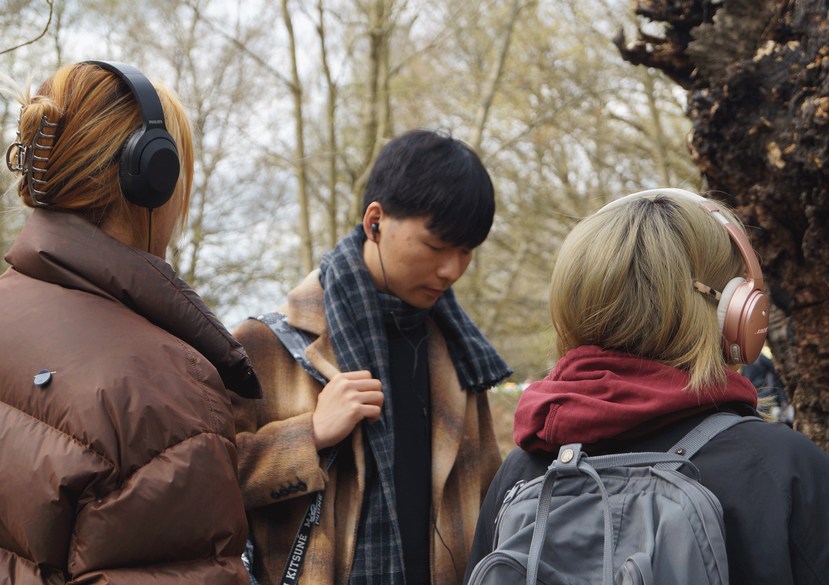
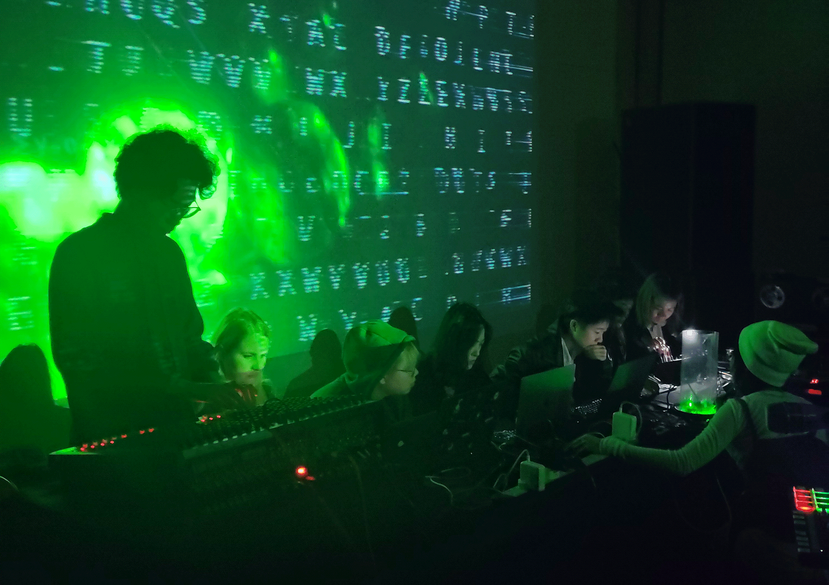
Gallery

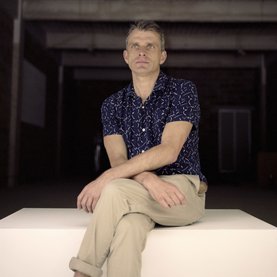
Staff

Facilities
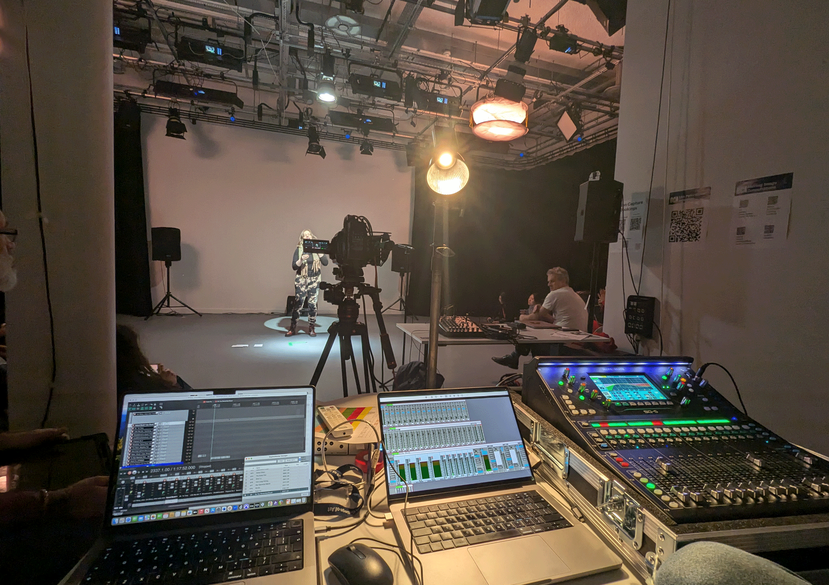
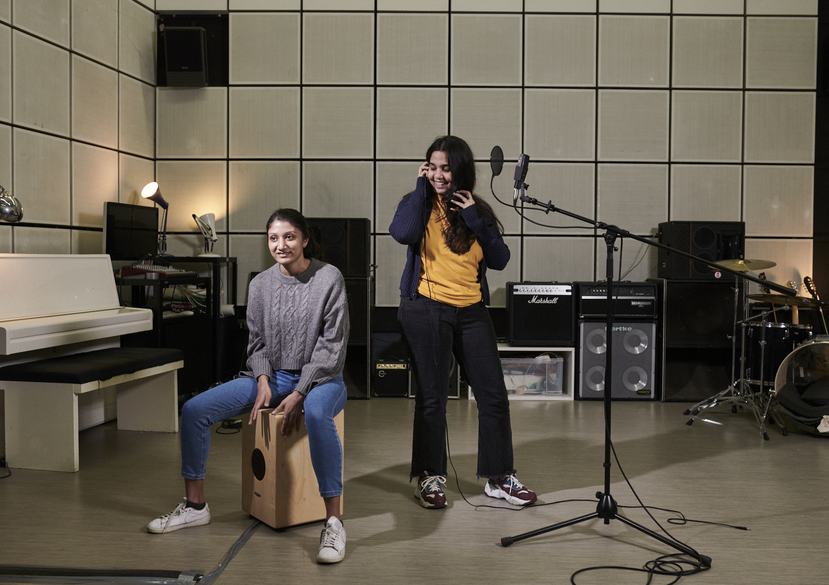
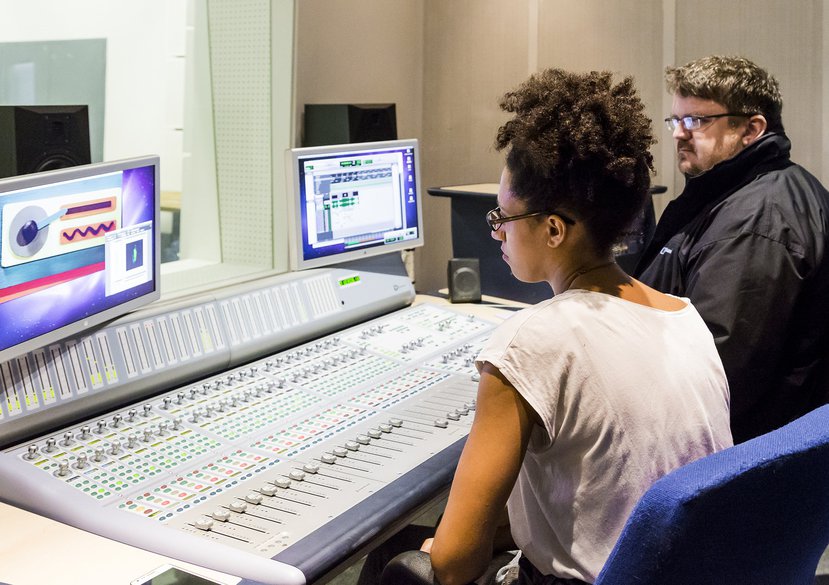
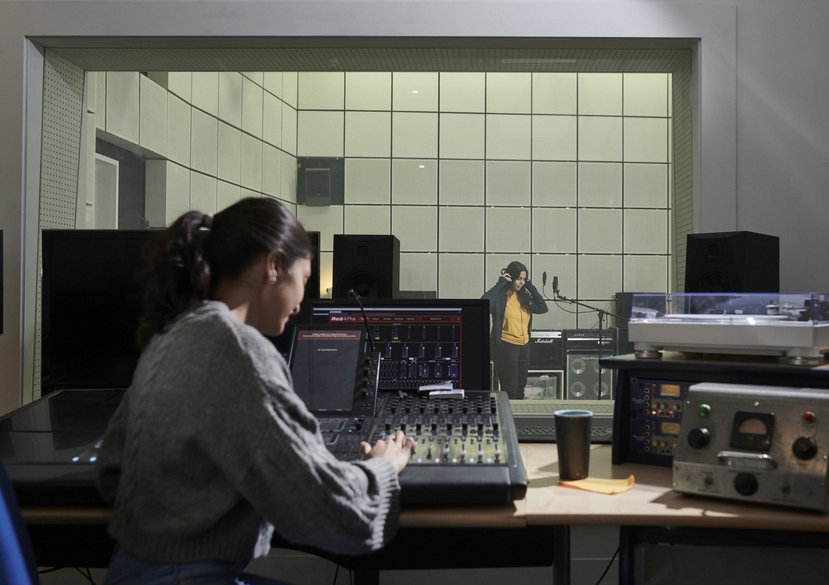
Sound MA students have access to a range of sound studios and technical facilities across the RCA.
View all College-wide facilitiesThese include spatial audio systems, multi-channel sound studios, field recording equipment and performance technology.
More details on what you'll study.
Find out what you'll cover in this programme.
What you'll cover
How will I learn?
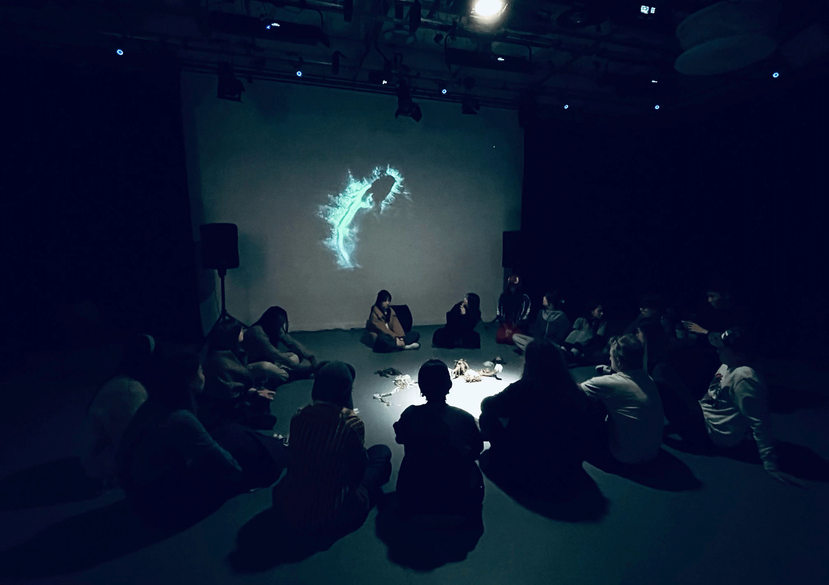
You’ll learn through a combination of listening lectures, workshops, seminars and tutorials. You will regularly work together to form blocs (groups), working towards group and individual outcomes such as performances and interventions onsite and with our partner venues. You’ll be taught by a team of professionals from the worlds of music, sound, design and fine art as well as engaging with artists through guest lectures and trips across the course.
What will I learn?
Term 1
In the first unit, Polisonics, you will explore the fundamental approaches of the programme, focusing on communal and experimental listening, sonic ecologies and socio-sonics. You will be introduced to a range of listening concepts such as Insurgent, Forensic and Deep Listening. Working in groups you will create new work which explores the agency and possibilities of making and thinking through sound, supporting you to situate your work within emerging listening territories.You will also participate in Sonic Bodies, where you will develop an embodied approach to sound practice, and explore how bodies; racialised, disabled, gendered, and socially marked, produce and experience sound.
Term 2
The unit Ensemble will invite you to build on your knowledge and critically engage with a wide range of sonic tools and approaches to group and individual sound composition. This unit will culminate in an opportunity to showcase your work professionally with one of our creative partner venues in London.
There are two electives in this term. In the first elective unit, you will be offered a choice of two units No Such Thing as Empty Space, where you will explore the politics of sonic space through engagement with concepts such as psychacoustics, and Listening Commons, where you will explore expanded notions of broadcast, distribution and community listening activities. Students from other programmes may join these electives.
Also in Term 2, a choice of elective units will allow you to shape your own learning journey. You will have the opportunity to work alongside students from other programmes, bringing your practice into dialogue with the creative approaches of your peers. This could either be through tackling ‘wicked’ design problems from a range of different perspectives, by collaborating on themed interdisciplinary projects, or by exploring how mutual exchanges of ideas and interpretations can foster a socially engaged practice. A full list of elective options will be published in 2027.
Term 3
Your Independent Research Project will be the focus of the third and final term. This project enables students to investigate an area of sound practice of their choosing, through listening inquiry, experimental sound-making, technical exploration and/or community collaboration. The unit offers space and time to consolidate and deepen the methods and critical approaches you have developed across the course so far, therefore allowing you to define, contextualise, produce and evaluate a substantial body of creative and theoretical work. You will be given an opportunity to publicly present your work during the Independent Research Project, in an exhibition or showcase.
This curriculum is subject to validation.
Requirements
What you need to know before you apply
We welcome candidates from a wide range of backgrounds and disciplines. You do not need formal training in music, sound or audio, but we expect you to demonstrate an engagement in sound and listening in your work or research. This might include experience in areas such as theatre, design, art, journalism or film.
What's needed from you
Portfolio requirements
Please upload one PDF with a maximum length of 12 pages showing examples of previous works to demonstrate your suitability for the programme. Examples of work could include audio, video, installations, visual work, patches or code, scores, design-based media or written text. If linking to audio or video, please provide a maximum of five links in the PDF using the hosting platforms Soundcloud, Vimeo or YouTube. These links should not be password protected.
Personal statement
Please provide a 300-word written personal statement that addresses the following points:
- Introduce yourself, your interests and your motivations for applying to the Royal College of Art, and to this programme in particular.
- Briefly summarise any educational background and professional experience to date that will support your application.
- Tell us what you want to do in the future.
Video requirements
As part of the application process, you must submit a video of no more than 2 minutes.
Tell us why you want to join the MA Sound programme and how your interest in sound has developed. We are interested in your background, the experiences that have shaped your engagement with sound and listening and the ideas or questions you would like to explore during your studies.
Fees & funding
For this programme
Fees for September 2027 entry
Fees for September 2027 entry on this programme are outlined below. From 2021 onward, EU students are classified as Overseas for tuition fee purposes.
Home
Overseas and EU
Deposit
New entrants to the College will be required to pay a non-refundable deposit in order to secure their place. This will be offset against the tuition fees. Deposits for 2027 entry will be confirmed in September 2026; 2026 deposit rates below for reference.
Home
Overseas and EU
Progression discount
For alumni who have completed an RCA Graduate Diploma and progress onto an RCA MA programme, a progression discount of £1,000 is available. For alumni progressing from an RCA Master's to another RCA Master's, a progression discount of £2,000 is available (£1,000 per year for part-time programmes).
* Total cost is based on the assumption that the programme is completed in the timeframe stated in the programme details. Additional study time may incur additional charges.
Scholarships
Scholarships
Each year, the RCA scholarship programme supports hundreds of students. The following are examples of scholarships awarded for 2026/27, with additional awards added throughout the year.
Even if you do not currently see a scholarship for which you meet the eligibility criteria, we encourage you to apply to be considered for financial support.
Unless otherwise stated, you must apply in either round 1 or 2, and have received an offer of study on an RCA programme to be invited to make a scholarship application. Therefore, we strongly recommend you apply for your programme as early as possible but no later than the round 2 deadline.
More information
Additional fees
In addition to your programme fees, please be aware that you may incur other additional costs associated with your study during your time at RCA. Additional costs can include purchases and services (without limitation): costs related to the purchase of books, paints, textiles, wood, metal, plastics and/or other materials in connection with your programme, services related to the use of printing and photocopying, lasercutting, 3D printing and CNC. Costs related to attending compulsory field trips, joining student and sport societies, and your Convocation (graduation) ceremony.
If you wish to find out more about what type of additional costs you may incur while studying on your programme, please contact the Head of your Programme to discuss or ask at an online or in person Open Day.
We provide the RCASHOP online, and at our Kensington and Battersea Campuses – this is open to students and staff of the Royal College of Art only to provide paid for materials to support your studies.
We also provide support to our students who require financial assistance whilst studying, including a dedicated Materials Fund.
External funding
There are many funding sources, with some students securing scholarships and others saving money from working. It is impossible to list all the potential funding sources; however, the following information could be useful.
Payments
Tuition fees are due on the first day of the academic year and students are sent an invoice prior to beginning their studies. Payments can be made in advance, on registration or in two instalments.
Experience
The social media content shown here reflects past and current student activity and is provided for illustrative purposes only. Experiences on the programme may vary and are subject to change for future students.
Ask a question
Get in touch if you’d like to find out more or have any questions.

More opportunities to study at the RCA
Related programmes


