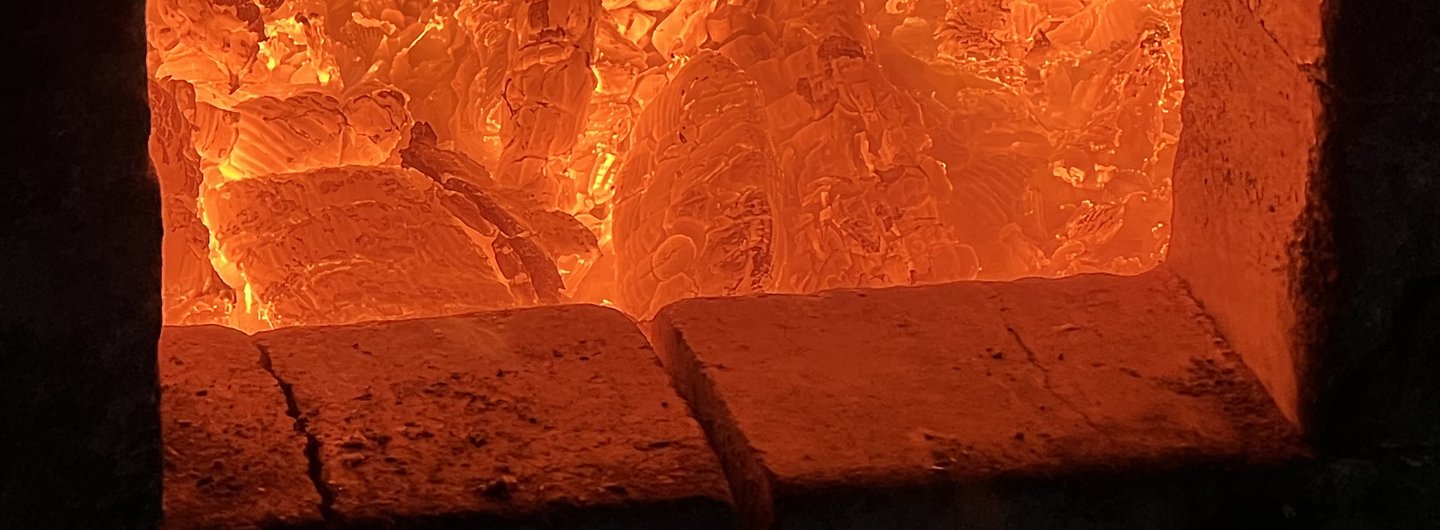
The Carbon Literacy and Ceramic Kilns project is a collaboration between Professor Peter Oakley, the IAA Impact Fellow, and staff from The Leach Pottery, MAKE Southwest, and Oxford Kilns to determine and record the carbon footprint of a range of ceramic firings using different fuels.
At a glance
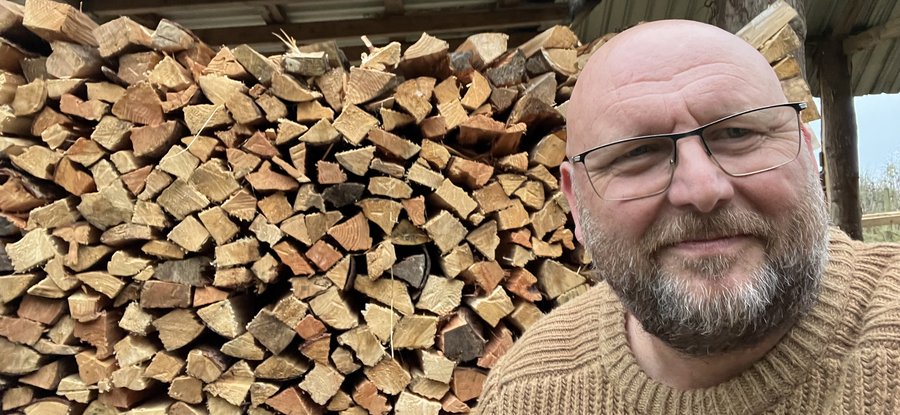
- The Carbon Literacy and Ceramic Kilns Impact Fellowship is held by Professor Peter Oakley.
- The Fellowship has been funded through the RCA AHRC Impact Acceleration Account award (UKRI reference number AH/X00337X/1).
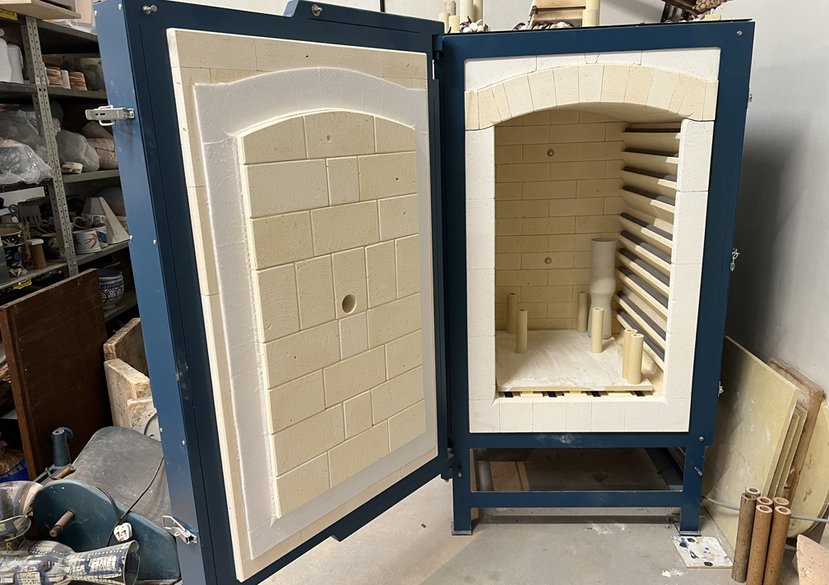
- The Carbon Literacy and Ceramic Kilns project is determining the carbon footprint of different ceramic kiln firings using a range of fuels, including electricity, wood and gas.
- Practitioners affiliated to the project’s partner organisations are being trained to collect and analyse their firing data to determine the carbon footprint of their firings.
- The project’s overall findings will be broadcast via a written report and through a series of practitioner engagement sessions.
Key details
Gallery
More information
Partners
The Leach Pottery
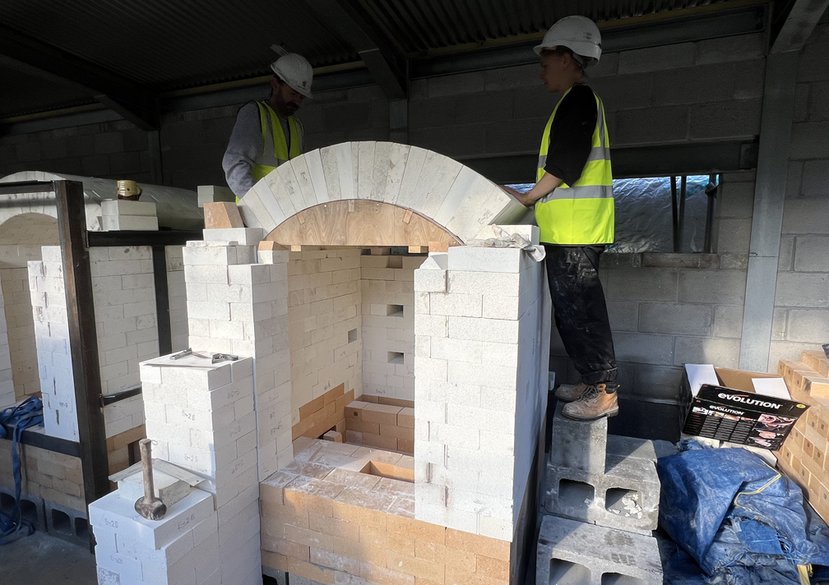
The Leach Pottery has been innovating and experimenting for over 100 years. Bernard Leach and Shoji Hamada, who set up the pottery, created a site that brought together new ideas, different cultures, training and the exploration of what it means to make as an artist potter. In 2020, the Pottery embarked on a project to replace the current production studio and learning spaces with a carbon-neutral building. As part of this change, they are building a new kiln shed and gas kilns, with the intention of trialling renewable fuel sources.
MAKE Southwest
MAKE Southwest is a charity based in Bovey Tracey, Devon, with a membership drawn from across the Southwest and wider afield. They champion a dynamic and inclusive making culture in the Southwest, inspiring creative growth and excellence for all. They have chosen to integrate environmentally responsible practices into all aspects of the charity’s work, including promoting sustainable materials, processes, and principles among makers and educators. MAKE southwest also manages the Green Maker Initiative, which highlights the importance of environmental stewardship in the craft sector.
Oxford Kilns
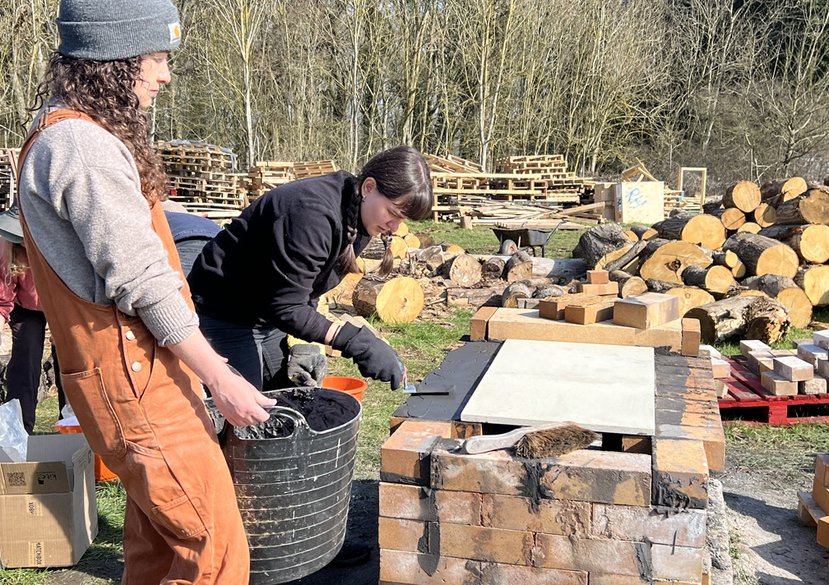
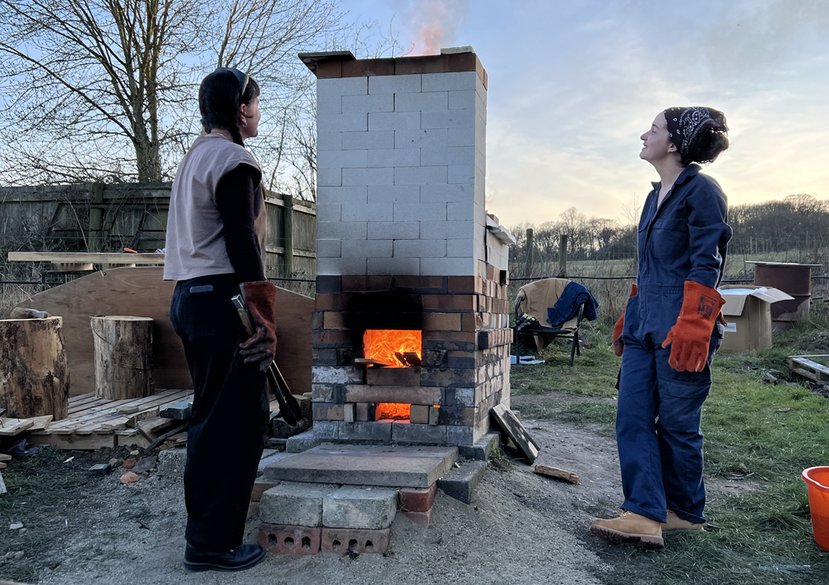
Oxford Kilns is based in Wytham Wood near Oxford and specialises in conducting high temperature firings using responsibly sourced wood as fuel. They are committed to supporting environmentally responsible ceramics practices through inclusive education, accessible research opportunities, and hands-on kiln-building and firing projects — with a particular success and focus on broadening participation in ceramics and opening new pathways into woodfiring for a more diverse range of makers.
The challenge
Firing is a fundamental process for studio ceramics, yet comparative data on the carbon footprint of studio firings using different types of fuel, or for firings reaching a specific temperature, is difficult to obtain. This means it is difficult for practising studio ceramicists to make informed decisions about improving the sustainability of their own activities or to compare the carbon footprints of different approaches.
Our approach
Working with the project partners, the Carbon Literacy and Ceramic Kilns (CLCK) Fellow will be undertaking and recording a series of firing observations on typical studio kilns, collecting data on a range of standard firings using different fuels, and noting any distinctive aspects in the firing cycle. These findings will be used to make comparisons of the carbon footprints of the observed firings and between the fuels used, whilst remaining sensitive to the exceptional aspects of each firing approach. The carbon footprint data will be co-created with members of the partner organisations, facilitating their training in carbon literacy and carbon footprint data collection, analysis, and reporting.
Activities
As well as the data collection (which will include the partner affiliates training), the project will include a sequence of engagement workshops for professional studio ceramic practitioners. These will cover the basics of carbon literacy and how carbon literacy principles can be applied to all ceramic firings, as well as the limitations of the approach and the need to consider alternative metrics when these are relevant.
Outputs
The CLCK Fellow will be writing a project report that outlines the project and the types of firings and fuels observed. It will compare the calculated carbon footprints, as well as noting the other features of the firings that relate to improved sustainability in studio ceramic practice.