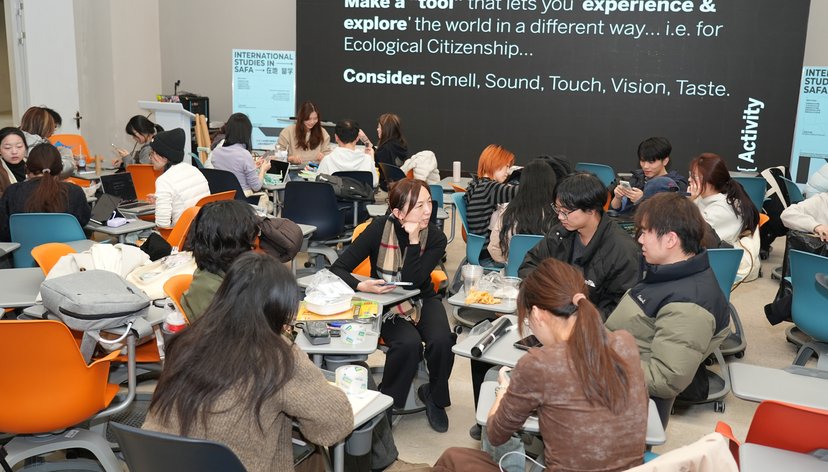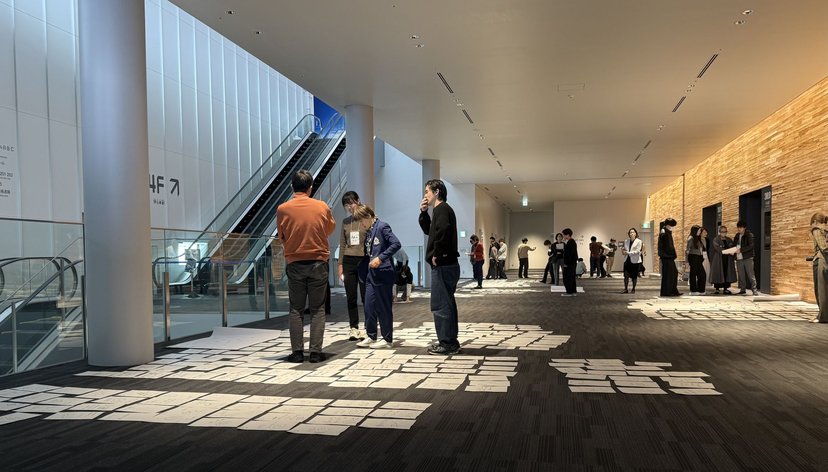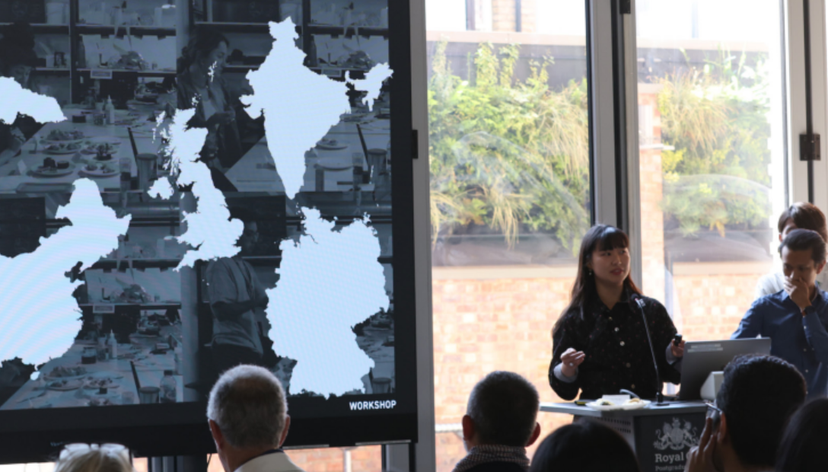
Becoming Regenerative (B-Regen) is an AHRC/ESRC UKRI-funded research initiative exploring how innovative regenerative ideas emerge, evolve, and gain traction within entrepreneurial contexts to inform regenerative policymaking.
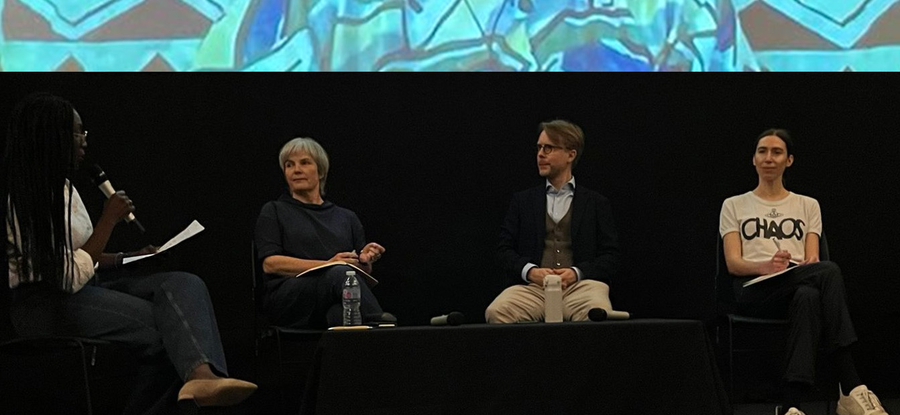
Becoming Regenerative (B-Regen) is an AHRC/ESRC UKRI-funded investigation into how innovative regenerative ideas emerge, evolve and gain traction within entrepreneurial contexts. B-Regen brings together the Royal College of Art, University College London (UCL) and Loughborough University London (LUL).
Led by a multidisciplinary team, the project follows a global research on real-world journeys of creatives and entrepreneurs as they push the boundaries of regenerative innovation. Our mission is to explore how design can catalyse radical regenerative practices, ways of being, imaginaries, while also investigating new economic systems and co-creating more supportive ecosystems.
Through imaginative and evidence-based research, we aim to surface the challenges, paradoxes, and strategies that ventures trying to implement regenerative innovations navigate within the confines of present constraints of current economic systems.
Our ultimate aim is to generate the most comprehensive account of how regenerative innovations emerge, particularly in the context of art and design schools, as well as the creative sector. From this, we hope to culminate in a set of policy-making recommendations.
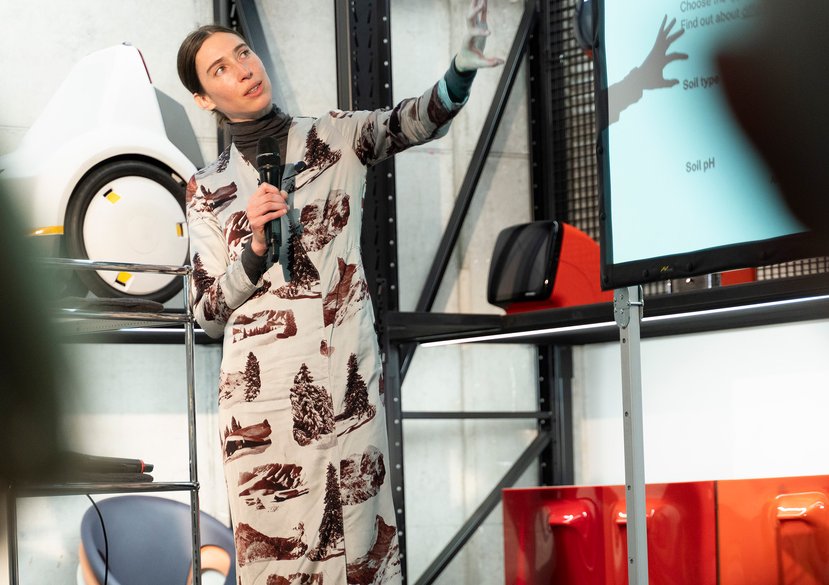
Image : B-Regen launchCrop
Key details
Gallery
More information
The challenge
Design Education as a Catalyst: How design and creative practices catalyse regenerative transitions at a product, process, services and systems level. This includes design curricula recommendations.
Regenerative Decision-Making: Tracing how regenerative thinking reshapes practices of responsibility, agency, and accountability across interdependent systems.
Regenerative Innovation: Exploring how regenerative ideas emerge, evolve and gain momentum in creative and entrepreneurial contexts.
Non-Hegemonic Methods: Bringing together empirical research, design research, and speculative rigour to explore regenerative innovation in ways that are both grounded and imaginative. By combining evidence with imagination, we seek to make sense of complex present-day realities and to open up space for thinking about how regenerative futures might take shape.
Systemic Enablers for Regenerative Futures: We explore the landscape shifts needed for regenerative innovation to thrive. By drawing on cases from around the world and by working with regenerative entrepreneurs’ critical prospective imagination, we aim to surface best practices and systemic enablers that help create more supportive conditions for regenerative approaches.