Key details
Date
- 11 February 2026
Author
- Alexandra Genova
Read time
- 4 minutes
RCA's Executive Education equips leaders with the creative capabilities that are shaping the future of work.
In a world reshaped by artificial intelligence, new forms of global collaboration, and evolving expectations of work, the skills leaders need are shifting. Today’s organisations are seeking people who can think creatively, empathise with users and teams, navigate complexity, and collaborate across disciplines — not only because these skills are valuable, but because they have become essential.
These capabilities — long nurtured at the Royal College of Art — are at the heart of executive learning in 2026. “Our executive level programmes combine the College’s deep heritage in design education with practical, applied learning for leaders, innovators and organisations,” says Dr Nick de Leon, Executive Education Lead at the RCA. “The learning environment — where creative practice, research and professional experimentation intersect — creates a distinctive experience that cannot be replicated in a traditional business school setting.”
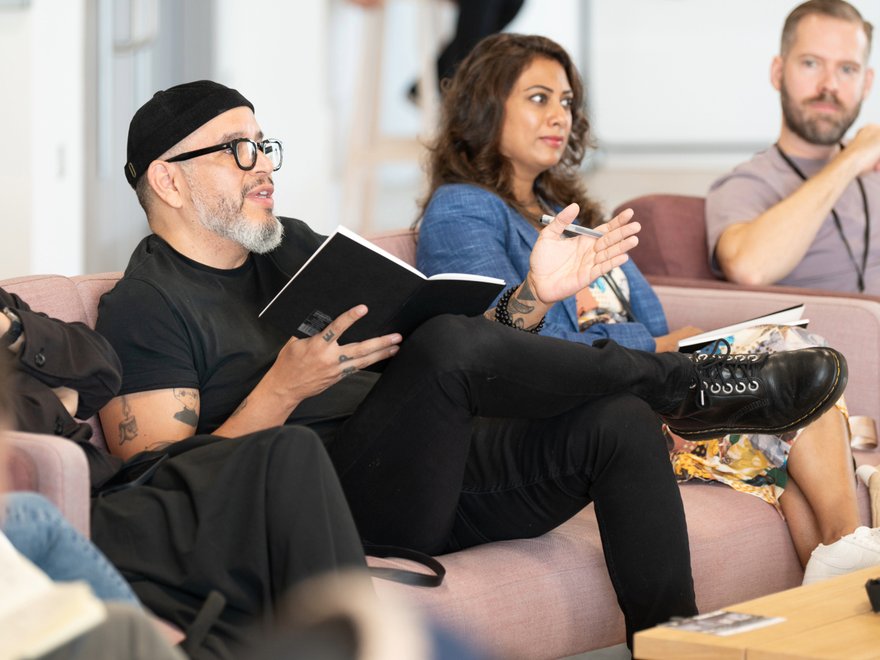
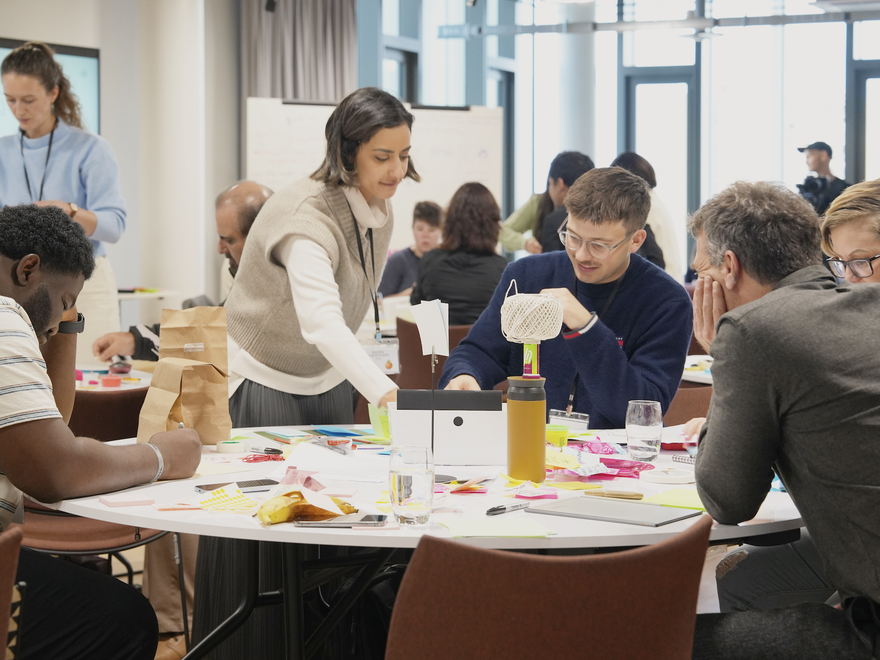
Group discussion, RCA Executive Education Programme X Tate Modern, photographer Ezzidin Alwan, 2024
Why this learning matters now
According to the World Economic Forum’s Future of Jobs Report 2025, employees expect 39% of workers’ core skills to change by 2030, down from 44% projected in the 2023 report. Crucially, the World Economic Forum attributes this reduced level of disruption to a growing emphasis “on continuous learning, upskilling and reskilling programmes, enabling companies to better anticipate and manage future skill requirements.”
These programmes are exactly what has been developed by RCA Executive Education for more than ten years, delivering over 200 customised executive level professional programmes to date. The programmes are built on the belief that human-centred, creative skills are core competencies for tomorrow’s workforce. This is why organisations and individuals come to the RCA — and why more leaders are recognising creative thinking and interdisciplinary problem-solving as strategic advantages.
Neville Brody, an influential designer who is leading a Masterclass at RCA this year, explains why engaging with these core skills is especially necessary for senior creatives and leaders. “Experienced practitioners need the chance to challenge creative assumptions. In an age of AI it’s becoming more difficult to take meaningful risks, and break free from habitual ways of working,” says Brody. “It isn't about producing an instantly perfect outcome; it's about embracing the process of response itself as a gateway to new learning, change, and creative revitalisation.”
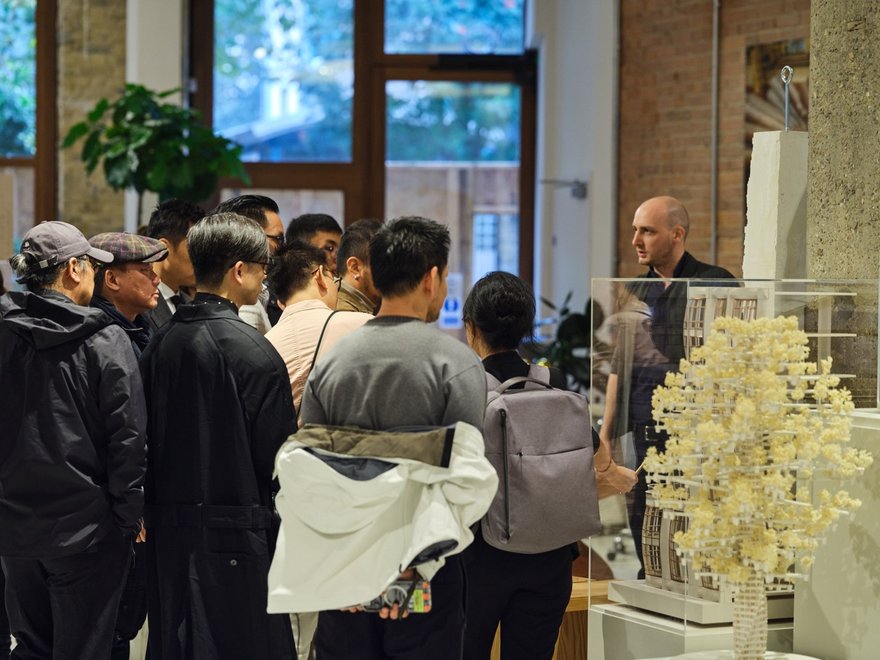
Architecture practice visit in London, Interior Design RCA Executive Programme, 2025
Why the RCA is uniquely placed
As the oldest continuous school of art and design in the world, the Royal College of Art combines heritage with a forward-looking ethos. The College’s environment — where creative practice, research and professional experimentation intersect — creates a distinctive learning experience that cannot be replicated in a traditional business school setting.
One of the hallmarks of RCA executive education is learning through doing. Participants engage with real challenges, work in multidisciplinary teams, prototype solutions, and receive expert feedback — all in a setting that mirrors the collaborative, project-based realities of contemporary work.
RCA Executive Education programmes prioritise:
- Action-oriented learning — projects and workshops over passive lectures
- Collaborative problem-solving — working with peers from different backgrounds
- Expert facilitation — guided by practitioners with real-world experience
- Immediate application — tools and insights that can be used straight away
- Culture of inquiry — experimentation and creative collaboration
RCA Executive Education takes place in vibrant studio environments on campus in London and globally, with options for blended and online delivery.
Design Thinking & Innovation in Practice Masterclass, RCA Executive Education
Executive education at the RCA
The RCA’s executive education portfolio includes a mix of open courses and bespoke programmes. The tailored programmes respond to specific strategic challenges and learning is grounded in real organisational contexts rather than abstract case studies. This approach is reflected in a wide range of international partnerships. Recent examples include a bespoke design thinking programme with Gunma Prefecture in Japan, and a specialist programme developed with Chanel, as part of the CHANEL next prize.
Meanwhile, open courses provide a valuable entry point for individuals and organisations, and are able to respond to emerging shifts in technology, leadership and practice. The new courses for 2026 reflect the growing impact of AI on leadership and creativity, and explore how leaders can work productively with technological advances, while retaining ethical awareness and integrity.
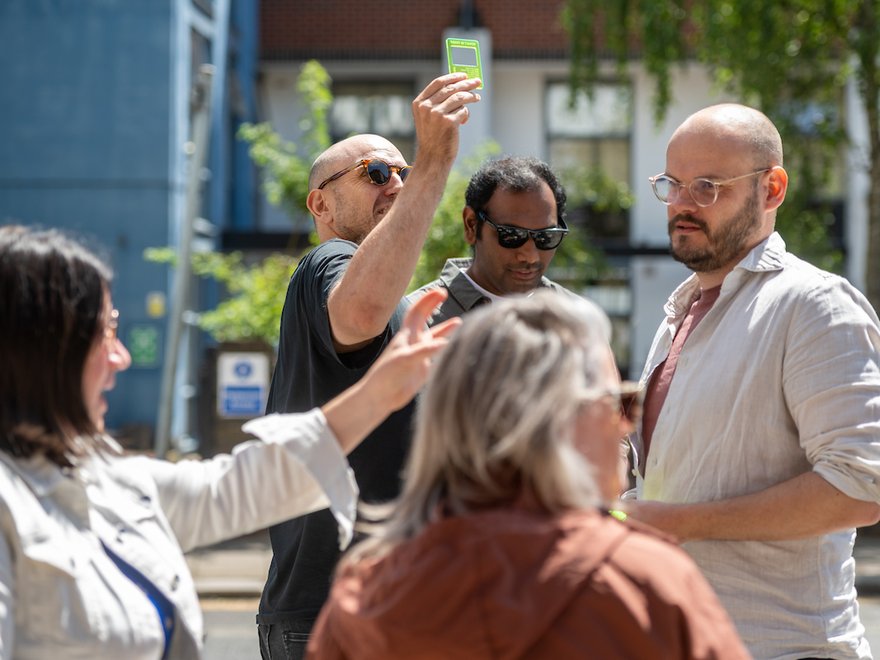
Futures through Design, research in London for group project, RCA Executive Education
New short courses for 2026
Leading with a Design Mindset for a World Changed by AI
A timely programme exploring how leaders can guide human–AI collaboration with creativity, ethical judgement and adaptive decision-making.
Design Without: a Neville Brody Masterclass
Led by the influential designer Neville Brody, this immersive experience challenges participants to explore creativity, experimentation and risk beyond conventional boundaries.
Futures Through Design
A forward-looking course that equips learners to anticipate change, explore emerging opportunities and design resilient strategies.
Established offerings
Alongside these new programmes are long-running courses that reflect the RCA’s experience and authority in executive education:
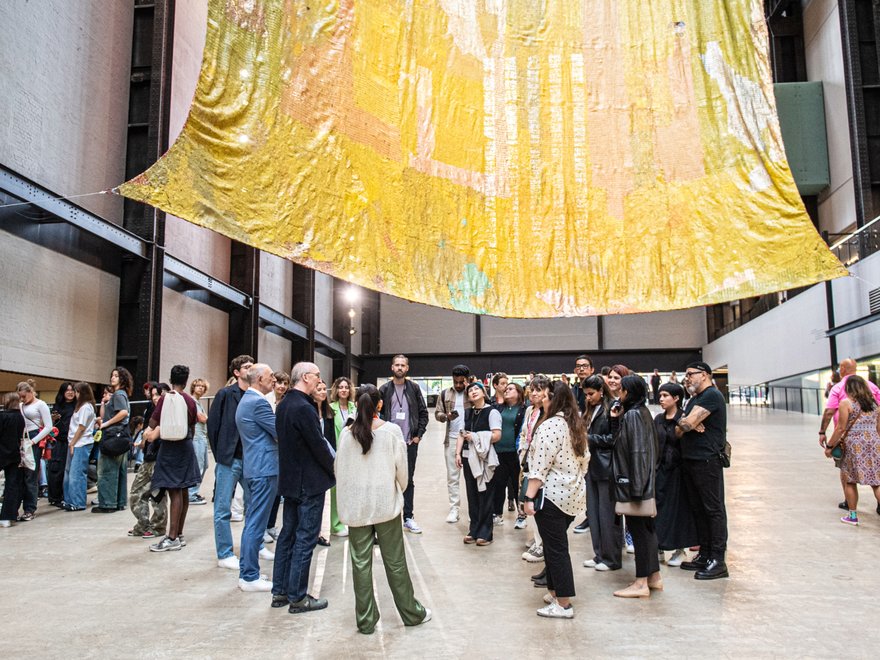
Tate Modern visit, RCA Executive Education Programme, photographer Ezzidin Alwan
Find out more
Explore the 2026 course portfolio — or speak to the team about custom executive programmes — and discover how the Royal College of Art can help build the human-centred skills organisations need to thrive.
Also of interest

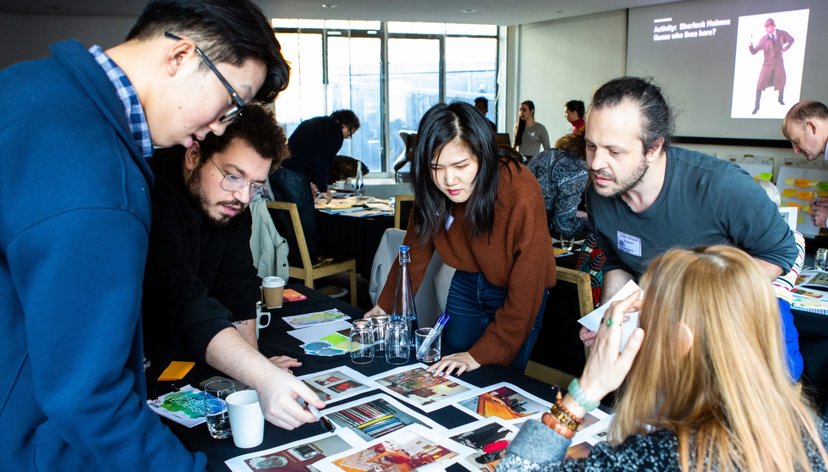

Explore the 2026 short course portfolio
Discover how RCA builds human-centred skills for thriving organisations and individuals.