Introduction to the Strategic Plan 2026–30
Jump to
Sir Peter Bazalgette, Pro-Chancellor & Chair and Professor Christoph Lindner, President & Vice-Chancellor, introduce the College's Strategic Plan 2026-30.
Sir Peter Bazalgette
Pro-Chancellor and Chair
“At times of great change, the social, economic and public good achieved by art and design education is more important than ever.”
The RCAʼs alumni have been innovating, experimenting and transforming the UKʼs powerhouse creative sector ever since its foundation nearly 200 years ago.
You may be aware of the great artists who are part of our community – among whom include David Hockney, Dame Tracey Emin, Sir Frank Bowling, Henry Moore, Bridget Riley and Chris Ofili. Perhaps you are also aware of film directors Sir Ridley and Tony Scott; fashion luminaries Dame Zandra Rhodes, Philip Treacy, Ossie Clark and Erdem; or illustrator Kate Greenaway. But did you also know that without RCA graduates, you would not have Plasticine, the Dyson vacuum cleaner, the plastic stacking chair, the Porsche 911, the Rolling Stones’ “lips” logo or the London 2012 Olympic torch and cauldron?
Our students and alumni shape our culture and world, and we could not be more proud of them. We are privileged to have been the world’s number one art and design university for over a decade, but we do not take that position for granted. It is the Royal College of Art’s job to ensure that the environment, teaching and support we provide each generation of students enables them to keep pushing at the boundaries of the possible; that our research makes the world a better place; that our embracing of new methods and technologies drives economic growth and supports innovation. I look forward to seeing how this Plan’s ambitious changes help us deliver our goals.
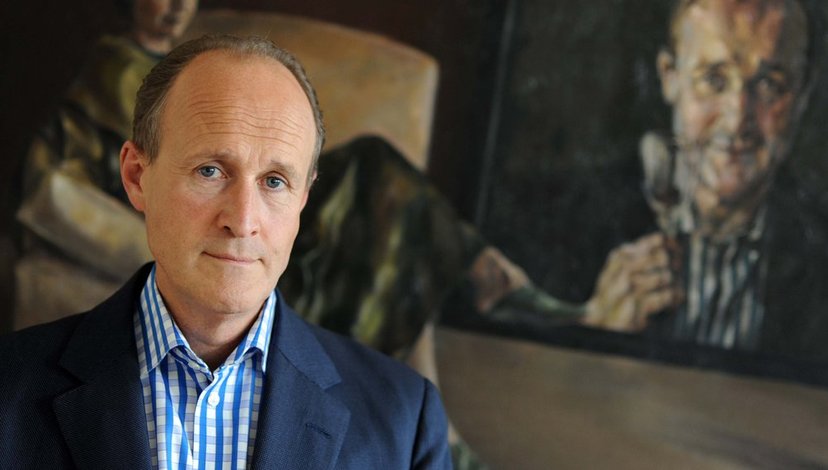
Sir Peter Bazalgette
Professor Christoph Lindner
President & Vice-Chancellor, Royal College of Art
This five year Strategic Plan is the first step towards our vision of the Royal College of Art at our 200th anniversary in 2037 as the worldʼs most influential art and design community. Each word in that vision has importance.
“We will be a global institution, with research and education hubs outside of the UK for the first time. We will set the direction of art and design education – not just through our own work, but through reaching out and engaging with more partners than ever before. And our students, staff, researchers and alumni will be at the heart of everything we do.”
By 2030 we will already have made significant progress towards our bicentenary vision. Our historic Kensington home will be renovated, and the RCA will once again be on two central London campuses – bringing our community together with a new creative energy, driving cross-disciplinary exploration, and creating more connections and possibilities.
New technologies and trends will shape what and how we teach, research and work. We will be at the forefront of exploring the potential of those technologies in the creative industries, as well as how we use our work to tackle urgent challenges such as climate change and inequality.
Almost all UK students with financial need and more international students than ever before will have access to scholarship support. We will interact with even more global artists, educators, designers, researchers and innovators through UK-wide and international partnerships. All of these ambitions will be realised alongside enhancing the experience of students and staff, and engaging even more actively with our extraordinary network of alumni.
Our partnerships will be vital to achieving our goals – from the commitments we make to our students, to the bonds shared between our staff, to the connections we develop with the alumni, funders, donors, academic institutions, businesses, government and regulatory partners, local communities and cultural organisations who make the RCA’s work possible and meaningful.
Crucially, we will continue to provide a home for making, where people can create, reframe how we perceive the world, and bring joy to those who experience that work – because we know and deeply believe that this work matters.
We hope you share our excitement about our plans for the future and we invite you to join us in making these plans a reality.
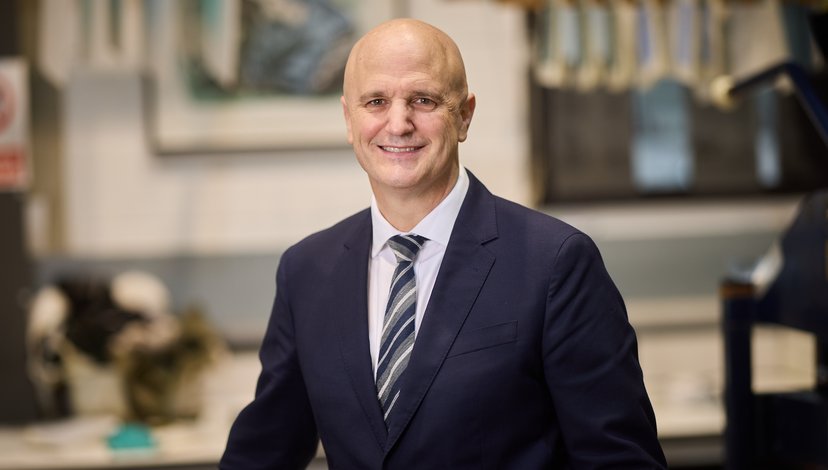
Professor Christoph Lindner