Key details
Date
- 9 November 2026
Author
- Jessie Bond
Read time
- 8 minutes
Service Design alumni explain how the RCA has shaped their careers working for organisations such as IBM and Transport for London.
Key details
Date
- 9 November 2026
Author
- Jessie Bond
Read time
- 8 minutes
Problem solving, engaging stakeholders, designing holistically, facilitating collaboration across disciplines, creating meaningful change, thinking critically, finding responsible and feasible solutions. Graduates from the Service Design MA programme share some of the essential things they learnt while studying with us that they still use in their career day to day. While each has taken a unique career path, they all describe the vital impact of the network they built while studying here.
Jae Sun Park (Service Design MA, 2020), Transport for London
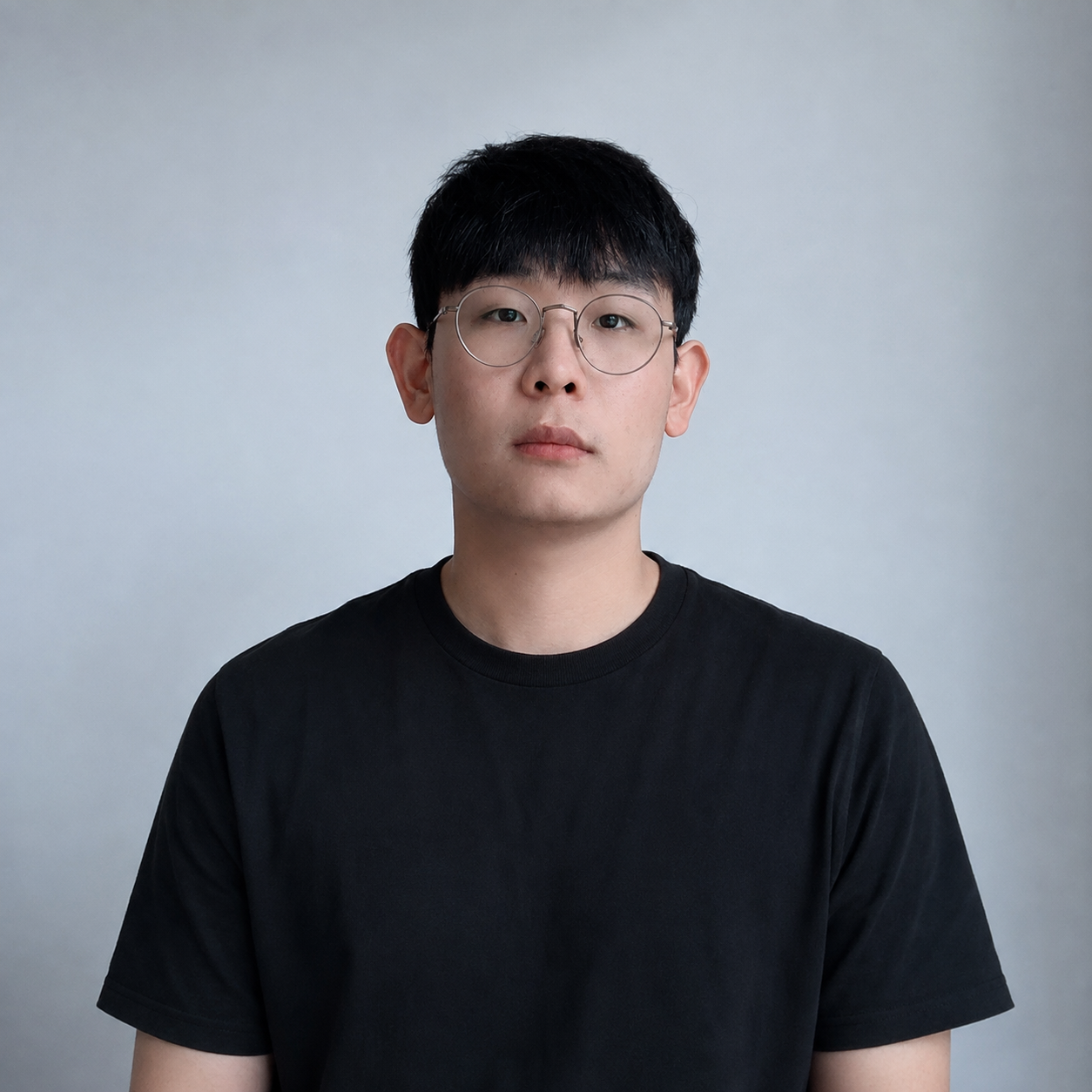
“The knowledge and skills I gained at the RCA were extremely valuable, but the most important thing I took away from the programme was the relationships I built with my peers and tutors.”
Service Design MA alumni
Jae Sun Park is a Service Designer within the data and analytics team at Transport for London (TFL). Previously he was a Service Designer at electric vehicle start-up ARRIVAL, a role he found through the network he built during his time at the RCA. Before coming to the RCA he trained as an Interior Designer and worked briefly as a design researcher for a government organisation in South Korea.
Are there any particular experiences from your time studying Service Design that you use in your job day to day?
Studying Service Design has changed the way I think. I now tend to look at situations more holistically and focus more closely on the outcomes they might create. This affects both small interactions and major decisions.
When working on a project, I base my design decisions on extensive research so that I can understand the wider context, rather than responding only to the problem as it was initially presented. This helps me avoid proposing solutions that might solve one issue while creating unnecessary work or further problems elsewhere.
Was there a particular RCA project that had a big impact on you?
Working on my Independent Research Project probably had the greatest influence on how I think about service design.
The project involved several stakeholders, each of whom needed to gain something from taking part. At the time it was eye-opening to realise that a service could be designed in a way that created value for everyone involved.
Each stakeholder had different priorities, resources and objectives. I became interested in how these could be brought together so that stakeholders exchanged something they had with something they valued more. This showed me that a service could become more sustainable when it was built around mutual benefit, rather than relying entirely on financial incentives, goodwill or organisational hierarchy.
In my current work, I try to ensure that every stakeholder has a meaningful reason to contribute to a project. Asking someone for a favour is very different from creating the conditions for their active commitment. When stakeholders are genuinely invested, a project becomes more responsive to its context and is far more likely to remain sustainable over time.
Did you build good relationships with peers, within the programme or across the RCA?
The knowledge and skills I gained at the RCA were extremely valuable, but the most important thing I took away from the programme was the relationships I built with my peers and tutors.
I now have a network of people working across different parts of the industry and around the world who know me personally and understand what I can bring to a project. That has been valuable professionally, particularly when looking for opportunities or seeking advice.
More than anything, though, I made some wonderful friends whose company I genuinely enjoy, and those relationships have continued long after the programme ended.
Maddie Arnott (Service Design MA, 2024), IBM
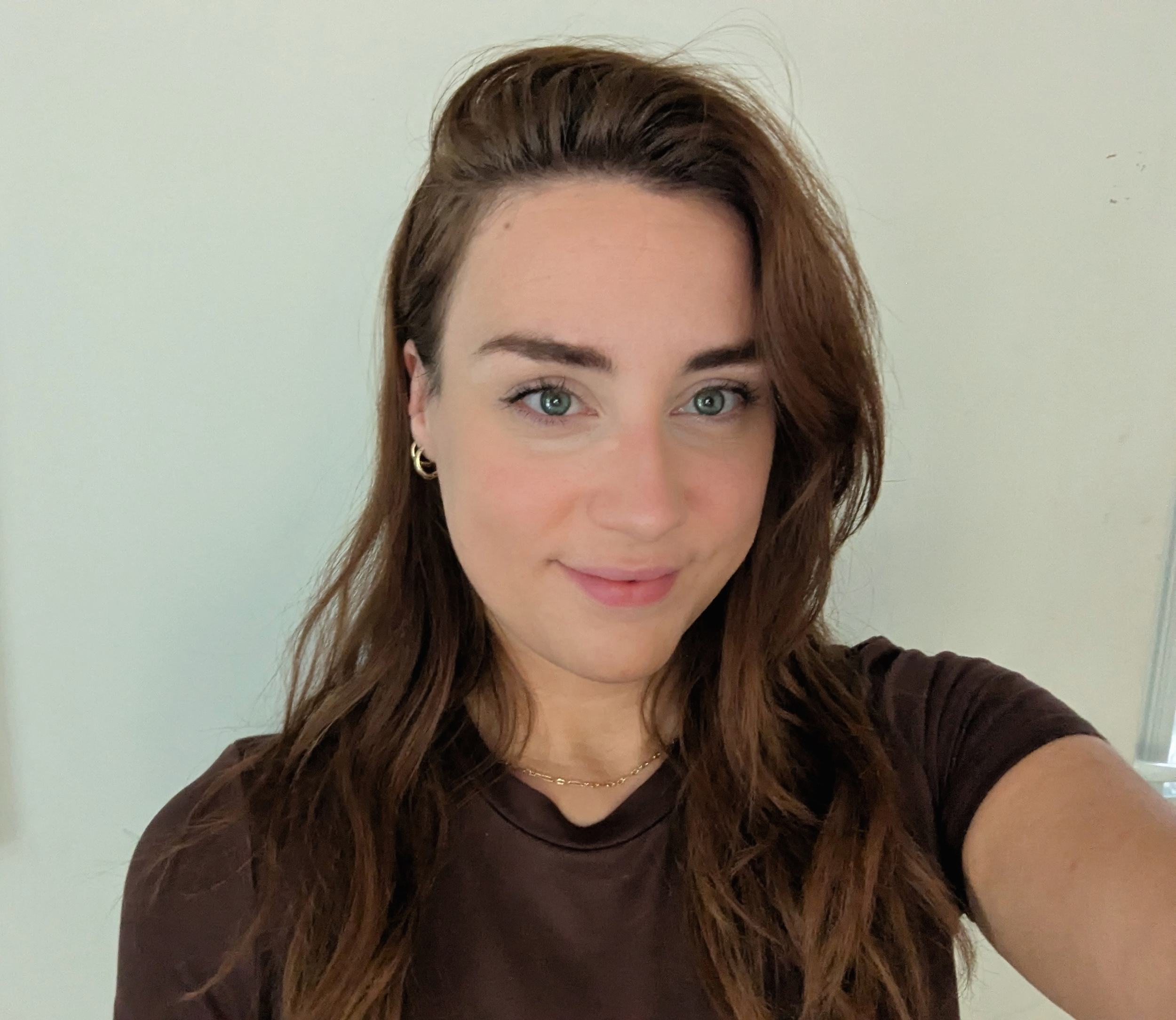
“The RCA gave me the confidence to navigate uncertainty, facilitate collaboration across disciplines, and approach challenges with empathy, evidence and an open mind.”
Service Design MA alumni
Since graduating, Maddie Arnott joined IBM as a Service Designer and she is currently working with the NHS. Before coming to the RCA she studied Illustration and worked in hospitality and events.
Why did you decide to study Service Design MA at the RCA?
I came to the RCA because I was interested in tackling more complex societal challenges, and Service Design allowed me to do this. I was excited by the combination of innovation, collaboration and problem solving to deliver meaningful change.
The RCA gave me the confidence to navigate uncertainty, facilitate collaboration across disciplines, and approach challenges with empathy, evidence and an open mind. More than anything it reinforced my belief that fundamentally service design is about taking action not just discussing ideas.
Are there any particular skills from Service Design that you use in your job day to day?
One of the main lessons I took from the RCA is that good service design starts with listening. The programme taught me to slow down, question everything and research thoroughly before jumping to any ideas or conclusions.
I particularly see value in using visualisation to communicate complex problem spaces and journeys, creating a shared understanding across disciplines. My illustration background also helps me translate complexity into clear, engaging visuals, something I practiced a lot during my time at the RCA.
Was there a particular project that had a big impact on your way of thinking about service design?
A project that had a significant impact was a social impact project exploring homelessness, its lasting impact on self-worth and what this means for solving this systemic and complex issue. We designed a hybrid charity and social enterprise coffee shop that combined entrepreneurial opportunities with essential services such as laundry and shower facilities, while placing community connection at its heart.
This project showed me the importance of focusing on one small part of a much bigger systemic issue. Rather than becoming overwhelmed by the scale of the entire problem and getting stuck without taking action, we zoomed in on where we could create meaningful change and designed a solution around that.
It also taught me that sometimes the best way to gather insights is to immerse yourself in the issue. Through volunteering, talking to people, and getting involved with the communities we were designing alongside, we were able to gain a much deeper understanding of the unique realities behind the problem. It reinforced to me that good service design starts with genuinely understanding people’s experiences and never judging.
Did you build good relationships with peers within the programme and across the RCA?
Without question! One of the greatest things to come out of my time at the RCA was the people. Being surrounded by talented students from different cultures and professional backgrounds constantly challenged my perspective during my time there. The programme created an environment where ideas could be tested openly and feedback was encouraged. Constant collaboration during projects and activities outside of the RCA made me many friends for life and those relationships have continued well beyond graduation.
Alessandro Paone (Service Design MA, 2020), Made Tech

“One of the biggest things the RCA taught me was to think critically and question the norm.”
Service Design MA alumni
Having studied Biomedical Engineering and Industrial Design, Alessandro Paone was looking for ways to have a bigger impact on society. That’s when he discovered the Service Design MA programme at the RCA. He is now a Service Design Lead at Made Tech, after spending five years at EY Studio+.
Are there any methods or approaches from your time studying Service Design that you use in your job day to day?
One of the biggest things the RCA taught me was to think critically and question the norm. Rather than accepting a problem as it's presented, I learnt to challenge assumptions, explore the root causes, and make sure I was solving the right problem. That's a mindset I use every day in my work with clients.
I also learnt that using tools for the sake of it is one of the quickest ways to waste time. I learnt what blueprints, personas, stakeholder maps and other service design tools are, and having that foundation is incredibly important. What's even more critical, though, is understanding that tools are just that: tools. They can help you build something, but they don't define the outcome. The real value comes from the person using them, bringing their own perspective, judgement and critical thinking to shape something that responds to a very specific challenge.
Was there a particular project that you worked on at the RCA that had a big impact on you?
One project that had a lasting impact on me was InHouse, led by Judah Armani. We were asked to design a post-prison service that would support graduates after release by connecting an ecosystem of partners to enable rehabilitation and self-realisation, while creating a model that could be replicated and integrated into the wider InHouse offer.
The project transformed the way I think about service design. It taught me that one of the most important responsibilities of a designer is to challenge the problem statement before trying to solve it. It's easy to become focused on delivering a solution, but unless you're solving the right problem, even the best-designed service won't create meaningful impact.
It also changed the way I approach collaboration. The project showed me the importance of being humble and recognising the limits of my own knowledge. As service designers, we often work in unfamiliar contexts, so asking the “stupid” questions is essential. Those questions often uncover the insights that everyone else has overlooked. That mindset has stayed with me throughout my career and continues to shape how I work with clients, experts and multidisciplinary teams today.
Did you build good relationships with peers, within the programme and across the RCA?
Absolutely! Many of my classmates and students from other courses have become close friends and colleagues. Every single one of them came from a different background and has gone on to work in different roles, from consulting to in-house positions across a variety of sectors. They have all continued to be a source of inspiration and a valuable sounding board throughout my career, whether by sharing experiences, discussing challenges, or offering a different perspective on a problem.
Ceci Santucho (Service Design MA, 2020), Imperial College London
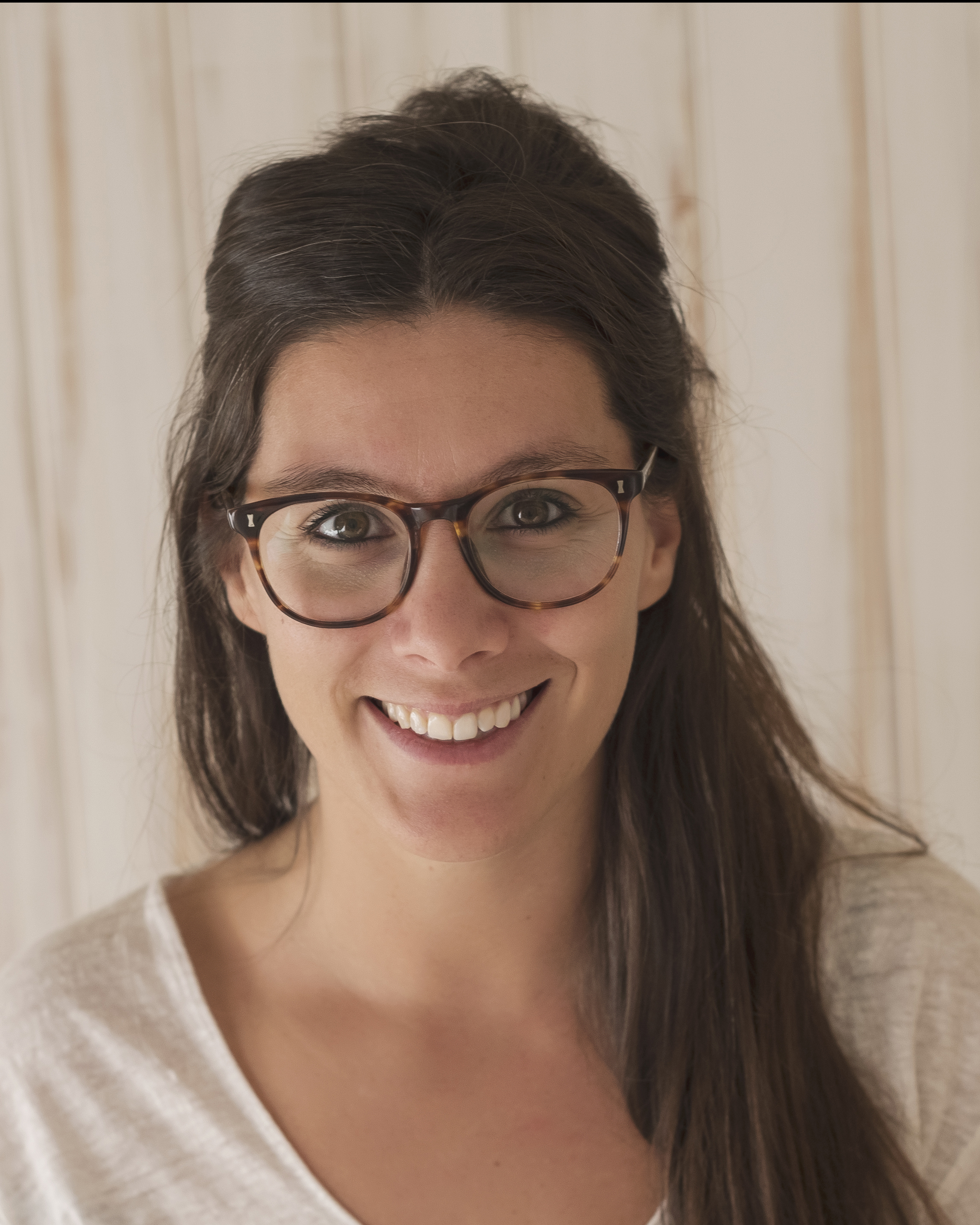
“One of the things that had the most impact was learning to work much more visually, using maps, frameworks and different forms of synthesis to make complexity easier to see, discuss and act on.”
Service Design MA Alumni
Since graduating, Ceci Santucho worked in consultancy and is now part of the transformation team at Imperial College London.
Before coming to the RCA she spent around ten years working in public-sector innovation in her home country, Argentina. Ceci came to the RCA looking for a creative space to push boundaries and strengthen her design approach within her practice.
How did studying Service Design MA at the RCA help you get where you are today?
My time on the Service Design MA helped me consolidate the way I bring together a human and systemic lens with a critical understanding of organisational and operational realities. This is crucial to shaping how we design responsible and feasible solutions that deliver genuine positive change.
Are there any particular experiences from your time studying Service Design that you use in your job day to day?
One of the things that had the most impact was learning to work much more visually, using maps, frameworks and different forms of synthesis to make complexity easier to see, discuss and act on. That has become a very practical part of my day-to-day work, particularly when it is needed to build a shared understanding of a challenge, align around a possible direction or communicate a case for change across settings.
The visual layer we developed through the programme has been particularly valuable, but it also comes with a responsibility: to make complexity accessible without oversimplifying it, and to ground that work in evidence and critical analysis. That balance is probably one of the most important things I continue to carry into my work.
Was there a particular brief or project that had a big impact on you?
There were many projects I took something valuable from. One was a project in Ahmedabad, where we explored how visitors engage with the city’s heritage. We travelled there as a small team and carried out the full discovery phase, engaging with multiple stakeholders, from national and international visitors to local members of the community, and civil servants, to develop a grounded understanding of the service within its wider social and institutional context.
This experience reinforced something I still strongly believe today: Service Design practice is not necessarily defined by the tools, methods, or scale of resources involved, but rather by the quality of the critical thinking, the relationships we build with people to deliver value, and the intentional planning that enables meaningful outcomes.
Have relationships with peers developed at the RCA continued to benefit you throughout your career?
Just as design does not happen in isolation, neither does the legacy of a place like the RCA. Since graduating, I have stayed connected not only with people from my own cohort, but also with alumni from other year groups. Those relationships have created ongoing opportunities to exchange perspectives, collaborate and continue learning together. I have also remained connected with tutors and members of the programme who had a positive impact on my own development. Now that tutoring is part of my practice, I carry some of those experiences with me.