Key details
Date
- 11 February 2026
Read time
- 5 minutes
Professor Emeritus Jeremy Myerson, former Director of HHCD, founder of Worktech Academy, author of Unworking: The Reinvention of the Modern Office, argues that how we will work is the most pressing question when looking at the future of business.
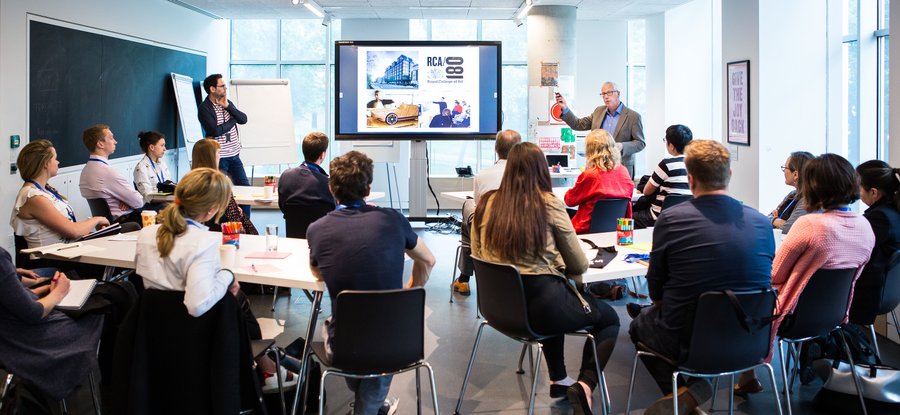
Nobody can be in any doubt that we are currently going through the biggest shake-up in working practices for 75 years. Disruptive technologies, new business structures and changing cultural attitudes are today transforming the global landscape of learning, work and skills at breakneck speed.
Amid much speculation as to where the future of work will lead us and what will equip us to thrive in it, the lion’s share of the debate is currently focused on where we work, whereas the deeper question to ask might be how we work.
We remain preoccupied with location. Is the office dead or should it be repurposed? How might the home be redesigned for a hybrid workstyle? What will our city centres look like in an age of distributed work? Can we condense our campuses amid a rise in remote learning? We can’t get enough of this stuff apparently.
But while where we work holds significance, it is also true, especially since the pandemic, that work is no longer a place but a process – a set of experiences rather than a physical environment. Maybe we should become preoccupied with a different set of questions. How we work plays to a different drum. What are the skills and capabilities required for the future workplace? How does learning and employability fit with new types of management and leadership? What will be the impact of digital technologies on workflow, innovation and collaboration?
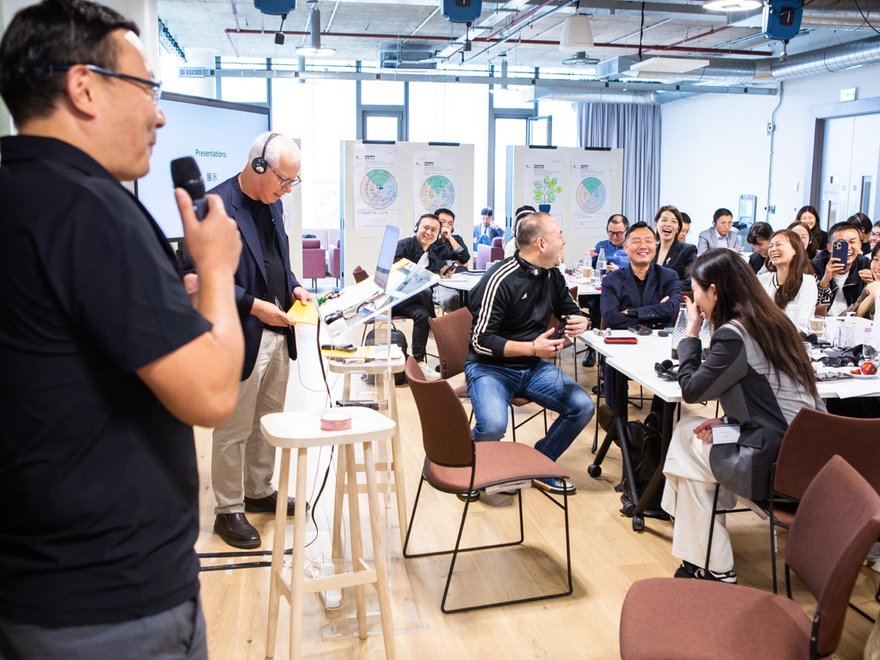
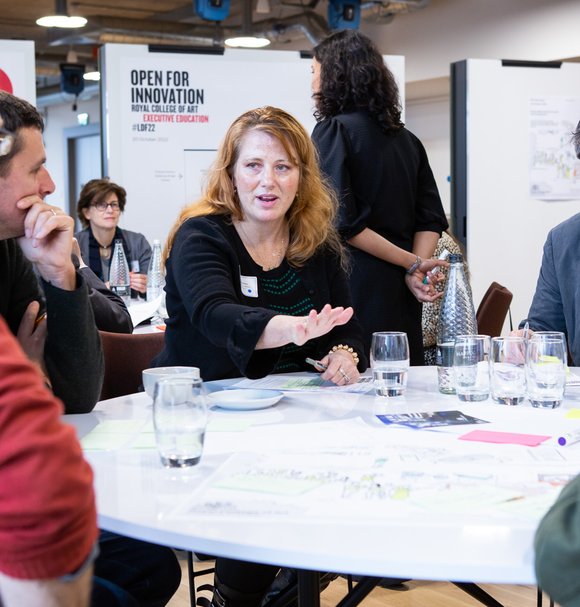
Presenting ideas, Custom Executive Education for the National University of Singapore
Skills needed for the future workforce
Answering these questions cuts more deeply to the heart of what tomorrow’s workforce will require to succeed, how educators and employers might adapt what they do, and where lifelong learning goes next. Once you’ve answered questions about work itself, perhaps the future shape of buildings, neighbourhoods and innovation districts – the place of work – might begin to take care of itself.
According to a recent report from McKinsey, the skills needed for the future workforce fall into four groups. The first group is cognitive and includes such things as critical thinking, communication, planning and prioritising, and mental flexibility. The second is interpersonal and covers such key areas as mobilising systems (for example, crafting a vision or role modelling), developing relationships and effective teamwork. The third is self-leadership and relates to self-awareness, self-management, entrepreneurship and achieving goals. McKinsey’s fourth set of skills is digital, which includes digital fluency and citizenship, software use and development, and understanding digital systems.
Within this umbrella framework of skills, the standout grouping is digital, and within digital the biggest disruptor is AI (Artificial Intelligence). Integrating AI into the workplace is set to disrupt the core skills of nearly half (44%) of workers by 2027, according to the World Economic Forum’s 2024 outlook report. This is a transformation that will require considerable upskilling to create an equitable future of work: 23% of jobs are expected to change in the next five years, with growing emphasis on transferable skills and on learning how to use AI and digital technologies.
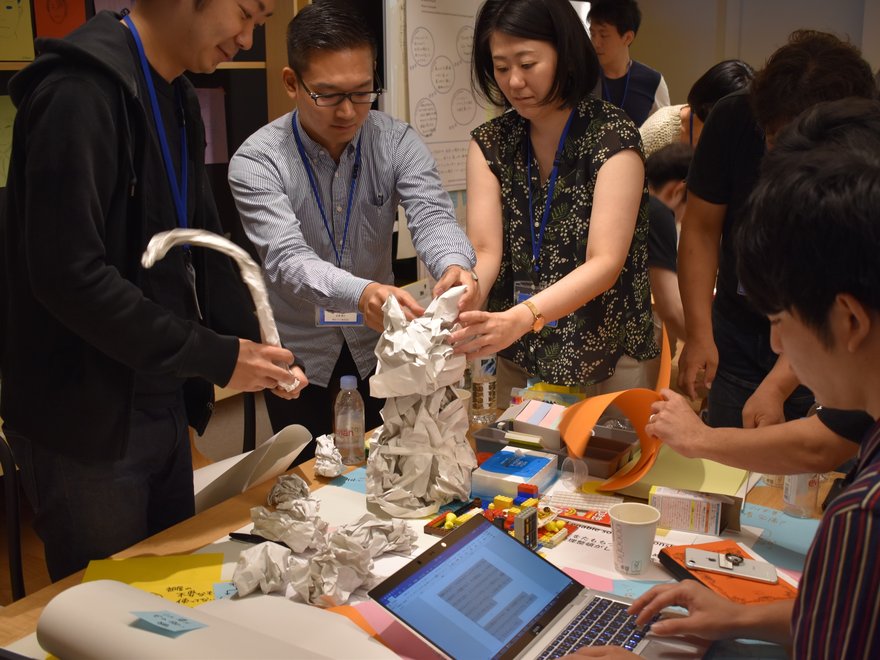
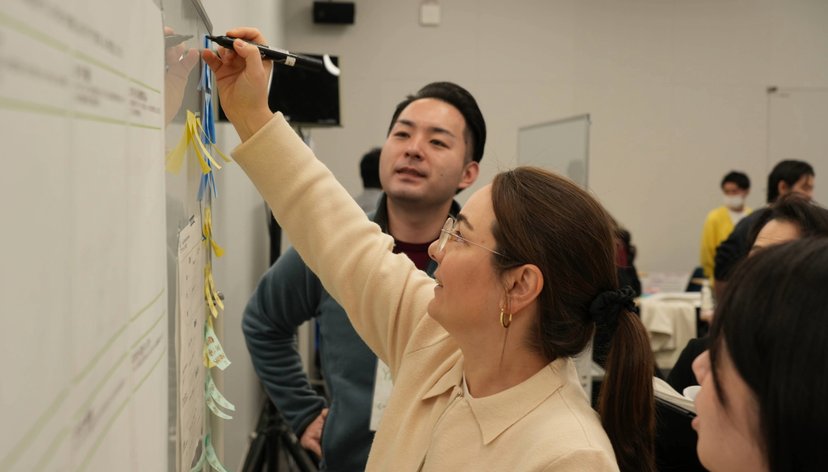
Design workshop, RCA Executive Education programme for Denstu in Tokyo, Japan
‘Social learning is the new superpower’
As AI becomes increasingly embedded into everyday workstreams, commentators predict there will be a shift from a knowledge-based economy to a skills-based one, in which organisations are required to prioritise training for specific roles and enhance data literacy across their teams. But that doesn’t necessarily mean that the future workforce should always be glued to a screen in a work-anywhere world. Face-to-face interaction and the chemistry of collaboration within the workplace will be important, which may explain the dynamic behind the current momentum to bring more people back to the office.
Boston Consulting Group says that ‘social learning is the new superpower’, highlighting the importance of collaborative learning environments. Getting people back in the room together will be a priority, but the big difference will be that employees will use new digital tools to interact and collaborate with a wider range of partners as part of an innovation ecosystem. Workforce leadership and development will also be refracted through a new set of lenses that might include empathy, sustainability, ethical boundaries, social value, system thinking and project-based learning.
If at least some of this sounds familiar, it is because art and design education has already piloted many facets of the future business skills agenda while ploughing its own independent path. A new report from the National Centre for Universities and Business (NCUB) on ‘Collaboration for Future Skills’ highlights the importance of coordinating collaboration at the scale required to meet the UK’s future skills challenge – two-thirds (66%) of large UK businesses are struggling to recruit employees with the skills they need, according to the Oxford College of Learning. Intense collaboration and dealing with complexity are just two of the things at which design educators and innovators excel, reflecting the themes of next-generation knowledge and skills in the NCUB report.
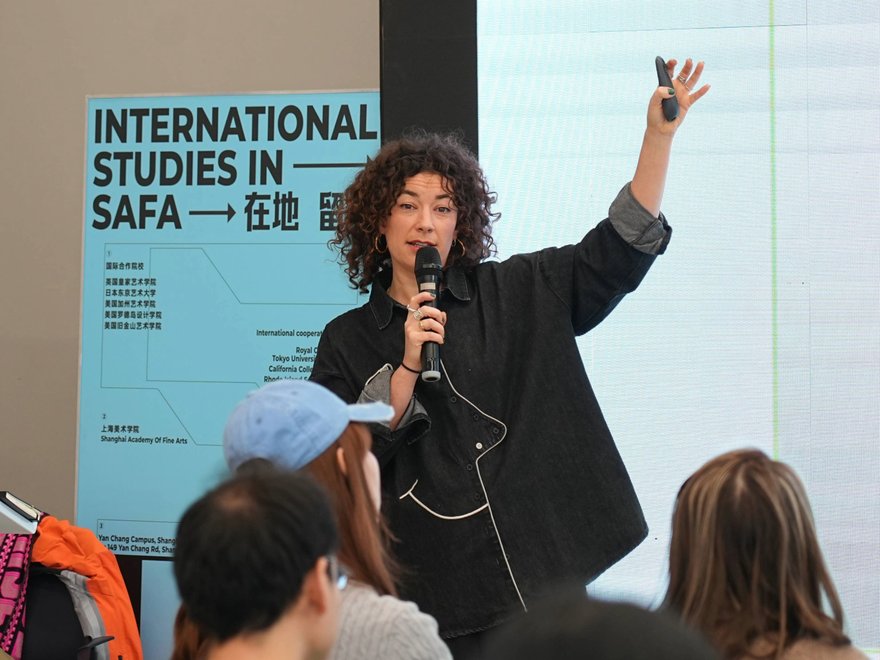
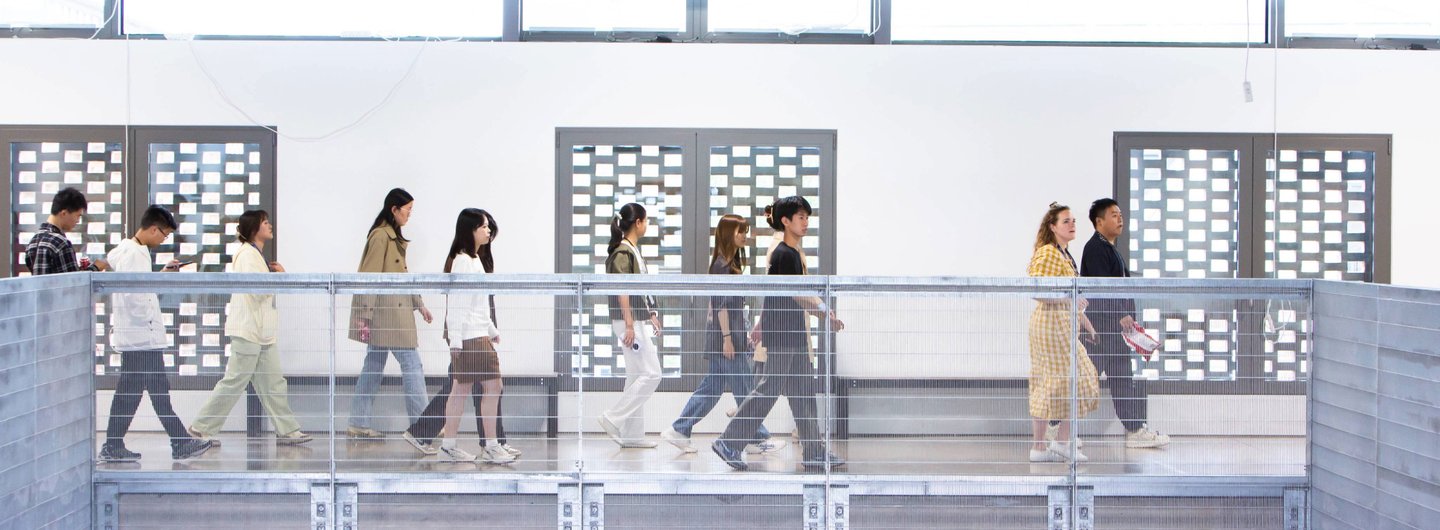
RCA custom short course for Shanghai Academy of Fine Art 2026
From system thinking to system shifting
My own experience over nine years of leading the Royal College of Art’s executive education masterclass on Design Thinking & Innovation for career professionals has taught me that the way designers are educated, and the way they think and act, can reframe business and social challenges in a new way. The ability to collaborate in a team, to learn from projects, to facilitate and synthesise different inputs, to empathise with users, and to visualise and prototype to explore meaningful solutions – these are all becoming part of the skill base of the wider workforce, especially as use of Gen AI tools like ChatGPT significantly increases creative capacity across most executive roles. Such skills are the hallmarks of creative education, which has a long track record in this respect, and can reach those parts that a typical business MBA might not.
Everywhere we look today there are signs of change. We are moving from system thinking to system shifting, according to a Design Council report. Open innovation is again super-charging corporate R&D after a hiatus during the pandemic. The climate emergency is leading large firms to take their ESG (Environmental Social and Governance) duties more seriously than ever before. And research suggests that three-quarters of employees believe that a company would be more appealing if it offered additional skills training to its staff.
As the skills-based economy looms into view, educators, innovators, creatives and business leaders are all headed into new territory. The future of work will require the design of new places and spaces, and a re-evaluation of existing ones. But it is how we work, not where we work, that will ultimately drive the transformational change we know is coming.