Key details
Date
- 11 February 2026
Author
- Seb Murray
Read time
- 7 minutes
Seb Murray, a journalist and consulting editor who writes for The Financial Times, The Times, The Guardian and The Economist, explores how arts and creativity can be used for a future-ready workforce.
Key details
Date
- 11 February 2026
Author
- Seb Murray
Read time
- 7 minutes
As traditional job roles evolve or become obsolete, there is an urgent need for professionals to embrace lifelong learning and acquire new skills that align with the demands of the modern workforce. The World Economic Forum’s (WEF) Future of Jobs Report 2023 underscores this necessity, highlighting essential skills – such as creative thinking, empathy, systems thinking and service orientation.
These skills are crucial for navigating the complexities of the contemporary job market and are central to art and design education — a domain traditionally distinct from the classic MBA curriculum offered by conventional business schools.
“We are in the midst of the Fourth Industrial Revolution, characterised by rapid changes that are transforming businesses and job descriptions across all sectors,” says Sir Peter Bazalgette, Pro-Chancellor & Chair of Council at the Royal College of Art.
“While science, technology, engineering and maths (STEM) are crucial, integrating arts into STEM – to make the acronym STEAM – fosters the creative problem-solving abilities that are essential for a well-rounded skill set in the future.”
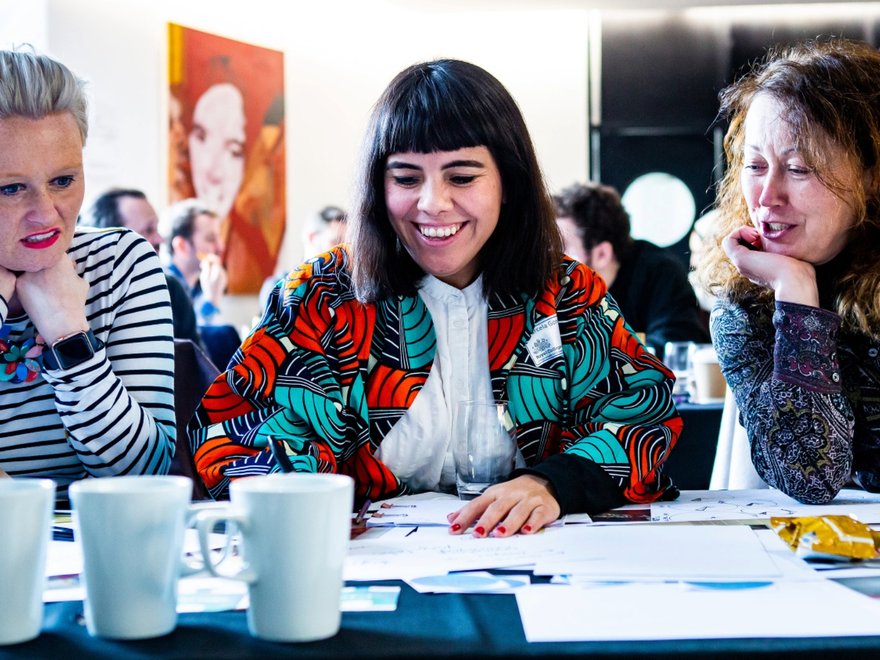
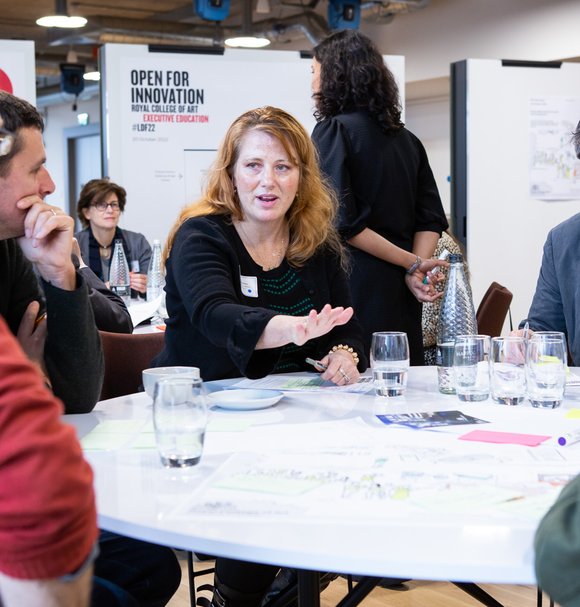
Creative Leadership, RCA Executive Masterclass
“We focus on design because it uniquely positions us to put user needs at the core, leveraging empathy to understand and address real challenges.”
Trustee and co-founder of Design for Good
The future of work: technological and societal shifts
The WEF Future of Jobs Report paints a vivid picture of a rapidly evolving job market. It predicts that nearly half of all employees will need reskilling by 2025, as the adoption of technology transforms tasks, jobs and skills.
The advent of AI and automation is not only changing how we work but also what work means. Jobs that require routine manual and cognitive skills are declining, while demand for roles that leverage technology, human interaction and specialised expertise is on the rise.
Globalisation further amplifies these changes, creating a more interconnected and competitive global economy. Workers must now compete on a global scale, necessitating a skill set that includes cross-cultural communication, adaptability and the ability to navigate complex global systems.
Moreover, societal and environmental challenges, such as climate change and social inequality, are reshaping priorities in the workplace. Companies are increasingly held accountable for their environmental impact and social responsibility, requiring employees to possess skills in sustainability, ethical decision-making and social innovation.
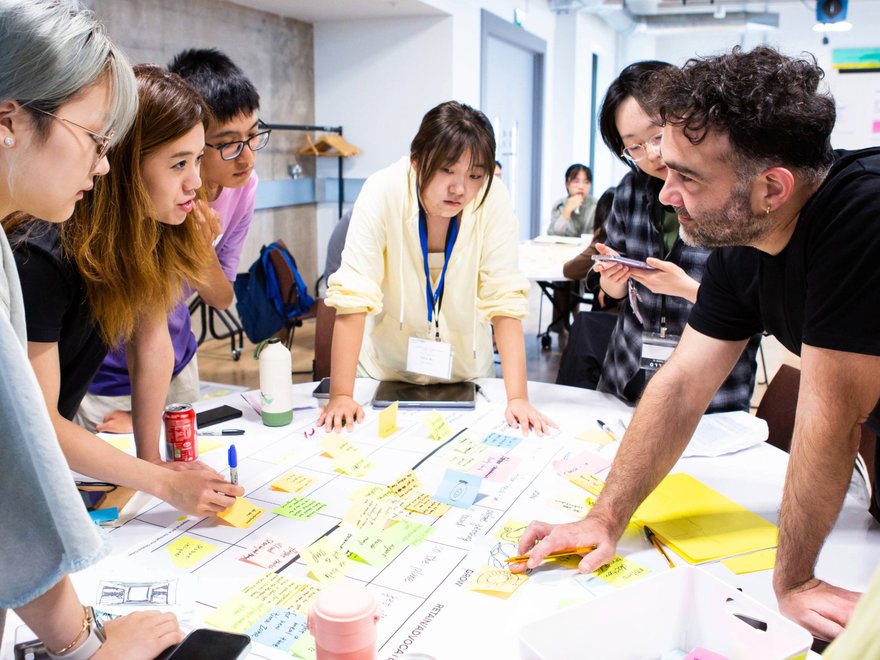
Imperial x RCA Global Design Summer School, RCA Executive Education
And design can be a key catalyst for addressing the United Nations’ Sustainable Development Goals (SDGs), which are a blueprint for global prosperity. For example: Design for Good is an organisation that unites designers worldwide with the shared goal of improving life through design. These designers collaborate with impacted communities to develop open-source products and services.
“We focus on design because it uniquely positions us to put user needs at the core, leveraging empathy to understand and address real challenges,” explains Sean Carney, trustee and co-founder of Design for Good. “Designers are skilled in creating tangible, workable solutions quickly, emphasising action over discussion or documentation.”
For instance, Carney – a former chief design officer at the Dutch conglomerate Phillips – highlights projects such as addressing water pollution in Bangladesh caused by the erosion of mangrove swamps by replanting mangroves and building flood defences. This underlines how design can be a tool for social good.
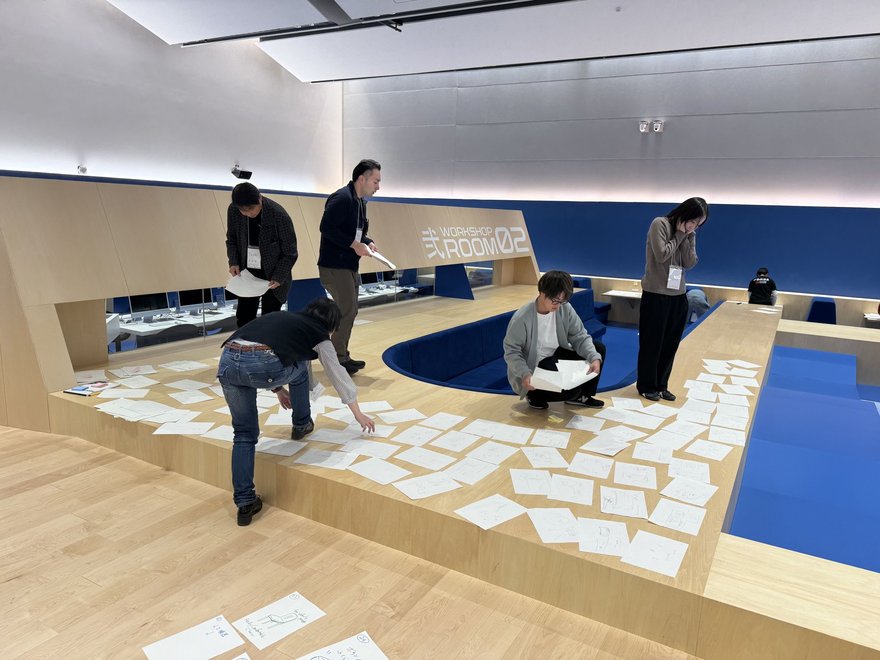
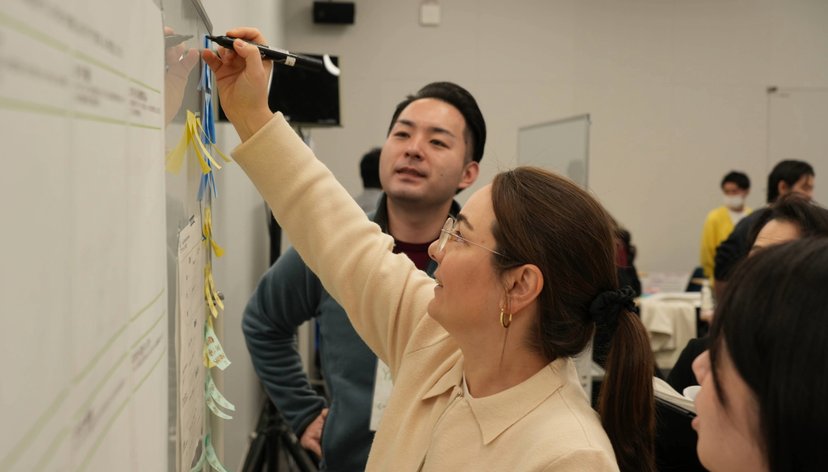
RCA Design Thinking for Future Innovation Workshop, Gunma Prefecture, Japan
Lifelong learning: a necessity for the modern workforce
In this context, lifelong learning to acquire the skills that underpin design is not just a concept, but a critical necessity. Continuous education enables professionals to stay relevant, adapt to new technologies and meet emerging challenges head-on.
The WEF report highlights the importance of lifelong learning opportunities to develop essential skills, stressing that education should not end with formal schooling but continue throughout an individual’s career.
Creative thinking, empathy, systems thinking and service orientation. are identified as key skills for the future. These competencies are essential for problem-solving, driving innovation and creating value in a rapidly changing world. They enable professionals to think beyond traditional boundaries, understand complex systems, and develop solutions that are both innovative and empathetic to human needs.
Art and design education: a model for lifelong learning
In contrast to the classic MBA curriculum, which often focuses on traditional business disciplines such as finance, marketing and operations, art and design education inherently fosters the skills identified by the WEF.
Creativity, critical thinking and innovation are at the core of art and design programs – whose students are encouraged to think outside the box, challenge conventions and approach problems from multiple perspectives.
Moreover, many innovation methodologies, such as design thinking, have been successfully integrated into business schools; in fact, the RCA works with some of them. This underscores the relevance of art and design principles in the business context.
For example: design thinking stresses empathy, ideation, prototyping and testing — processes that are integral to developing user-centred solutions and driving innovation in any industry.
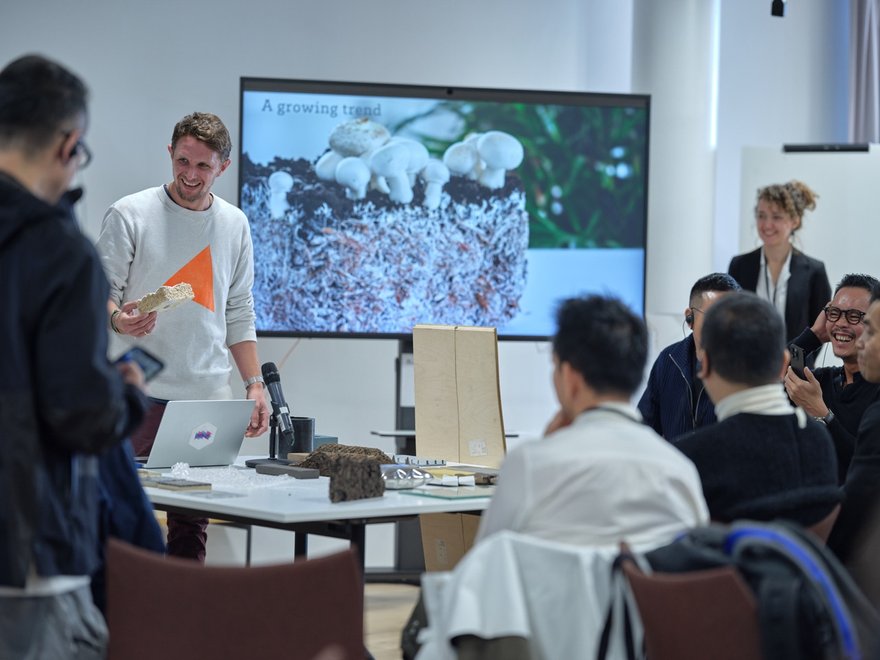
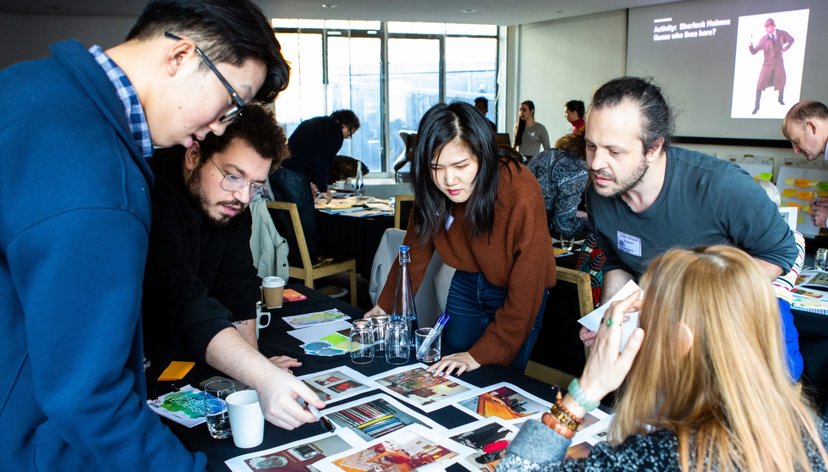
Interior Design programme for professionals, new materials workshop, RCA Executive Education,
The Royal College of Art: embracing practical learning
The Royal College of Art (RCA) exemplifies how art and design education can equip individuals with the skills necessary for the future of work.
The RCA employs a practical, action-learning approach that involves group work and tangible challenges. This hands-on methodology allows students to apply theoretical knowledge to real-world problems, fostering a deeper understanding of complex issues and developing practical solutions.
Through collaborative projects, students at the RCA learn to work effectively in teams, communicate across disciplines, and leverage diverse perspectives to drive innovation. This experiential learning model not only enhances technical skills but also cultivates essential soft skills – such as empathy, adaptability and resilience.
It will come as no surprise, then, that RCA graduates lead and influence many of the world’s global businesses, including Apple, Bentley, Burberry, IDEO, Jaguar Land Rover, Kia Motors, Porsche and Samsung.
“Creativity needs to be part of all critical processes and all decision-making roles in a company, including: designing the vision, mission, north star, problem statements, prioritisation and targets.”
Transformation director at LEGO Group in London
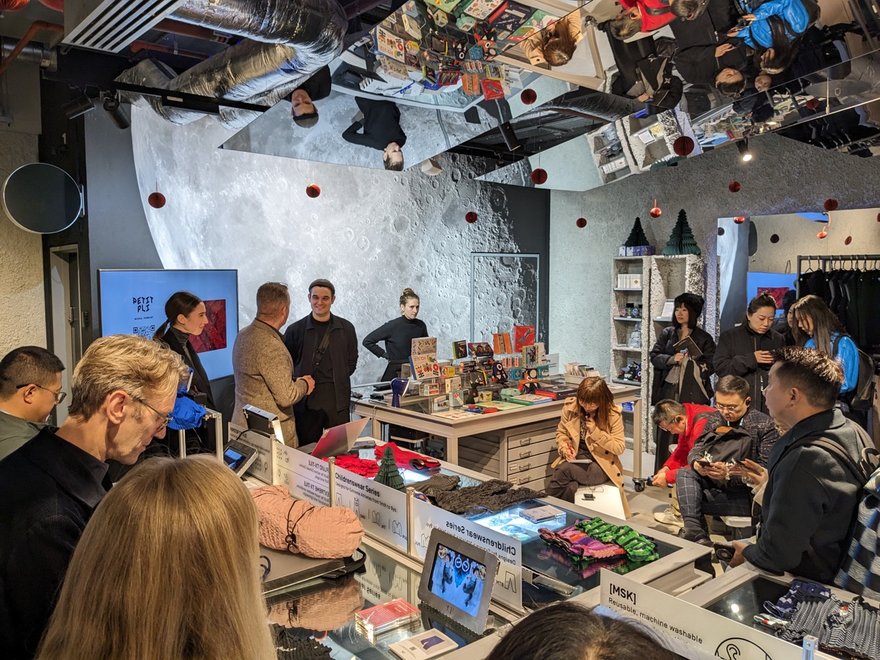
Fudan EMBA International Study Programme, visiting London businesses, RCA Executive Education
Successful examples and policy implications
Numerous successful examples highlight the impact of incorporating art and design principles into business and lifelong learning initiatives. Companies like IDEO and Apple have long recognized the value of design thinking in driving innovation and creating user-centric products.
These organisations have demonstrated that integrating creativity and empathy into business processes can lead to groundbreaking solutions and a sustained competitive advantage to boot.
Laura Rosich, for one, is transformation director at LEGO Group in London. Highlighting the importance of creative skills to the success of the world’s largest toymaker, she says: “Creativity needs to be part of all critical processes and all decision-making roles in a company, including: designing the vision, mission, north star, problem statements, prioritisation and targets.”
She adds that creativity extends beyond traditional artistic endeavours to include skills like innovation and critical thinking.
Rosich says that such skills help companies like LEGO to challenge the status quo by bringing the customer at the centre of business strategy, design and delivery, introducing empathy in user-facing and back-end processes. The result, she says: better user satisfaction, innovation at scale, more efficient processes and improved business performance.

International Programme, Shanghai Academy of Fine Arts, RCA Executive Education
Policy documents and reports also emphasise the importance of fostering creativity and lifelong learning. The European Commission’s new European Skills Agenda, for instance, advocates for equipping individuals with the skills needed to thrive in a digital and green economy. It highlights the role of creativity, critical thinking and problem-solving as essential competencies for the future workforce.
Interviews with industry leaders further underscore the need for a shift in education and training paradigms. Executives from leading companies consistently underline the importance of hiring individuals who can think creatively, adapt to change and drive innovation.
For example: Ben Sheppard, chair and co-founder of Design for Good, who previously led McKinsey Design in Europe, the Middle East and Africa (EMEA), advising clients on creating bold new products and services.
He says: “Creative skills make up an integral part of a successful company, in the same way a cellist or a violinist is integral to an orchestra. The research backs this: a study of 300 businesses by McKinsey & Company showed that organisations that consistently get design and creativity right grow revenues at almost twice the rate of their industry peers.”
Sheppard, who led McKinsey’s global research on design, adds: “In particular, the act of growing a new business or brand is an act of creativity. Someone has to be bold enough to not only notice an unmet need, but take the risk of creating a new product or service, where none stood before.”
These insights reinforce the relevance of art and design education in preparing individuals for the future of work.
Conclusion: the way forward
As the world of work continues to evolve, the importance of lifelong learning and creativity in business cannot be overstated. The skills identified by the WEF — creative thinking, empathy, systems thinking and service orientation — are essential for navigating the complexities of the modern job market. Art and design education, with its emphasis on creativity and practical action learning, provides a solid model for developing these competencies.