The Art of A(r)mour: Playful Strategies of Resistance, Costumes of Care and Absurd Decorum for the Autoimmune Body
Stories of autoimmunity and chronic illness more broadly have often been medicalised, misunderstood, or most importantly, ignored, particularly in the context of women’s health, where symptoms have historically been dismissed as psychosomatic. Building on recent illness memoirs by artists and writers who have sought to address this problem, this practice-led research draws from personal experience of autoimmune disease and artistic expressions of illness to ask: How does one get ready for a day in the life of a chronically ill body?
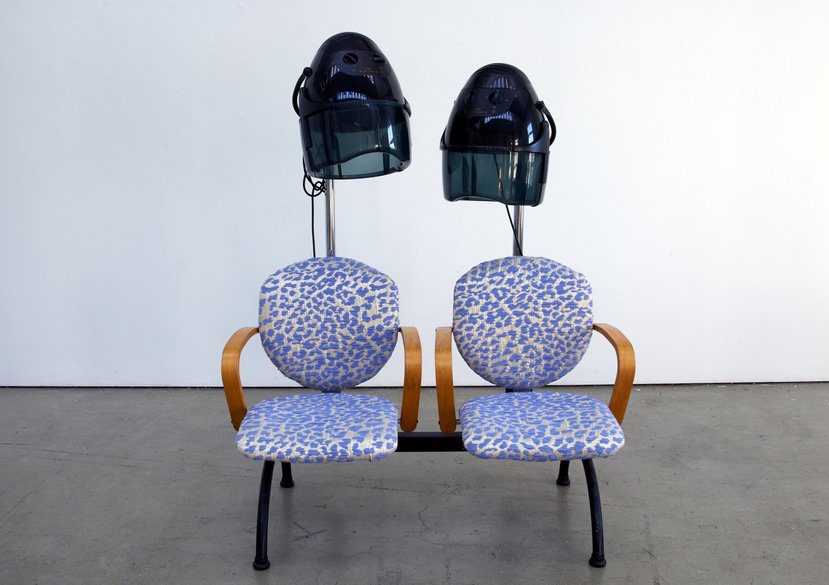
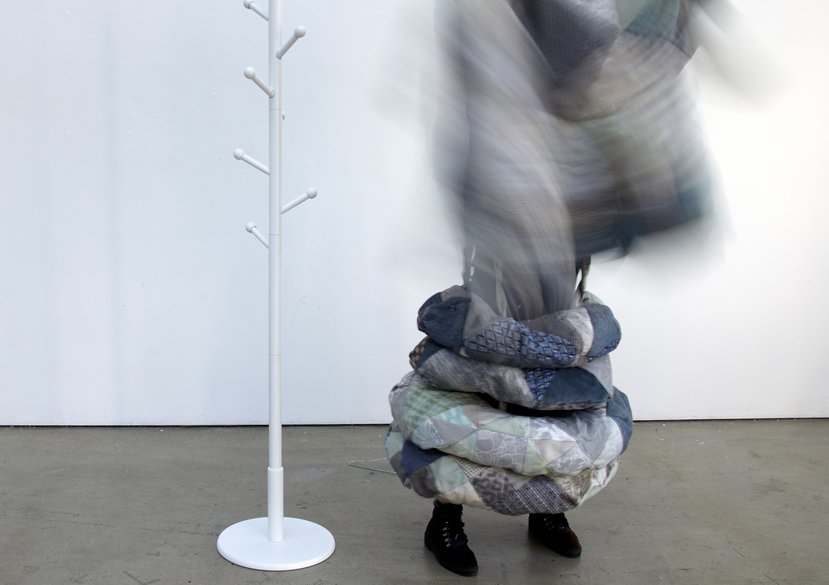
Drawing on depictions of the ailing body in Samuel Beckett’s theatre, this research engages with the under-studied archive of stage designer Jocelyn Herbert, in dialogue with the work of actors Billie Whitelaw and Jess Thom, artist Sarah Lucas and writer Hélène Cixous. Taking Herbert’s archive as a case study in care and constraint, the research uses mixed methods—making sculptures, costumes for performance and drawings; creative autopathographical writing; and critical literary analysis—to propose an approach to archival research led by affinity and attunement, grounded in the researcher’s own illness archive. Animating archival anecdotes and sketches in this way provides new insights into Herbert’s contributions to understandings of Beckett’s plays through the lens of care, constraint and chronic illness. The practice-led methodology developed through this research aims to contribute not only to theoretical discourse on chronic illness and disability, but also to how theatre designers practise inclusion and care when working with actors and, by extension, audiences.
Beyond the researcher’s own experience of autoimmunity and the selected case studies above, the research has wider implications for how one might think and talk about chronic illness, offering new methodological approaches to storytelling besides more common text-based methods of sharing illness narratives. Embodied articulations of autoimmune experience propose ways of sharing where written or spoken language might fall short, particularly in relation to the medical encounter and the telling of stories beyond the suffering self. A playful, practice-led approach to research allows for a move from pain to play when broaching the problem of how to share difficult bodily realities. The research contributes to the growing field of the visual medical humanities through a critical and performative visual arts practice, fostering empathetic modes of storytelling and exchange wherein women’s bodily experiences are listened to and taken seriously—not only as patients but as people with stories to tell.