Doctoral Training Programme
Jump to
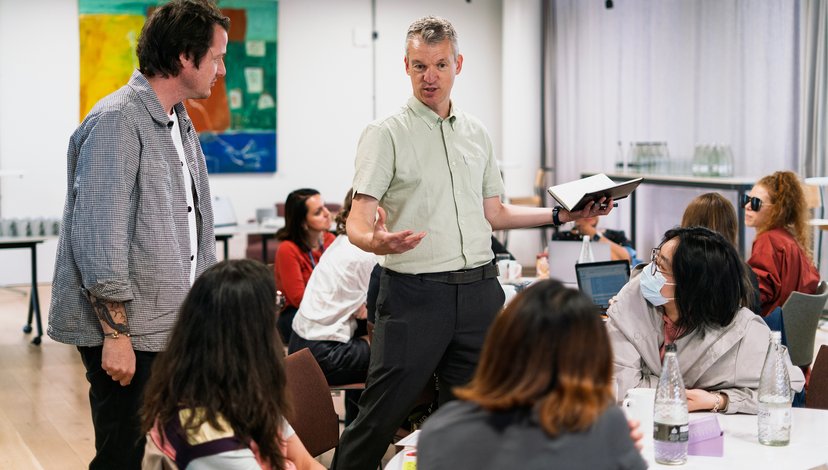
The Doctoral Training Programme (DTP) is a key component of your PhD development. It is arranged in intensive weeks which take place once per term and are designed to support your growth as a researcher, enhance your academic and professional skills and connect you with a broader interdisciplinary research community.
Our doctoral training programmes are designed to be creative, inclusive, engaging and genuinely friendly, supporting researchers across disciplines to thrive together.
At the Royal College of Art, doctoral training is designed to cultivate independent, critical, and creative researchers equipped to address the challenges of a rapidly evolving global landscape. Our training programme fosters a culture of inquiry that bridges disciplines, encourages experimentation, and positions research as a catalyst for meaningful change.
We support candidates in developing not only rigorous research outputs but also the intellectual confidence and ethical awareness required to lead in academia, industry, and beyond.
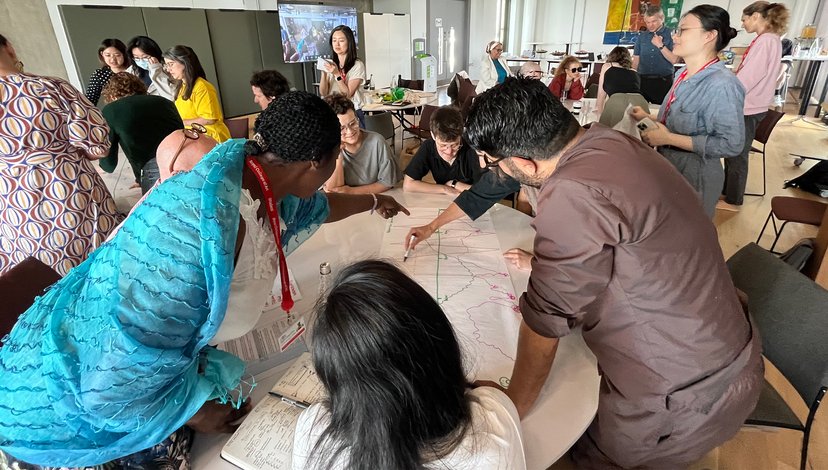
The programme offers a mix of practical workshops, research methods training and cohort development activities. Each School/Centre also offers a programme of lectures, seminars, workshops and group tutorials aimed at supporting discipline-specific aspects of the research.
Core principles
Doctoral training at RCA is built on three core principles:
1. Creating a student-centred Doctoral Training Programme
We recognise diverse methodologies, including practice-based and interdisciplinary approaches, enabling candidates to generate new knowledge through making, designing, and critical reflection. We use Individual Development Needs Analysis (IDNA) for doctoral candidates to identify their training.
2. A supportive and inclusive research culture
We are committed to fostering a collaborative environment where researchers are supported through peer exchange, and access to world-class facilities.
3. Responsibility, integrity, and impact
We emphasise ethical research practices, integrity, and societal engagement, ensuring that doctoral work contributes responsibly to cultural, technological, and environmental futures.
Researcher Development Framework (RDF)
Our College supports Vitae Concordat, which includes the Researcher Development Framework (RDF) as a structured model to support PhD students in identifying and prioritising their training needs. The RCA’s membership at Vitae allows us to be part of a collaborative and innovative network committed to developing researchers to their full potential. The RCA is also a signatory to the Vitae Researcher Development Concordat.
The RDF provides a comprehensive map of the knowledge, behaviours, and attributes expected of effective researchers, enabling doctoral candidates to reflect critically on their current capabilities and identify gaps across key domains such as knowledge and intellectual abilities, personal effectiveness, research governance, and engagement. Through regular Individual Development Needs Analysis (IDNA), supervisory discussions, and development planning, students use the framework to set targeted, realistic training goals that align both with their immediate research projects and their longer-term career aspirations. This approach ensures that development is intentional rather than ad hoc, helping students build a balanced and transferable skill set alongside disciplinary expertise.
Vitae Concordat
As a College we are committed to working towards the Vitae Concordat, which includes the Researcher Development Framework (RDF). This was developed by and for researchers and since June 2025 is structured into three domains, as shown in the diagram below. The RCA’s membership at Vitae allows us to be part of a collaborative and innovative network committed to developing researchers to their full potential. The RCA is also a signatory to the Vitae Researcher Development Concordat. Staff and research students can register using their RCA email address to gain full access to membership resources.
Vitae RDF 2025 is designed for:
- researchers to take control of their own professional and career development
- managers and supervisors of researchers in their role supporting the development of researchers
- researcher developers, human resources specialists and career advisors in the planning and provision of support for researchers' development.
Each area of the RDF forms a key component of a research career and we would anticipate that candidates would develop their skills and knowledge in each of these throughout the course of a PhD at the RCA and then continue this development as they move into post-doctoral careers.
The RCA is also a signatory to the Vitae Researcher Development Concordat.
Your doctoral journey
The Doctoral Training Programme provides training and development in 9 key areas to support you through your doctoral journey and as a research professional.
Key areas of focus:
1. Doctoral essentials
Including sessions on:
- Access resources on navigating university systems, from funding options to administrative processes.
- Review, academic writing, referencing and reference management
- Preparing for the Annual Progress Review, Confirmation Exam and the Viva
2. Academic writing skills
Including sessions on:
- Writing a literature review
- The voice of the writing
- How to write effective abstracts
3. Ethics and integrity
Including sessions on:
- The core ethical principles and the role of ethics in academic research, using case studies that address current challenges, such as working with participants who have protected characteristics, privacy concerns, and emerging technologies like AI
- Guidance on the ethics application process with advice on completing it effectively
4. Research methods and methodology
Including sessions on:
- Qualitative data analysis (including NVivo)
- Quantitative data analysis
- Creative research methodologies (focused on art/design-based and practice-based research)
5. Presentation skills
Including sessions on:
- Exploring skills for effective public engagement and communicating your research to non-specialist audiences.
- Workshops to enable you to communicate with increased clarity, confidence and creativity.
- Articulating Practice-based and Practice-led research
6. Publishing and shaping research impact
Including sessions on:
- Introducing the publishing procedures so that you can better understand what is required from the editor perspective
- Writing for practice-based research
- Introducing the key concepts and approaches to impact, helping you to develop ideas for pathways to impact that build upon your doctoral research and practice.
7. Career development
Including sessions on:
- Guidance for developing and presenting your portfolio
- Insights into career profiles and pathways
- Networking, job searching, and using AI in your applications
8. Visiting external speakers
Our doctoral researchers also take an active role in providing suggestions for guest speakers enabling us to offer a dynamic and compelling doctoral training programme each term to meet your needs.
9. Thriving as a researcher
Including sessions on:
- Anxiety-free strategies for academic writing and research.
- Writing retreats.
- Stress-reduction techniques in research.
Equality, Diversity and Inclusion training
For students and supervisors
To equip researchers with the skills to foster inclusive research environments, mitigate bias, and integrate diverse perspectives into their work.
Including sessions on:
- Recognising professional boundaries and sexual harassment.
- Allyship development (managing disclosure and epistemic safety, as well as practical interventions and support for students and academics who experience systemic harm).
- Online safety for PGRs and identifying where institutions’ can support academic staff and PGR students.
- Preventing harassment and sexual misconduct - learn how to prevent, identify, and respond to harassment, misconduct, and sexual violence.
Subject specific training
Each School and Research Centre organises doctoral training specific to your subject area. These sessions take place on the Tuesday of each DTP week, as well as throughout the academic year in the form of seminars, workshops and reading groups.
Doctoral Research Fridays
Our newly introduced Doctoral Research Fridays take place once a month online. They are a relaxed and supportive space where all researchers come together to share ideas, discuss projects, explore research journeys and engage with the research community. Whether you’re presenting, listening, or simply curious, all are welcome.
Research events and festivals
The Research Office organises regular research events and festivals. In April 2025 we hosted the UK Council for Graduate Education (UKCGE) 9th international conference on professional and practice-based doctorates with speakers from across Europe.
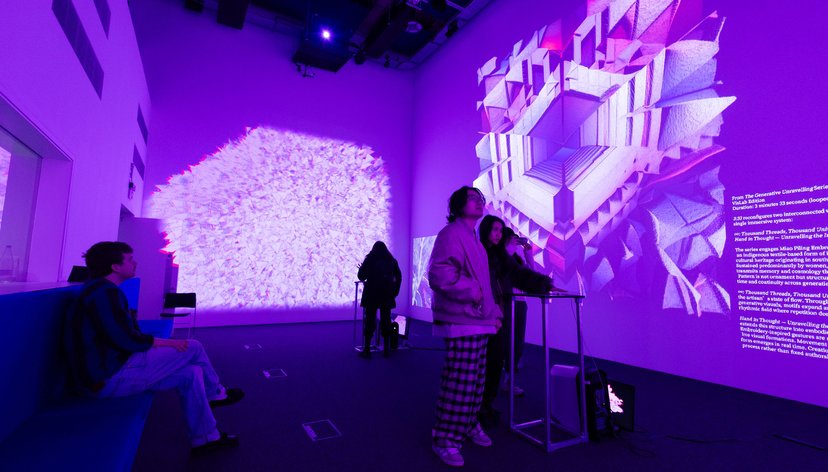
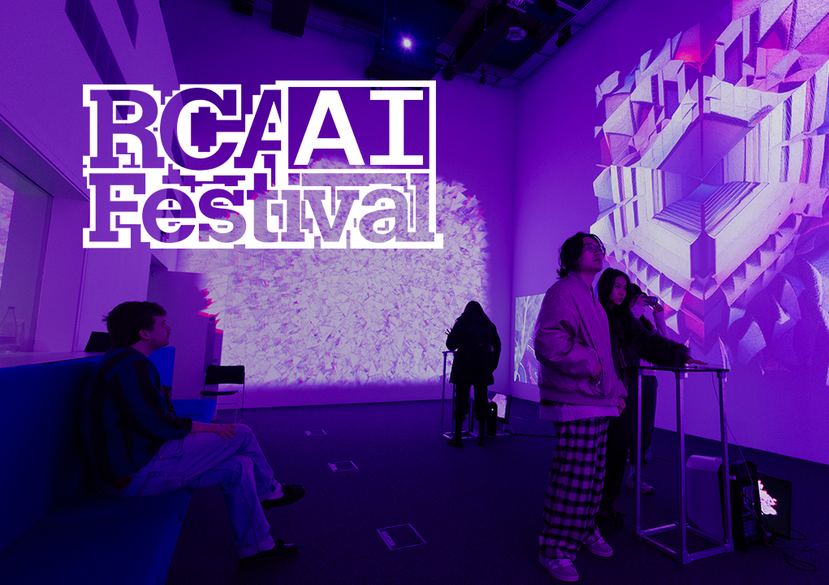
This year in February 2026 the Research, Knowledge Exchange and Innovation department hosted the RCA AI Festival which brought together world-leading researchers, artists, designers, technologists, and communities to explore how AI is reshaping creativity, society and the human experience. The RCA's first ever AI Festival 26, titled ‘Where Intelligence Meets Imagination’ and sponsored by the Engineering and Physical Sciences Research Council (EPSRC), convened a dynamic week of interdisciplinary engagement across multiple spaces on the Battersea campus.
Research Biennale
Our Research Biennale, held every alternate February, offers a showcase of research to internal and external partners as well as the wider public.
The Biennale includes space for testing and experimenting with public-facing aspects of research, as well as extending and challenging frameworks and perceptions of what art and design research can be.
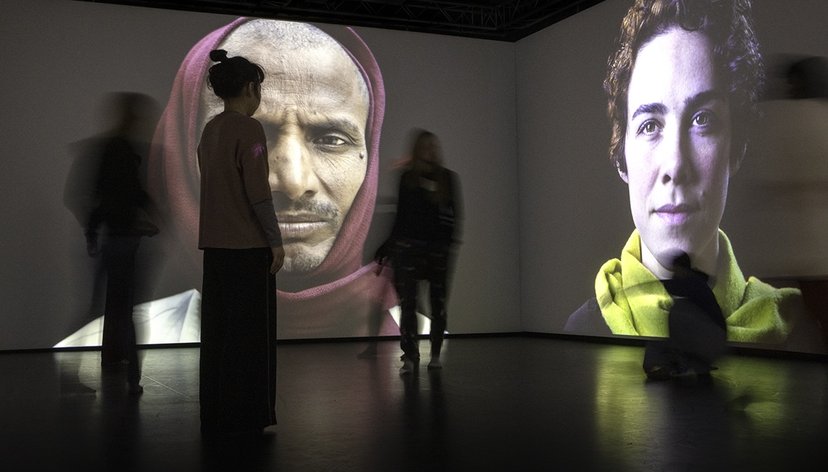
The RCA Research Biennale 2025 showcased the PhD research of the Royal College of Art through a six-day exhibition and three-day symposium.
Researchers Development: Training for Doctoral Research Supervisors

The RCA is strongly committed to the ongoing development of its research supervisors, recognising that high-quality supervision is central to the success and wellbeing of postgraduate researchers. Supervisors are supported through a structured programme of training and continuous professional development, which includes mandatory supervision training for new supervisors, regular update workshops on effective supervision practices, and guidance on areas such as research integrity, inclusive supervision, and student support.
The college also encourages reflective practice and peer learning, creating opportunities for supervisors to share experiences and develop their skills in a collaborative environment. This ensures that supervisors are well equipped to provide consistent, informed, and supportive guidance throughout the doctoral journey.
Supervisor training
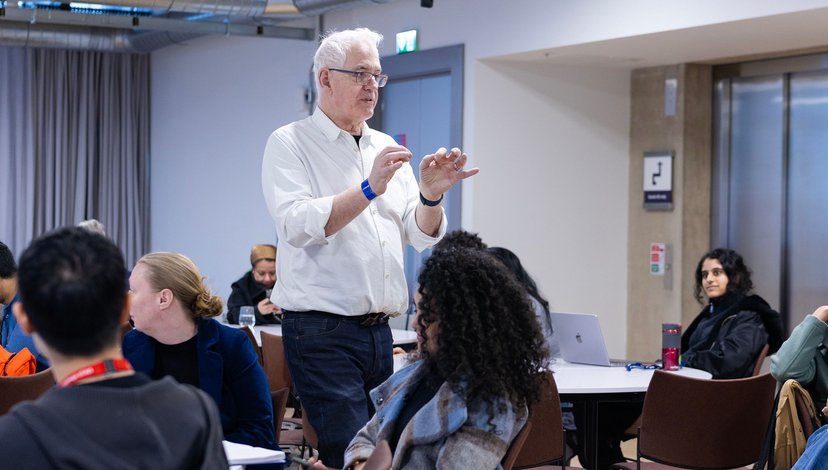
All Doctoral Supervisors are advised to attend Supervisor Training to ensure you are up to date with recent policies and processes. Training will cover topics such as the role of the Supervisor, student/supervisor expectations, research ethics and student feedback. The training is running once a term.
The art of fruitful supervision with Stephen Boyd Davis
Creating space for research to unfold with Teal Triggs
Chair training
Chair Training is available to all PGR Supervisors to attend. This is an opportunity to learn the roles, responsibilities, policies and procedures involved in chairing doctoral examinations. Once completed, you will be eligible to chair PhD & MPhil Viva's at the RCA. The training is running once a term.
Examiner training
Our new Examiner Training programme is designed to support all staff involved in doctoral examinations. Completion of this training is now required for all first-time internal examiners and strongly encouraged for experienced staff seeking a refresher.