Key details
Date
- 25 March 2026
Author
- Tracey Waller
Read time
- 11 minutes
In the first in a new series, Visual Communication MA Head of Programme, Tracey Waller, interviews alumna from the course who are making waves in the field.
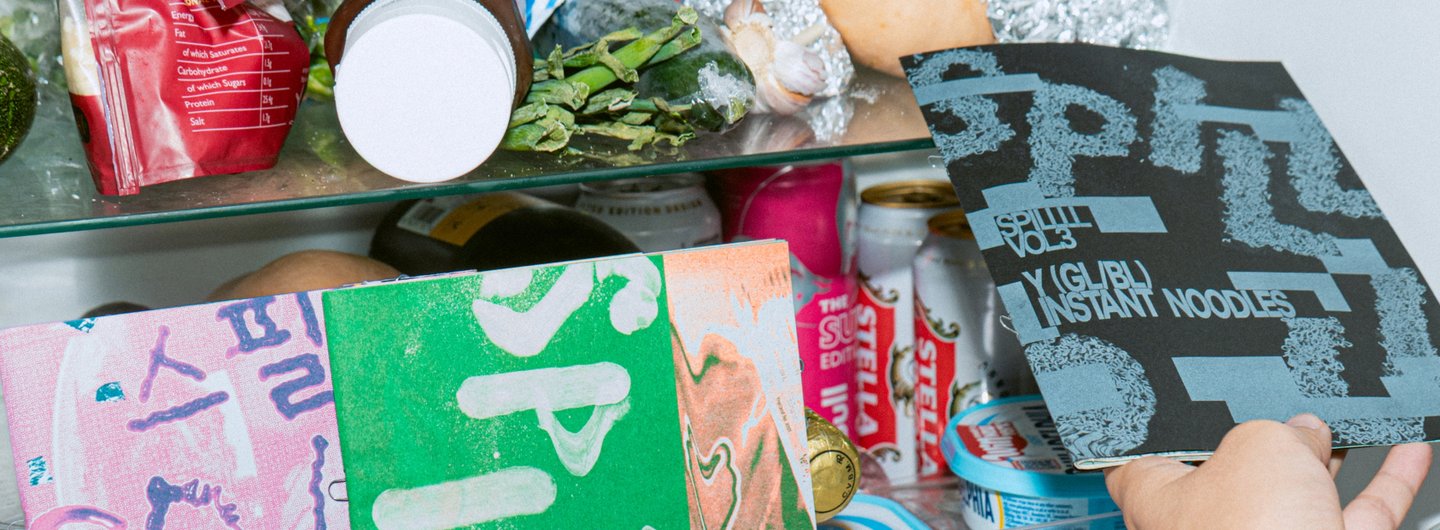
SPILLLL is a collective of four ESEA (East and South-East Asian) queer women creatives serving salads of feminism, queerness, food politics, and marginalised narratives to the table. Working across visual communication, zines and participatory events the collective uses food as a critical and relational device through which issues of identity, borders and cultural heritage are explored.
The collective comprises Nandal Seo, Panita Siriwongwan-ngarm, and Mika Tohmon, who met while studying on the Visual Communication MA programme in 2024, and Hyeda Park, an illustrator and original founding member.
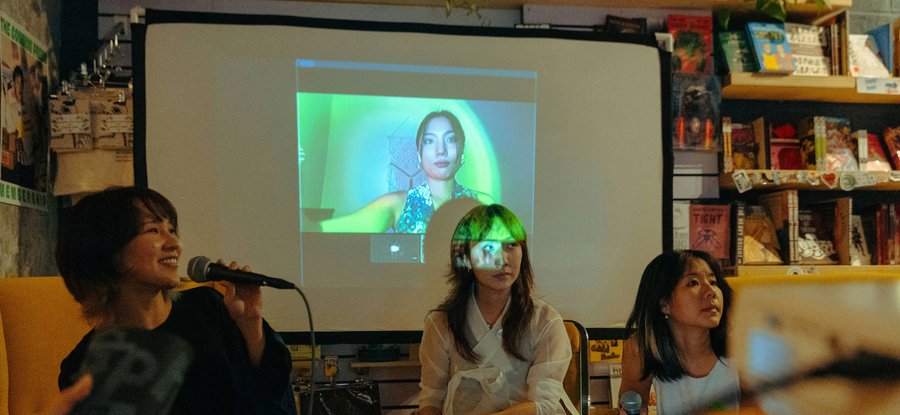
Tracey Waller, Head of Visual Communication, interviewed the collective at the Feminist Library in Peckham, reflecting together on how dialogic and conversational practice shapes their work. The conversation traced the conditions that brought the collective together, the urgency of their formation and the role of shared geography in shaping their work.
Forming fluid solidarities—intertwining marginalised communities
Tracey: How did SPILLLL come together?
Hyeda: When I first came to London, I was excited to find a community here because being lesbian in Korea was not easy. But I realised I could not just insert myself into the queer community, nor the Korean community here—there was no space to feel comfortable being ESEA [East and Southeast Asian], female, and queer at the same time. When we found each other, I finally felt comfortable. I want to help people find this community, to help the ESEA queer feminist community grow.
Nandal: As immigrants, we often feel like islands, floating apart with no roots. But slowly, we feel a tingling magnetism starting to flow between smaller blobs of our identities, like Asianness, queerness, or even just being a foodie. We want this loose magnetism to flow, freeing us from categories that sometimes close us off to others.
Mika: We are in the borders, edges, margins, overlaps— the ‘inter’ spaces of these communities that overlap each other. As migrants, we are able to accept temporality and marginal spaces, and we want to invite others to this ambiguous space.
Nandal: We could be here for the people who left where they were for a reason, but are still floating alone. We're not a place to completely root down, not their home island, but a resting place in between.
Mika: And I think that resonates with why we chose the dining table as our space.
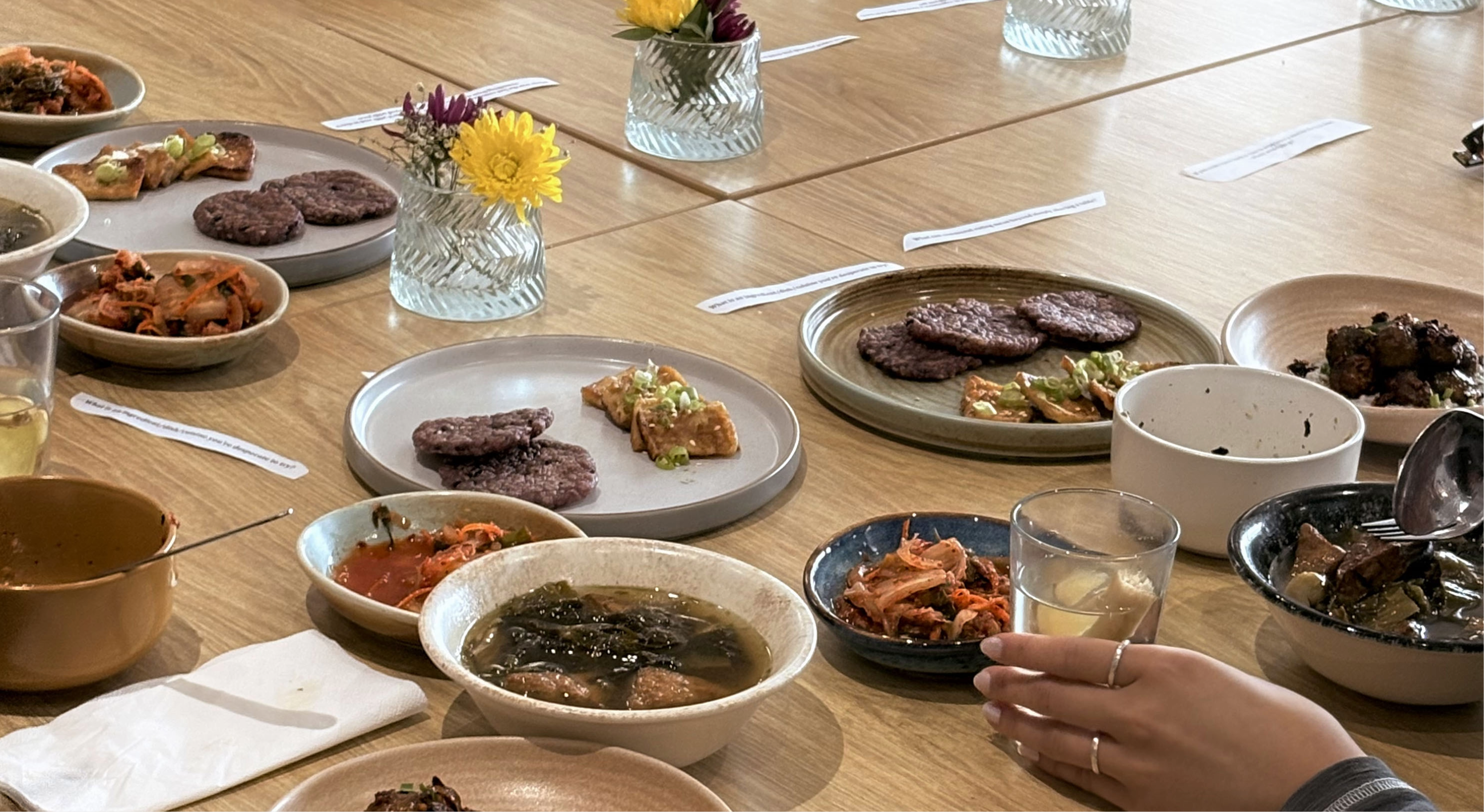
Dining table conversations
Tracey: Much of your work centres on food, shared meals, and the conversations that unfold around them as a way of building connection and community. What does the ‘dining table’ signify for you?
Mika: Our “table talks” fly from topic to topic, staying light, sassy, and funny.
Hyeda: This playful humour lets our zines be a resting place. It’s a conversation, not a lecture. When you talk about something over dinner, some things linger in your mind—like a seed that stuck. You might remember something new, and even look it up later. That's what we want to do.
Nandal: This came up as we were writing for the second zine, and we wanted to talk about the sensitive topic of Korean ‘comfort women’ during the Japanese imperial era. We were worried if it was to be brought up in such a small section [in the zine]. After discussion we decided to keep the topic, because that's the way we communicate—through snippets of conversations that may ignite more.
Panita: Women's cooking and chit-chat like ours was often seen as ‘domestic’ or ‘insignificant’. Food on dinner tables is similarly ephemeral and rarely justified as a valuable means of passing on knowledge, experiences, and wisdom. We focus on the dining table because our magnetism started from there. SPILLLL is built up from a very small community that started from intimate conversations around our table. These moments were so personal but so powerful that we needed to archive and share them.
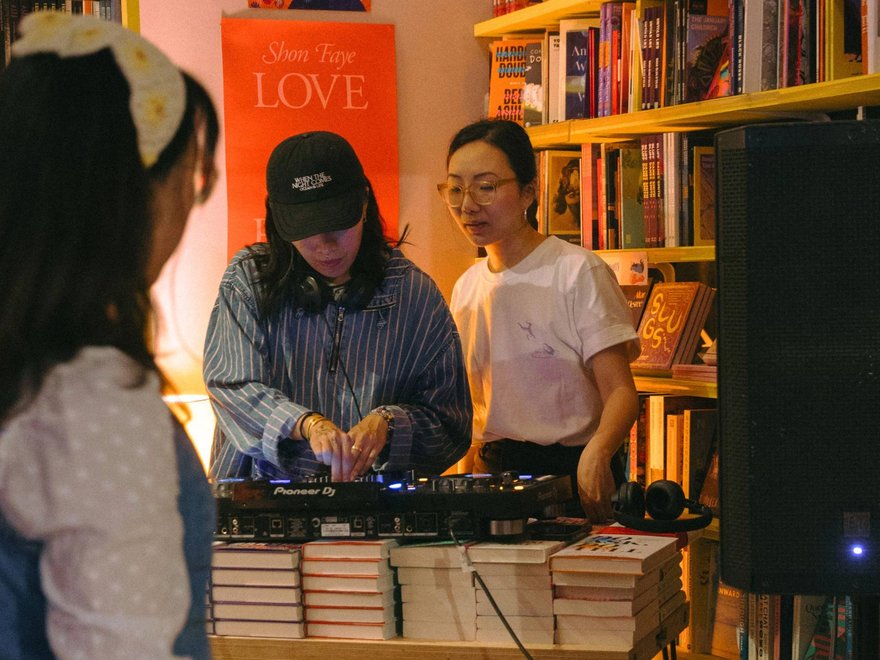
Credit: Narisara Jirojananukun
Fugitive power
Tracey: You’ve talked about how powerful those dining-table conversations were. When you say “powerful,” what kind of power are you talking about, and how does it show up in those moments?
Nandal: Having such specific identities makes you feel disconnected and trivial at first, uncertain if your experiences would resonate with others. I remember the first small magnetism among us that made me think “it’s not just me”, sharing episodes of racism as an Asian woman in London.
Pin: The power for me lies in finding connections that never occurred to me. In considering our positionality as migrants—when I was living in Thailand, I rarely needed to think about the experiences or traumas of these people living right next to my country. Once I came here, and we spoke, I realised that we shared so many connections, experiences, and even angst. Then, I realised that ‘solidarity’ is the key to pushing us forward in the issues that we fight for, such as anti-racism and anti-patriarchy. For me, it was powerful because it was probably the first time that I actually realised its urgency.
Hyeda: Within our home countries, our economic status varies—we’re trying to be careful when we identify ourselves as marginalised—but, it’s significant to have this dynamic in our collective—we are very different, but here we can be a community.
Pin: It's not that the class system disappears, but the situation changes with space. Here, in the UK, we Asians get pushed together.
Nandal: Even within ESEA countries, we have an existing power dynamic, we can be racist to each other, and some of that has been ingrained in us. It's important to recognise that. There's a lot of complexity, but when we're here, we realise we need to join together. We need to fight together. The hardships that we faced became our strength.
Mika: I find power in our ability to come from different backgrounds, schools of thought, and be okay with that. We sit with it, and sometimes agree to disagree. I feel like that's a new form of care and solidarity. Systems like nationalism or patriarchy demand us to become one solid being, but we can resist that by understanding that we have the power to diffuse these boundaries.
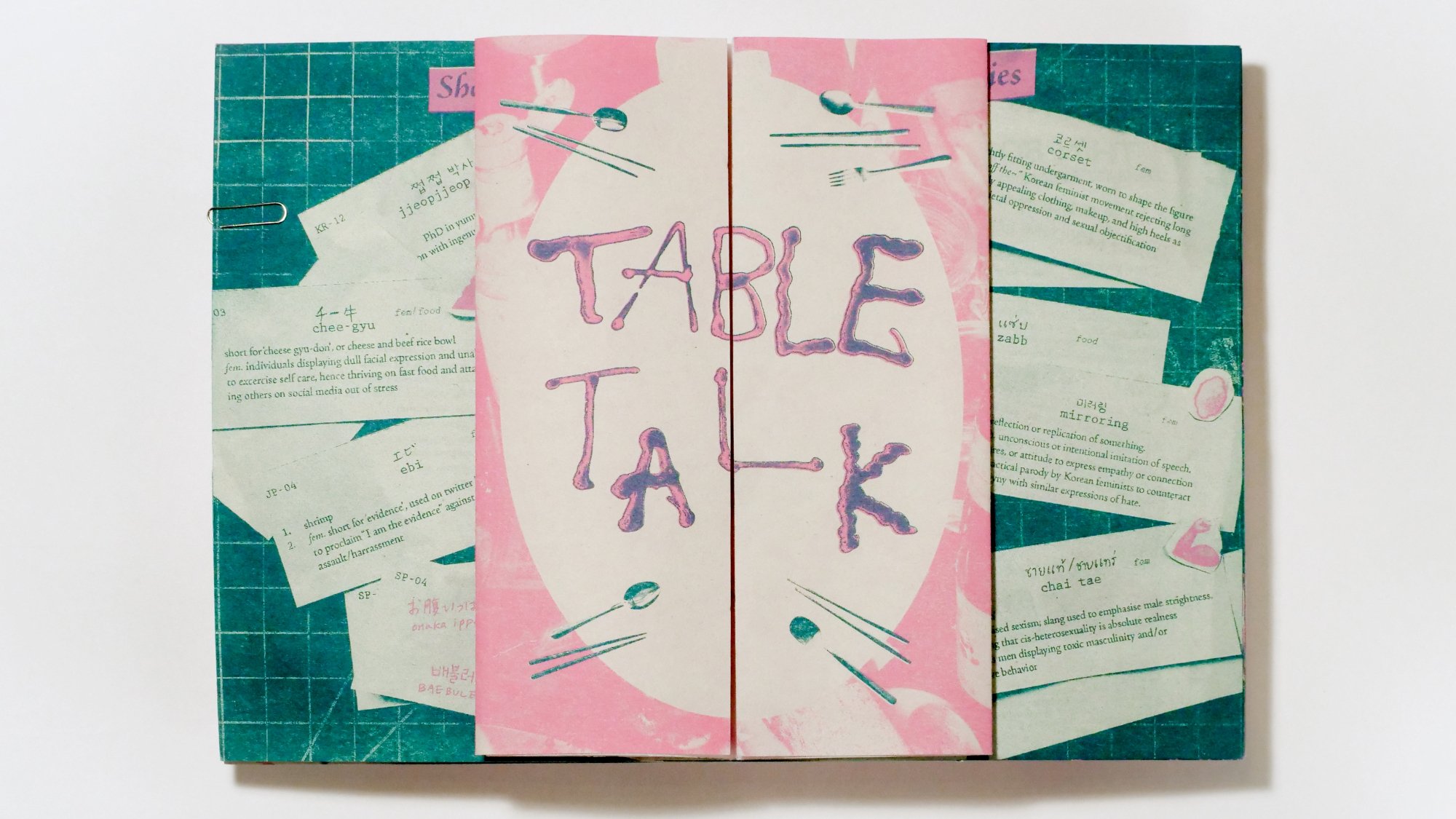
New Proximities
Tracey: It sounds like moving away and coming to London has helped you see connections you didn’t notice when you were closer to home. How is that shift shaping your practice now, and how might that knowledge travel back with you in the future?
Pin: Before coming here, I was working on an activist online media platform in Thailand, and my audience or public was the Thai people. If I were to go back, my audience and focus would be broadened. When I think about movements in my country, I will now start thinking about simultaneous movements in Laos or other neighbouring countries. I want to expand the circle of voices that I listen to.
Mika: Even if we go back to our countries due to visa issues, I feel power in that if I make work in Japan, it could be distributed in Thailand or Korea, and likewise for everyone. Our communities in each country may also connect through us. This is a new way of ‘working together’, and it's interesting that something very physical like zines, are produced and published digitally to bridge these physical distances. It's a new concept of closeness.
Hyeda: I feel like there's just “feminists”, “queers”, “women”, and “people”, separated. I want to intertwine them more. I like our concept of food and the dinner table, because everyone eats dinner. I want everyone to know that this happens around every table. There are so many tables in the world. And these conversations happen every time, everywhere.
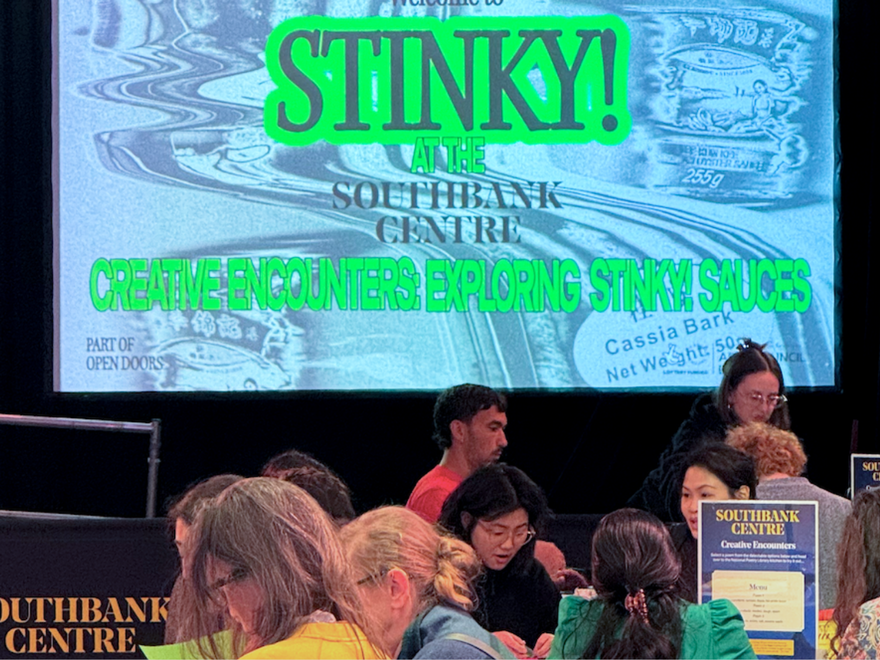
A sensory workshop at Soutbank Centre exploring the tastes of East and South East Asian ‘smelly’ sauces and condiments, hosted by SPILLLL
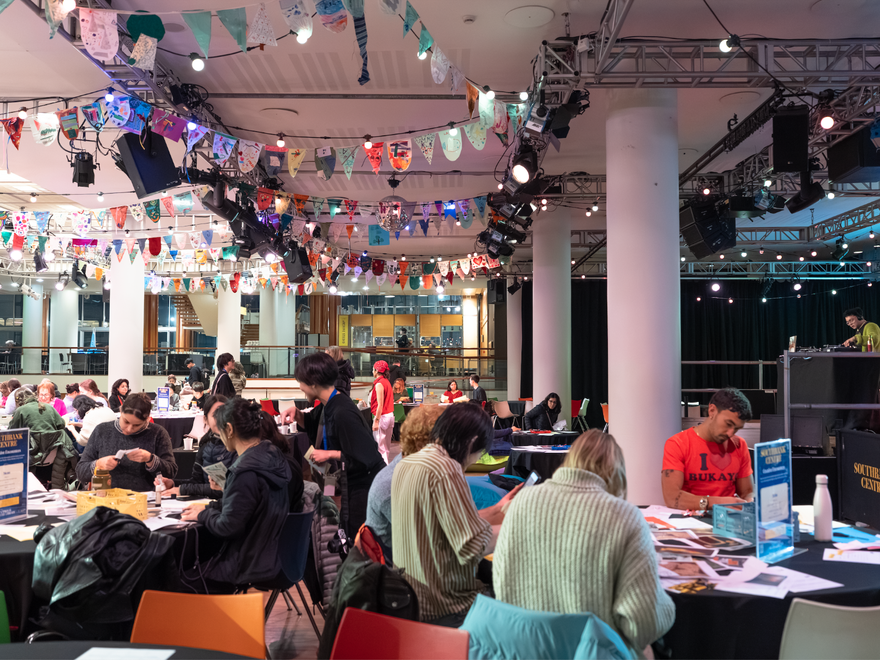
Creative Encounters: Exploring STINKY! Sauces At a workshop led by SPILLLL collective at Southbank Centre
Pin: I think the most privileged thing about being here is that we get to see the possibilities of how and what we could fight for. Back in my country, I didn't realise that there was ‘more’ that I could do. But when I’m outside I get to broaden my vision.
Hyeda: Even being in this library, this space inspires me. When I go back—my visa actually ends in August—this space inspires me to make more zines for children related to feminism and queerness.
I believe that our zine, what we do, could maybe change someone's life. Because last year, I couldn’t speak English that much, and what’s more, I couldn’t speak my thoughts, because I was really afraid if they really wanted to listen to my story. My story is maybe something mundane, especially in this country, because women and queer rights are more progressed in this country. But after making the zine and talking to people, I feel more powerful. I feel that people want to hear about me.
Nandal: Hyeda’s idea about being not important relates to what I feared, being not listened to. The attitude of indifference to differences is what feels like a barrier for me. I think it stems from a belief that one’s experiences are a default of the world. This closed perspective sometimes feels like it’s a door shutting on your face.
Pin: This project started with just us, but we now know that even within the ESEA community, there are more underrepresented stories that we want to listen to. I believe in listening to the personal stories and lived experiences of people. Even recording our small conversations into a zine is an act of archiving.
Food as a methodology
Tracey: Your work brings people to the table, can you tell me more about this?
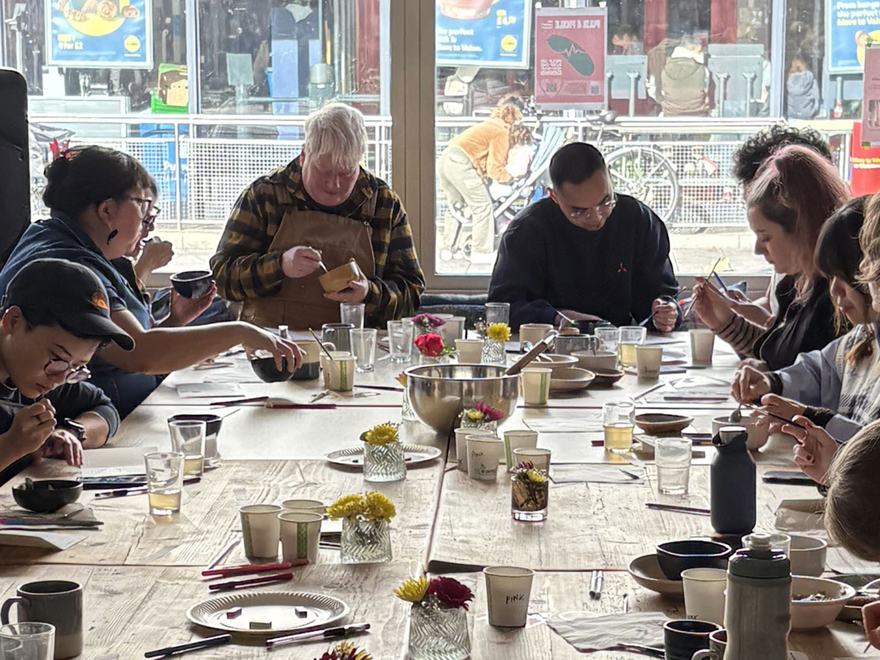
Nandal: Yeah. I think we use food as a methodology, because when you look into it, food is not just food. We talked about how immaterial memories and history come with us as we migrate, and we materialise them in our kitchen, consume them together, sharing food and stories. It's kind of a ritual for us. And for some people who are not used to this part of the story, which is the immigrant, or queer feminist stories, they still get an invitation through food, and might find interest in the conversations.
Pin: To add to that, I think food is very sensory. It contains smell, it contains taste, which brings up memories.
Mika: I think these tactics are also related to democratising, and in a way, are a de-academic approach to a conversation.
Lineage of Conversational Practice
Tracey: This gets to the idea of what a conversational practice can be in graphic design..
Nandal: The term Graphic Design can be intimidating— I’m still scared to call myself a graphic designer!
When I make graphic design work, you feel like you're being inspected by “those eyes”.
Mika: Graphic design used to be a trade, and women have always engaged with it. Graphic design needed a cannon to raise the career’s position, but now too much authority is given to the ‘maestro designer’, with an army to work for them, given all the credit. I still call myself a graphic designer, just to say graphic design doesn't have to be that. We want to weave stories with our communities, with people, with each other, instead of with anyone.
Panita: I think the mainstream graphic design or visual communication we know started in a very Western-centric way. That’s why I think we need to explore its positions in different geo and socio-political contexts. What is the actual significance of visual communication or graphic design for non-Western communities?
Mika: I've come through a Western graphic design education system, but I changed so much through working with SPILLLL. I used to think that grids were important…well, they are... I was working for a ‘maestro’ in Japan.
I thought there were people who could speak because they had the ‘right aesthetics’. It's been life-changing to go through RCA with SPILLLL. My entire view of what graphic design can be has changed.
Mika: For us, you are the first to talk of conversational practice! What we are trying to do has been started by you. This feels so important in this space in the Feminist Library—with all these zines that have fought as we do now. There is a lineage.
Panita: ‘Conversational practice’ was one of the keywords that drew me to this course. Although I’m not sure if I understood it that well, but… it felt right.
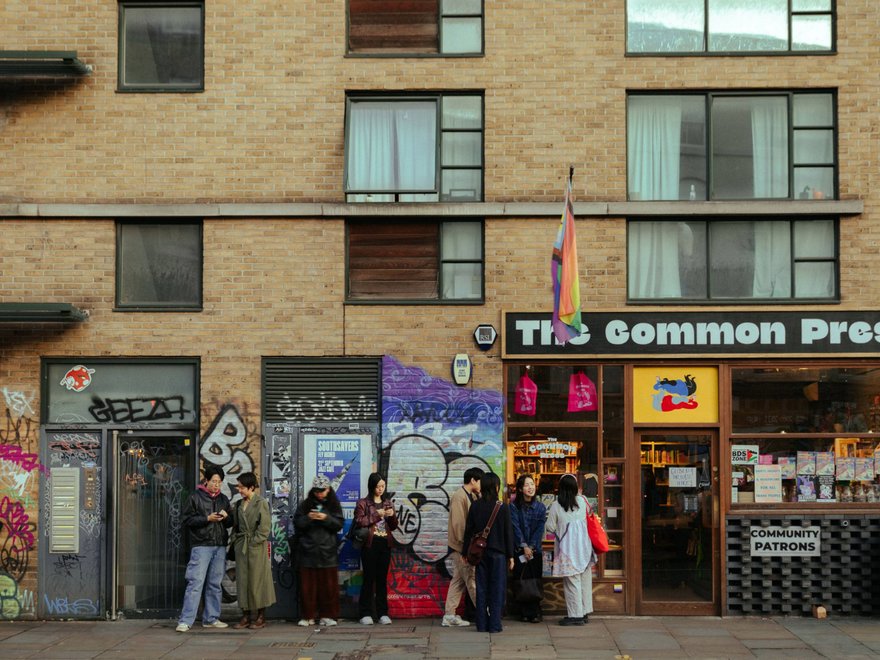
Credit: Narisara Jirojananukun
Tracey: For me Visual Communication as a conversational practice reframes the field from a set of disciplines to a set of relationships. Rather than organising practice around outputs or specialisms, it prioritises how meaning is generated through dialogue, collaboration, and shared authorship. Reframing Visual Communication as a conversational practice offers a different pedagogy principle: one based on being together, listening, responding, and co-producing meaning with others. Conversation here is not metaphorical, but methodological shaping how visual work is researched, taught, made, and circulated. It foregrounds relational processes over singular authorship, collective inquiry over disciplinary silos, and ethical engagement over extraction. I can see how you have responded to this in your work as SPILLLL.
Nandal: As SPILLLL, we’re also navigating tricky, slippery positions.
Tracey: Yes, like the visa issue, that's quite major for you all, right?
Hyeda: Yes, I’ll be leaving soon. We’re already preparing to work together remotely, across time zones.
Tracey: So you've got to set up a way of working around this fragility.
Panita: We expose our fragility, our experiences, through our method of working. It's not only in the outcome. How we work reflects our position in which we are forcefully placed by society.
Mika: This flexibility has a power to it. Because we are used to being pushed around, having to work fluidly, we are positioned to invent and share new systems that work to challenge our current world.
Hyeda: And encourage others to do the same!
Panita: Our process of making is generational as well. We work a lot with current technology or software, but to make zines about our culture. We adopt modern processes to, ironically, preserve the heritage we value as a tool to strike back.
Zines as a tool of resistance
Tracey: So that's a really good segway, to the zine and why we are in the feminist Library?
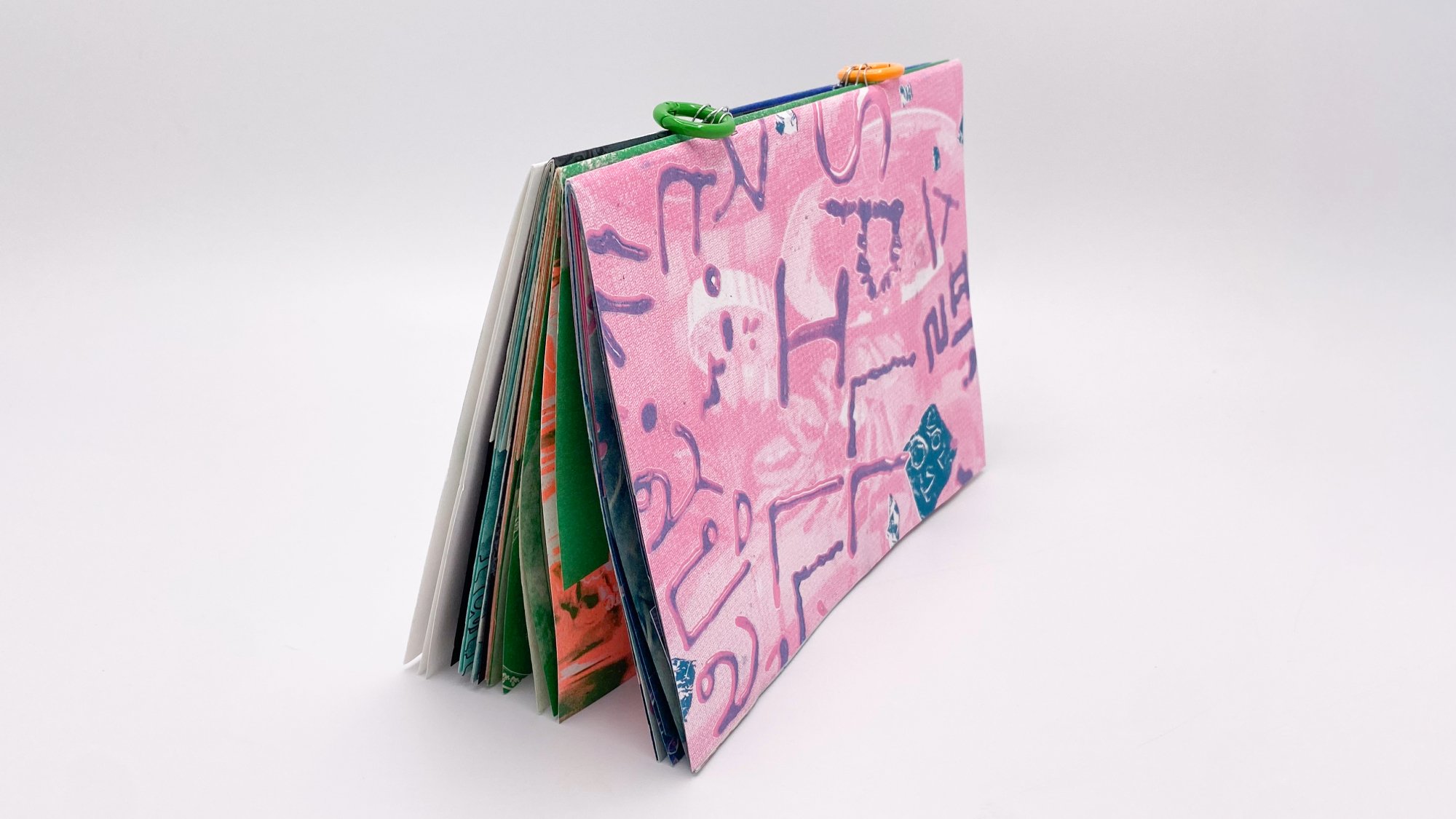
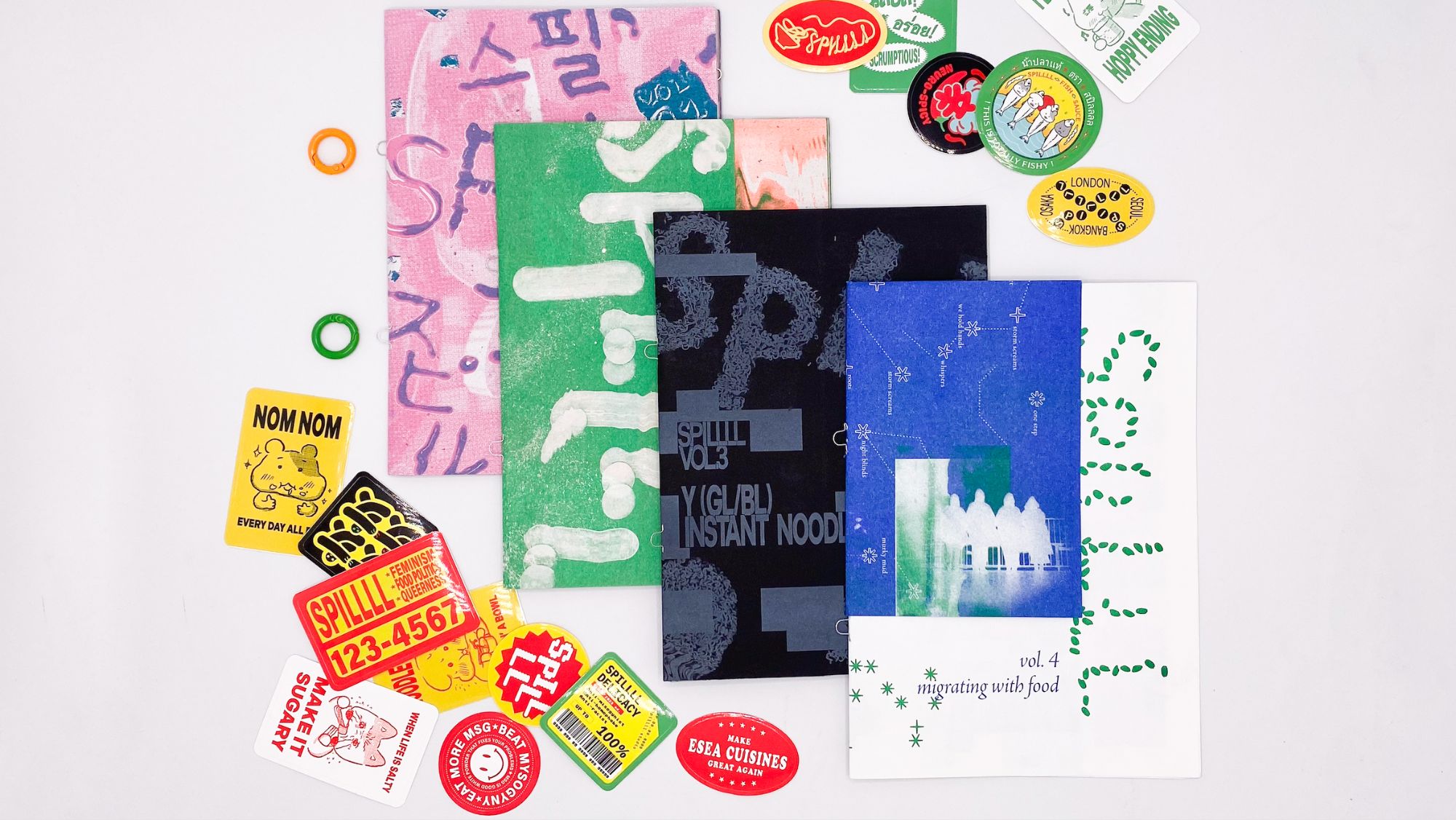
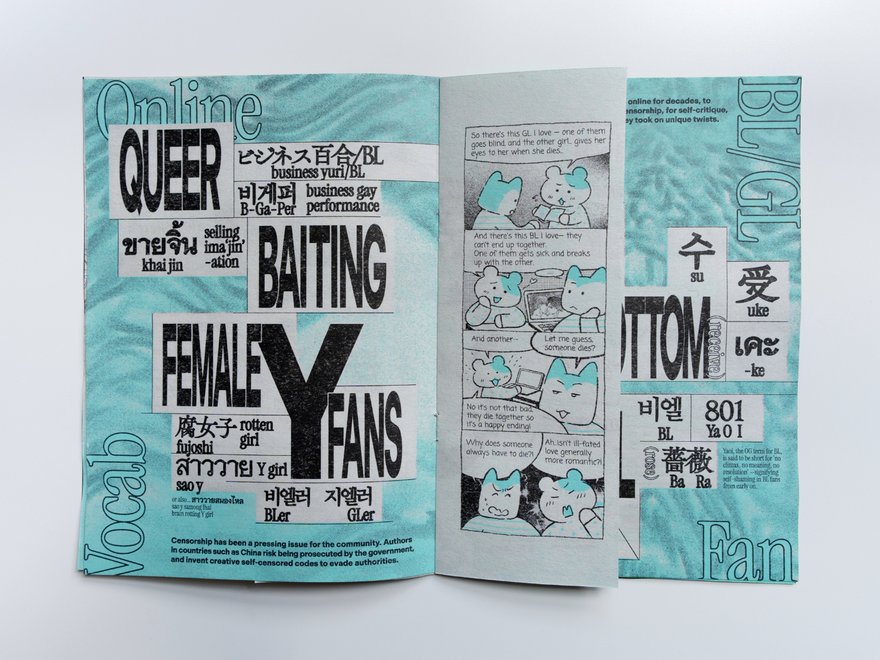
Mika: It's very important that our conversations are recorded as a zine, for us, zines are in between a publication and ephemera. It's documentation, but it's also fleeting.
Pin: Our process of making the zines is mostly online , as we use Figma and other technologies to brainstorm and design. You could say we adopt the benefits of technology to encourage physical communication.
Tracey: The zine feels less like a fixed outcome and more like something that grows out of shared processes — eating together, talking, collecting stories, and letting those conversations settle. Editorial practice seems to allow for slowness and rhythm, making space for voices to sit alongside one another rather than be resolved.
I’m curious about how this carries through into your use of Figma. It’s a tool designed for commercial modes of production, yet you’re using it to work across borders and to build something collective and fluid. Do you think of this as deliberately repurposing or subverting those tools?
Mika: Yes. Can we subvert the techno-oligarchs that insist on reverting our world, by using their tools to build microscopic, amoeba-like networks and systems—small and invisible, but everywhere.
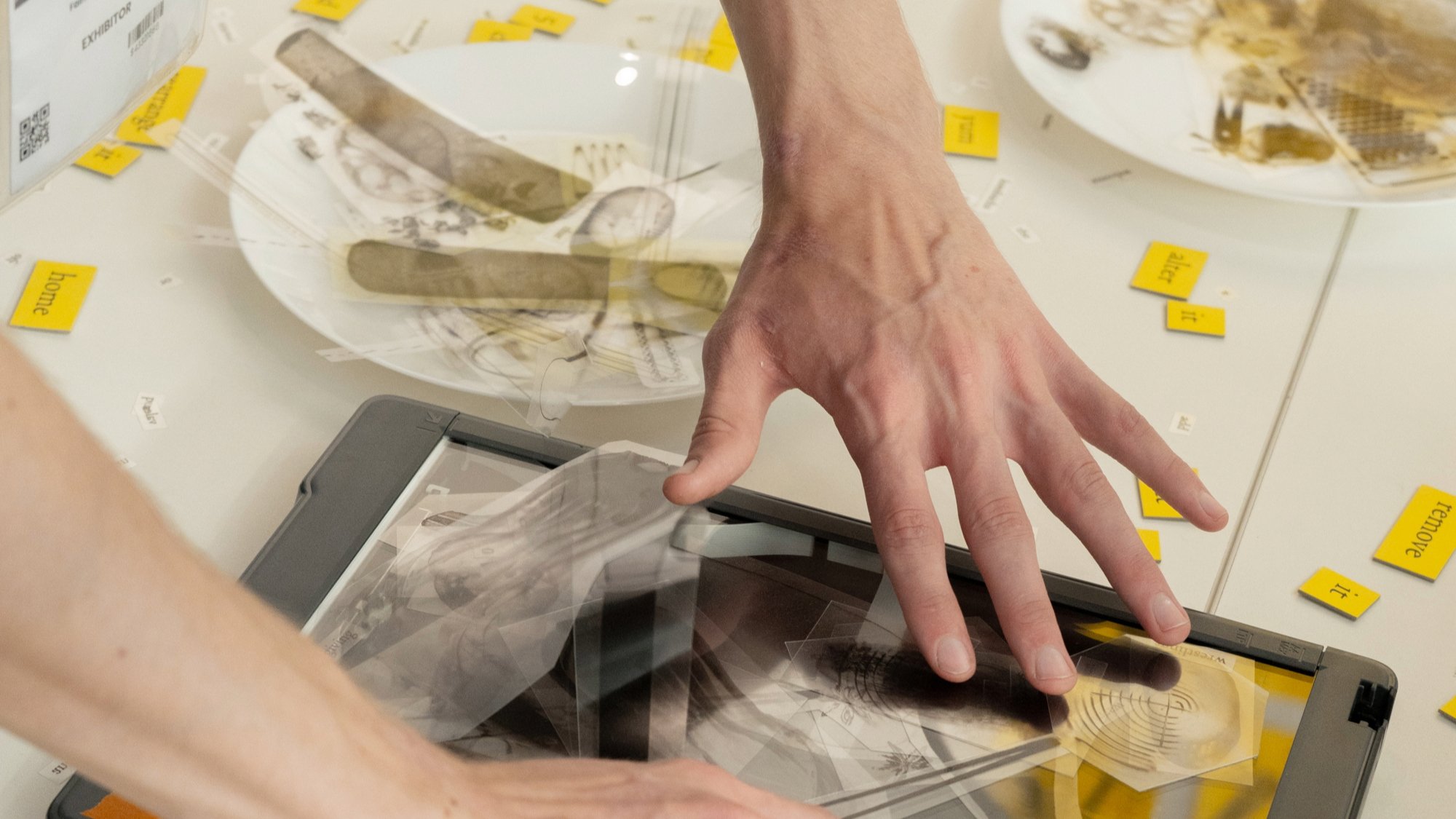
Nandal: While at the RCA, I read Zygmunt Bauman’s <Liquid Modernity>, celebrating “the new lightness and fluidity of the increasingly mobile, slippery, shifty, evasive, and fugitive power”. This is a modern power that defies colonial, patriarchal, binary categorisation through its undefinable slipperiness—and inspired SPILLLL to find our position.
Mika: We imagine ourselves as oozing entities that can spread and migrate to form small communities with thread-like connections, blurring boundaries to form solidarity—embracing our commonalities, differences, and nuances.
Nandal: Making the zine and distributing—starting to have responses, seeing our zines in bookshops, winning the grant, doing workshops with Queer East and Museum of the Home... And finding more of our people and sharing these conversations; that’s what keeps us going.
Hyda: And the fact that we’re doing this together—as a four.
Panita: It's vital to work with people you trust and believe in. It's so much easier to do this together.
Tracey: That sense of doing this together feels like a really fitting place to end.